Waking up to a red, angry pimple is never a good start to the day. While the urge to pick or pop is strong, the real goal should be calming that inflammation without harsh chemicals. Fortunately, you don't need a medicine cabinet full of prescriptions to see results. Research points to several natural, kitchen-friendly ingredients that can help soothe acne flare-ups and reduce redness.
Below, we break down six home remedies that have scientific backing for their anti-inflammatory effects on acne. Remember, consistency matters more than intensity. Start with one or two options and see how your skin responds.
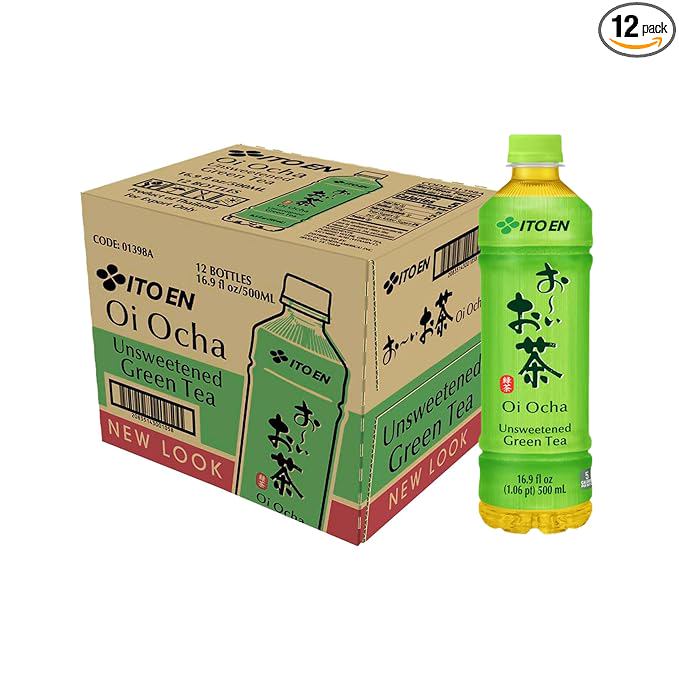
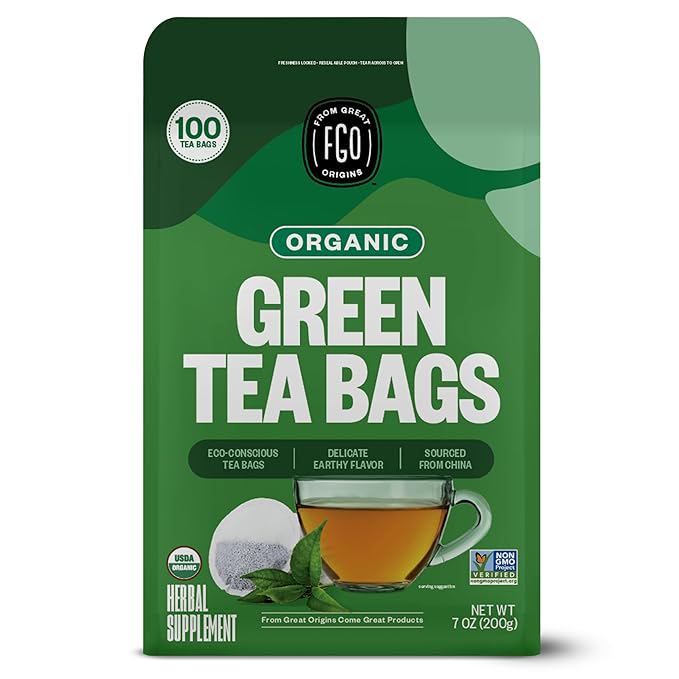
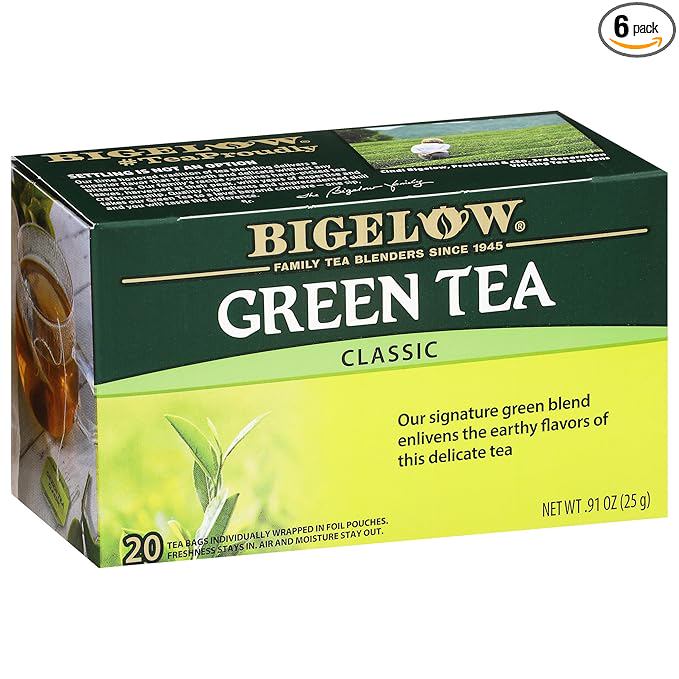
1. Green Tea: A Cool Compress of Antioxidants
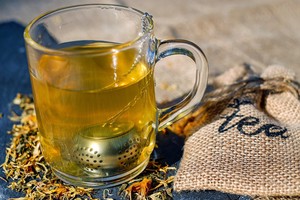
Green tea is rich in polyphenols called catechins, which are powerful antioxidants. When applied topically, green tea can help reduce sebum production and calm inflammation.
To use it: Steep a green tea bag in hot water, then refrigerate it until cold. Place the bag directly on the inflamed area for 10–15 minutes. The cool temperature helps with redness while the catechins work to calm the skin.
Tip: Avoid using green tea if you have very sensitive or dry skin, as the tannins can be mildly astringent.
2. Aloe Vera: The Cooling Healer
Aloe vera gel is a classic remedy for burns, but its anti-inflammatory and antimicrobial properties also make it a solid choice for acne. A 2014 study found that aloe vera combined with topical tretinoin was more effective at reducing acne lesions than tretinoin alone.
Use fresh gel straight from the leaf (or a pure, fragrance-free store-bought gel) and apply it as a thin layer over clean skin. Leave it on for 20 minutes before rinsing. It hydrates without clogging pores and helps reduce redness.
3. Honey: A Gentle Antimicrobial
Raw honey, especially Manuka honey, has natural antibacterial and anti-inflammatory properties. It can help soothe irritated skin while drawing out excess fluid from pustules.
Apply a small dab of raw honey directly onto the inflamed spot and leave it for 10–15 minutes. Rinse with lukewarm water. For a DIY mask, mix a teaspoon of honey with a pinch of cinnamon (another anti-inflammatory spice), but be cautious—cinnamon can cause irritation for some people. Stick to honey alone if you have sensitive skin.
4. Ice: Simple Vasoconstriction
Ice isn't a treatment for the root cause of acne, but it's one of the fastest ways to reduce visible inflammation. The cold temperature constricts blood vessels, which reduces redness and swelling temporarily.
Wrap a clean ice cube in a soft cloth (never apply ice directly to skin) and hold it against the pimple for 1–2 minutes at a time. Repeat 2–3 times a day. This works best on fresh, angry pimples before they've fully formed a head.
Avoid this if you have broken skin or open sores, as extreme cold can worsen tissue damage.
5. Oatmeal: A Soothing Colloidal Mask
Colloidal oatmeal (finely ground oats) is approved by the FDA as a skin protectant. It contains avenanthramides, which are anti-inflammatory compounds that can soothe itching and redness associated with acne.
Mix two tablespoons of plain, unflavored oatmeal with warm water to form a paste. Apply it to the inflamed areas and leave on for 15–20 minutes. Rinse gently. This is particularly good for people with sensitive skin or those dealing with acne accompanied by irritation from other treatments.
Use plain oats—avoid instant oatmeal packets that contain sugar or flavorings.
6. Tea Tree Oil: A Potent Essential Oil
Tea tree oil is one of the most well-researched natural remedies for acne. A study comparing 5% tea tree oil gel to 5% benzoyl peroxide lotion found that tea tree oil worked slower but caused fewer side effects like dryness and irritation.
Because tea tree oil is very strong, you must dilute it. Mix 1–2 drops of tea tree oil with 12 drops of a carrier oil (like jojoba or coconut oil) before dabbing it onto the pimple with a cotton swab. Use only on active spots, not as an all-over treatment.
Warning: Undiluted tea tree oil can cause chemical burns or severe allergic reactions. Always patch test on your inner arm first.
When to Skip Home Remedies and See a Dermatologist
These natural options work well for mild to moderate inflammatory acne. However, if you have large, painful cysts, deep nodules, or acne that covers large areas of your face, back, or chest, a dermatologist can offer stronger options like prescription retinoids, antibiotics, or professional chemical peels.
Also stop using any natural remedy if you notice increased redness, swelling, or pain at the application site—this could indicate an allergic reaction or contact dermatitis.