You’ve just finished a solid strength session. Your muscles feel that familiar, deep fatigue—the good kind that signals real work was done. Now, the most critical part of your workout begins: recovery. What you eat in the hours after lifting isn't just about quenching hunger; it's the raw material your body uses to repair the microscopic tears in muscle fibers, making them stronger and more resilient for next time.
Protein is the cornerstone of this process. It provides the amino acids that act as building blocks for muscle protein synthesis. Pairing it with some smart carbohydrates helps replenish energy stores and can even enhance the uptake of those amino acids. The goal is simple: give your body what it needs, in a form that’s satisfying and easy to prepare, especially when you're tired and just want to refuel.
What makes a meal ideal for recovery?
Think of your post-lift plate as having two primary jobs. First, it needs to supply high-quality protein—aim for 20 to 40 grams, depending on your size and the intensity of your session. Second, it should include a source of carbohydrates. This isn't just about energy; carbs trigger an insulin response that helps shuttle amino acids into your muscles more efficiently. A bit of healthy fat is fine, but it’s the protein-carb combo that takes priority in the immediate recovery window.
These ideas focus on whole foods, balanced nutrition, and practicality. They’re meals, not clinical prescriptions—meant to be enjoyed as much as they are to be functional.
1. The Classic: Herb-Roasted Chicken with Sweet Potato & Greens
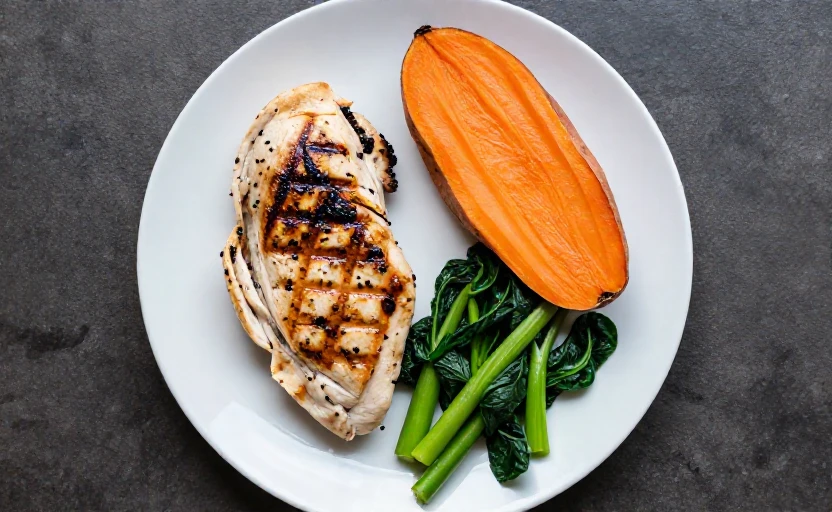
Sometimes, the classics endure for a reason. A palm-sized portion of chicken breast provides a lean, complete protein hit. Roasting it with rosemary, thyme, and a touch of garlic transforms it from plain to flavorful with minimal effort.
Pair it with a medium roasted sweet potato. Its complex carbohydrates digest steadily, and it’s rich in beta-carotene. Add a large handful of steamed broccoli or sautéed spinach. These greens aren’t just filler; they offer micronutrients like magnesium and vitamin C, which play supporting roles in muscle function and repair.
Tip: Cook extra chicken to slice for tomorrow’s lunch salad, making recovery a multi-meal effort.
2. The Quick Fix: Cottage Cheese Bowl with Berries & Nuts
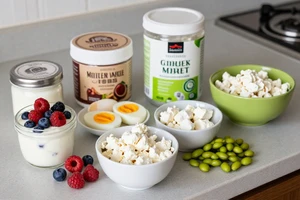
When time or energy is short, this bowl is a powerhouse. One cup of full-fat or low-fat cottage cheese can deliver 25 grams of slow-digesting casein protein, providing a steady stream of amino acids for hours.
Top it with a half-cup of mixed berries (fresh or frozen) for antioxidants and a gentle carb boost, and a tablespoon of chopped almonds or walnuts for crunch and healthy fats. The contrast of creamy, tart, and crunchy makes it far from a boring “diet” food.
Why cottage cheese works so well
Its casein protein forms a gel in the stomach, leading to a slower, more prolonged release of amino acids compared to fast-absorbing whey. This makes it an excellent choice for sustained recovery, especially if eaten in the evening after a late workout.
3. The Plant-Powered Option: Lentil & Quinoa Power Bowl
For a robust vegan or vegetarian recovery meal, combine complementary plant proteins. One cup of cooked lentils offers about 18 grams of protein and is packed with fiber and iron. Mix it with three-quarters of a cup of cooked quinoa—a complete protein itself—to round out the amino acid profile.
Drizzle with a simple tahini-lemon sauce (tahini is made from sesame seeds, offering healthy fats and a bit more protein) and pile on roasted vegetables like bell peppers and zucchini. The complex carbs from both the lentils and quinoa replenish glycogen beautifully.
4. The Comfort Food: Lean Beef Chili with Beans
Recovery food doesn’t have to feel ascetic. A hearty chili made with 93% lean ground beef, kidney beans, diced tomatoes, and spices is a warm, satisfying way to meet your needs. The beef provides highly bioavailable iron and zinc, minerals crucial for oxygen transport and immune function—both taxed during heavy training.
The beans add extra fiber, plant-based protein, and carbohydrates. Make a large pot on a day off; the flavor improves overnight, and having it ready in the fridge removes all post-workout decision fatigue.
5. The No-Cook Solution: Canned Tuna Salad Wraps
For days when turning on the stove feels like too much, keep your pantry stocked. One can of tuna in water (drained) provides over 20 grams of protein. Mix it with a tablespoon of Greek yogurt or avocado instead of heavy mayo for creaminess, add some diced celery and onion for crunch, and a squeeze of lemon.
Scoop it into whole-grain wraps or large lettuce leaves, and add a side of baby carrots or an apple. It’s a light yet potent meal that comes together in five minutes flat.
A note on mercury: For most adults, eating a variety of fish like tuna a few times a week is considered safe and beneficial. If you have specific concerns, consult a healthcare provider.
6. The Breakfast-for-Dinner Favorite: Scrambled Eggs with Avocado Toast
Don’t relegate eggs to the morning. Scramble three whole eggs with a handful of spinach. Using the whole egg gives you the full spectrum of nutrients, including choline from the yolk, which supports cellular health.
Serve alongside one or two slices of whole-grain toast topped with mashed avocado. This gives you the perfect recovery combo: high-quality protein from the eggs and quality carbs plus healthy fats from the avocado toast. It’s simple, nourishing, and universally appealing.
Listening to your body’s signals
While these templates are designed to hit the recovery benchmarks, they’re not rigid formulas. Your appetite will vary with your training load, stress, and sleep. Some days you might crave the hearty chili; other days, the light tuna wrap will feel right. Trust that hunger cue. The consistency of providing your body with quality nutrition after effort matters more than perfection in any single meal.
Hydration, too, is a silent partner in this process. Muscle tissue is about 75% water, and even mild dehydration can impede repair. Drink water consistently throughout the day, not just during your workout.
Ultimately, post-workout nutrition is an act of support for the work you’ve done. It’s the practical, tangible way you build resilience from one session to the next. By choosing meals that are as enjoyable as they are effective, you turn recovery from a chore into a rewarding part of your fitness journey.