
Dark circles under the eyes are one of those complaints that just about everyone has had at some point. While late nights and screen fatigue certainly play a role, your diet is often the missing puzzle piece. Nutritionists point out that certain foods, rich in specific vitamins and antioxidants, can help strengthen the delicate under-eye area, improve circulation, and reduce pigmentation over time. Instead of layering on more concealer, consider adding these six evidence-backed foods to your plate.
What causes dark circles in the first place?
To understand how food can help, it helps to know what you're up against. Dark circles can stem from a few different issues: thinning skin that makes blood vessels more visible, poor blood circulation causing a bluish tint, or melanin production leading to brownish discoloration. Allergies, dehydration, and a lack of key nutrients like iron and vitamin K can worsen the appearance. That's where targeted nutrition comes in—certain foods address these root causes from the inside out.
1. Foods rich in vitamin C: citrus, bell peppers, and strawberries
Vitamin C is a powerhouse for collagen production. Collagen is the structural protein that keeps the skin under your eyes plump and firm—when it breaks down, the skin becomes thinner and more translucent, making dark blood vessels more apparent. "Vitamin C also acts as an antioxidant that protects against UV damage and environmental stress," says registered dietitian Sarah Thompson. A handful of strawberries with breakfast or a side of bell peppers at lunch can make a real difference over time.
2. Iron-rich foods: spinach, lentils, and lean red meat
If the skin under your eyes looks more blue or purple than brown, iron deficiency might be at play. Low iron levels reduce the oxygen-carrying capacity of your blood, which can cause the blood vessels under the thin eye skin to appear darker. "Dark circles are often one of the first visible signs of low iron in women," notes nutritionist Rachel Kim. Adding moderate portions of lean red meat, lentils, dark leafy greens, or fortified cereals can help restore healthy levels. Pair them with a vitamin C source to boost iron absorption.
3. Vitamin K sources: broccoli, Brussels sprouts, and kale
Vitamin K is less talked about in skincare, but it plays a critical role in blood clotting and circulation. Poor circulation can cause blood to pool under the eyes, making dark circles worse. "Vitamin K helps improve blood vessel integrity and reduces the appearance of bruising and pooling," explains integrative nutritionist Dr. Amara Patel. Broccoli, Brussels sprouts, kale, and fermented foods like natto are excellent natural sources.
4. Antioxidant-packed berries: blueberries, blackberries, and goji berries
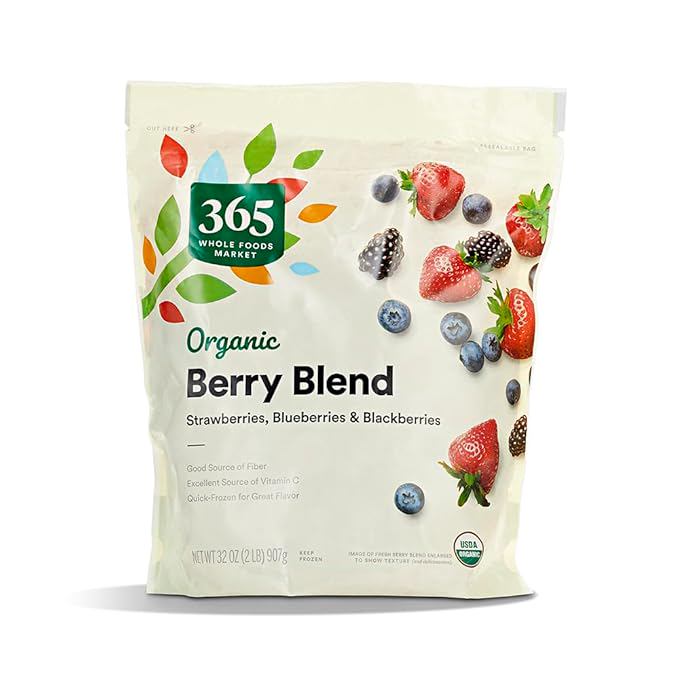
Antioxidants fight oxidative stress, which accelerates skin aging and weakens the delicate capillaries under the eyes. Berries are loaded with anthocyanins and flavonoids that strengthen capillary walls and improve microcirculation. "When capillaries are fragile, they leak small amounts of blood into the surrounding tissue—that shows up as dark discoloration," says dietitian Mark Chang. A daily handful of mixed berries supports the vascular health of the eye area.
5. Hydrating foods: cucumber, watermelon, and celery
Dehydration makes the skin under your eyes look sunken and accentuates shadowing. The skin here is among the thinnest on your body, so even mild fluid loss shows. "Hydration doesn't just come from water—water-rich foods provide electrolytes and phytonutrients that help the skin retain moisture," says hydration researcher Dr. Lisa Tran. Cucumbers, watermelon, celery, and zucchini are over 90% water and support a plump, less shadowed appearance.
6. Omega-3 fatty acids: salmon, walnuts, and flaxseeds
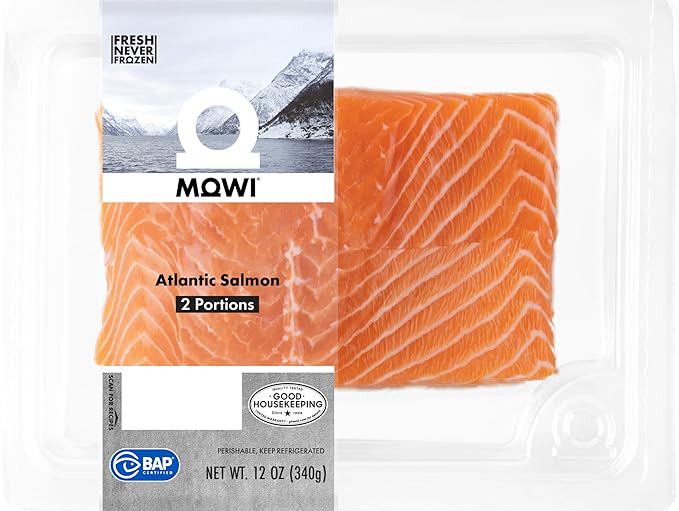
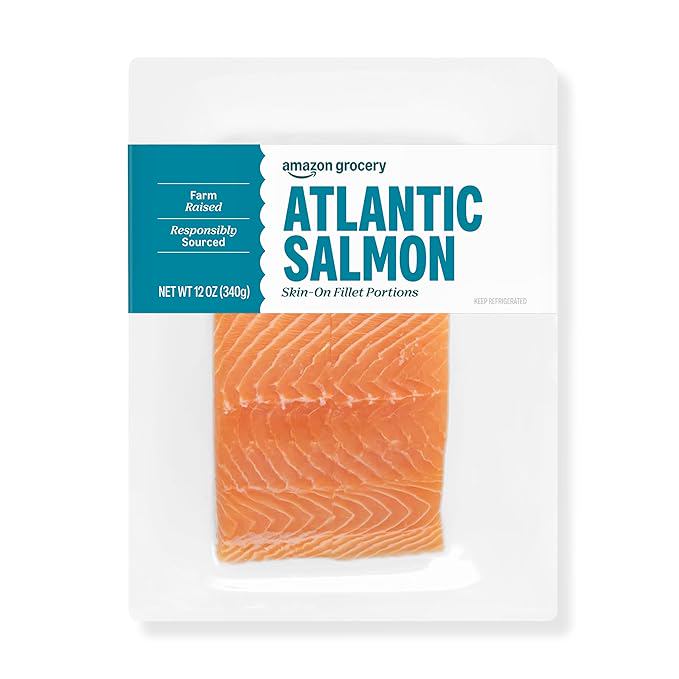
Inflammation can worsen dark circles, especially if they're linked to allergies or sinus congestion. Omega-3 fatty acids are potent anti-inflammatory compounds that reduce swelling and improve blood flow. "Omega-3s also help maintain the skin's lipid barrier, which keeps the under-eye area moist and less prone to irritation," adds nutritionist Rachel Kim. Wild salmon, walnuts, chia seeds, and flaxseeds are easy additions to salads, oatmeal, or smoothies.
Keep in mind: Results aren't instant. While these foods support skin health, it typically takes several weeks of consistent eating to see visible change. Dark circles caused by genetics or structural thinning may not fully resolve with diet alone.
Putting it together: a sample day of circle-fighting meals
Breakfast: Greek yogurt with blueberries, strawberries, and a tablespoon of ground flaxseeds. Lunch: Spinach salad with grilled salmon, bell peppers, and a lemon vinaigrette. Dinner: Lentil soup with a side of roasted Brussels sprouts. Snack: Cucumber slices with hummus or a small handful of walnuts. You don't need to overhaul your entire kitchen—just start adding one or two of these foods each day.
When to see a professional
If dark circles persist despite dietary changes and adequate sleep, it may be worth checking your iron and vitamin levels with a doctor. Some causes—like seasonal allergies, eczema, or structural pigmentation—require targeted treatment beyond food. Always consult a healthcare provider before starting new supplements or making significant dietary shifts.