
Dark circles and puffiness under the eyes are one of the first places many of us notice fatigue or the passage of time. While topical creams and concealers can help, what you put on your plate may play an even bigger role. The skin around the eyes is thin and delicate, making it particularly vulnerable to nutritional deficiencies, dehydration, and inflammation. Here are six foods, backed by nutritional science, that can help support brighter, more rested-looking under-eyes.
1. Wild salmon for omega-3s and astaxanthin
Salmon is a standout for skin health because it delivers a double hit of anti-inflammatory compounds. The omega-3 fatty acids EPA and DHA help strengthen cell membranes, which can reduce fluid retention and puffiness. Meanwhile, the pink pigment in wild salmon comes from astaxanthin, a potent antioxidant that protects skin from UV damage and may improve elasticity. Eating two to three servings of wild salmon per week can help calm inflammation that worsens dark circles and sagging.
2. Dark leafy greens for vitamin K and iron
Spinach, kale, and Swiss chard are rich in vitamin K, a nutrient that plays a direct role in blood clotting and circulation. In the context of under-eyes, vitamin K helps strengthen capillary walls, reducing the appearance of visible blue or purple blood vessels that contribute to dark circles. These greens are also excellent sources of iron. Iron-deficiency anemia is a common cause of under-eye darkness, particularly in women. Pairing greens with vitamin C (like a squeeze of lemon) boosts iron absorption.
3. Red bell peppers for vitamin C
One medium red bell pepper contains more vitamin C than an orange. Vitamin C is essential for collagen synthesis, which keeps the skin under your eyes firm and plump. When collagen breaks down due to aging or sun exposure, the skin becomes thinner and more translucent, making dark blood vessels more visible. Regular intake of vitamin C helps maintain skin thickness and reduces the hollow appearance that often shadows the under-eye area.
“You can’t spot-treat with food, but a diet rich in anti-inflammatory nutrients will show up in the skin everywhere — including the delicate eye area.” — Dr. Whitney Bowe, board-certified dermatologist
4. Blueberries and other dark berries
Blueberries, blackberries, and acai are packed with anthocyanins — the compounds that give them their deep color. These antioxidants strengthen capillaries and reduce leakage of blood into surrounding tissues, which can cause dark circles and puffiness. A 2016 review in the journal Nutrients noted that dietary anthocyanins improve microcirculation, which may help the under-eye area appear brighter. Aim for at least a half-cup of berries daily, fresh or frozen.
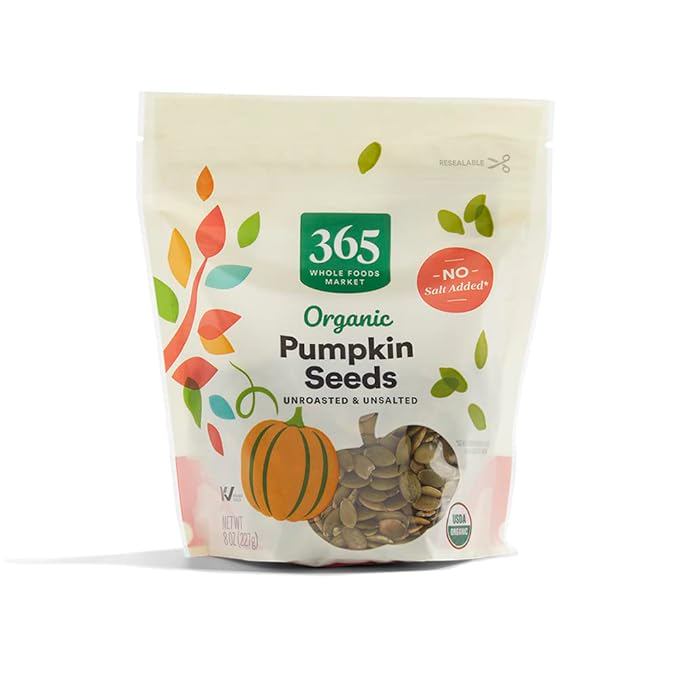
5. Pumpkin seeds for zinc and copper
These tiny seeds are surprisingly rich in zinc, a mineral that supports skin repair and reduces inflammation. Zinc deficiency is linked to slower wound healing and increased skin fragility, which can exacerbate under-eye bags and shadows. Pumpkin seeds also provide copper, which works with zinc to produce melanin — an important factor if your dark circles have a brownish or hyperpigmented tone. Snack on a handful of unsalted pumpkin seeds or add them to oatmeal and salads.
6. Watermelon for hydration and lycopene
Dehydration makes the under-eye area look sunken and dull. Watermelon is about 92% water, making it an excellent hydrating food, but it also supplies lycopene, a carotenoid antioxidant that protects skin from oxidative stress. Chronic dehydration thins the skin and accentuates fine lines and dark circles. Eating water-rich fruits and vegetables throughout the day helps maintain skin plumpness and a luminous appearance.
How these foods work together
No single food will erase dark circles overnight. But a pattern of eating that consistently delivers vitamins K, C, zinc, copper, omega-3s, and hydration steps in two ways: it reduces the inflammation that causes puffiness and strengthens the blood vessel walls and collagen that keep the under-eye area smooth and opaque. Over several weeks, this nutritional approach can gradually brighten the eye area from the inside out.
What to limit
Equally important is what you avoid. Excessive sodium leads to fluid retention and puffiness. Alcohol and caffeine can dehydrate the skin. And a diet high in sugar promotes glycation, which damages collagen and elastin. Pairing the foods above with adequate sleep and sun protection will maximize your results.