
Menopause brings a cascade of changes, and for many women, vaginal discomfort—dryness, thinning tissue, or a shift in pH—becomes a daily annoyance. While these symptoms are common, they’re not something you have to just “live with.” What you put on your plate can make a real difference. Estrogen levels drop during menopause, which affects the vaginal lining and its ability to stay lubricated and resilient. The right foods can help support healthy tissue, maintain a balanced microbiome, and ease inflammation.
Here are six evidence-backed foods that target vaginal health and menopausal comfort directly—no gimmicks, just thoughtful nutrition.
1. Fermented Foods for a Healthy Microbiome
Think yogurt, kefir, sauerkraut, kimchi, and kombucha. These foods are packed with probiotics—live bacteria that help maintain a balanced vaginal flora. A healthy vaginal microbiome is dominated by Lactobacillus species, which produce lactic acid and keep the pH around 3.8–4.5. During menopause, declining estrogen can reduce these protective bacteria, making the vagina more prone to dryness, irritation, and infections. Eating fermented foods daily can help replenish beneficial bacteria, support immune function, and reduce inflammation locally. One study in Maturitas found that women who consumed probiotic-rich yogurt regularly reported less vaginal discomfort and fewer recurrent urinary tract infections. Aim for a serving of unsweetened yogurt or a few tablespoons of sauerkraut with lunch.
2. Flaxseeds for Natural Estrogen Support
Flaxseeds are one of the richest sources of lignans, a type of phytoestrogen that can mildly mimic estrogen in the body. For women whose estrogen levels have dropped, this gentle boost may help maintain vaginal moisture and elasticity. A 2020 review in Phytotherapy Research noted that flaxseed intake was associated with improved vaginal health scores in postmenopausal women. The seeds are also high in fiber and omega-3s, which help regulate hormones and combat systemic inflammation. Grind them fresh (whole seeds pass through undigested) and sprinkle a tablespoon on oatmeal, smoothies, or salads. Start small to allow your digestion to adjust.
3. Oats and Whole Grains for Steady Blood Sugar
It might not be the first thing you think of, but blood sugar swings can worsen hot flashes and energy crashes—and indirectly affect vaginal health. When blood sugar spikes and drops rapidly, it stresses the adrenal glands, which are already working overtime during menopause to produce small amounts of estrogen. Whole grains like oats, brown rice, quinoa, and barley release glucose slowly, keeping energy even and reducing the frequency of vasomotor symptoms. More stable blood sugar also supports a healthier vaginal lining by minimizing oxidative stress. A 2019 study from the Journal of the Academy of Nutrition and Dietetics found that women who ate at least three servings of whole grains daily reported 20% fewer moderate-to-severe hot flashes. Swap white bread for whole-grain toast, and make overnight oats your go-to breakfast.
4. Sweet Potatoes and Beta-Carotene-Rich Vegetables
Sweet potatoes, carrots, pumpkin, and leafy greens like kale are loaded with beta-carotene, which the body converts to vitamin A. Vitamin A is essential for maintaining skin and mucous membrane health—including the vaginal lining. After menopause, this tissue can become thin and fragile due to low estrogen; vitamin A helps renew epithelial cells and supports moisture retention. A deficiency in vitamin A is linked to a higher risk of atrophic vaginitis, a common menopausal condition. Sweet potatoes are also a great source of vitamin C and fiber, which support collagen production and hormone clearance. Roast them as a side dish or mash them into soups for an easy nutrient boost.
5. Fatty Fish for Anti-Inflammatory Omega-3s
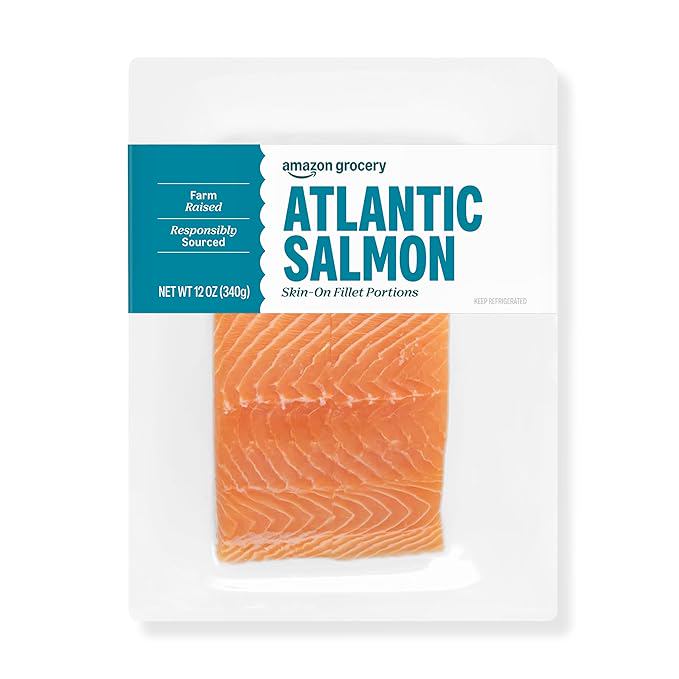
Salmon, mackerel, sardines, trout, and herring are rich in the omega-3 fatty acids EPA and DHA, which are powerful anti-inflammatory agents. Menopause is a state of low-grade systemic inflammation, and chronic inflammation can worsen vaginal dryness, pain, and irritation. Omega-3s help regulate the body’s inflammatory response, improve blood flow to pelvic tissues, and support nerve health. A 2016 randomized controlled trial in Menopause found that women who took fish oil supplements for 12 weeks reported significantly less vaginal dryness and improved sexual function compared to a placebo. While supplements are an option, eating two servings of fatty fish per week provides the real-food matrix of nutrients—plus protein for tissue repair. If you’re vegetarian, consider walnuts, chia seeds, or algae-based omega-3s.
6. Soy Foods for Gentle Phytoestrogen Support
Edamame, tofu, tempeh, and fortified soy milk contain isoflavones—another class of phytoestrogens that bind to estrogen receptors in the body. In the vaginal tissue, isoflavones can help stimulate the production of glycogen, which feeds healthy bacteria and maintains a normal pH. Clinical research suggests that women who consume soy regularly experience less vaginal atrophy and fewer hot flashes. A 2021 meta-analysis in Phytomedicine concluded that soy isoflavones significantly improved vaginal maturation index (a measure of epithelial cell health) in postmenopausal women. The key is consistency: about one to two servings of whole soy foods per day. Avoid highly processed soy protein isolates or concentrated isoflavone supplements unless discussed with a healthcare provider, as the whole-food form is more balanced.
Putting It Into Practice
You don’t need to overhaul your entire diet overnight. Start by adding one or two of these foods to your weekly routine—perhaps a plain yogurt bowl with ground flaxseeds for breakfast, or a salmon filet with roasted sweet potatoes for dinner. Over time, small changes compound into meaningful relief. Remember, hydration matters too: aim for eight cups of water daily, as vaginal tissue needs internal moisture to stay pliable. If symptoms persist, a conversation with a gynecologist or a registered dietitian who specializes in menopause can help personalize your approach. These foods are tools, not cures, but they’re powerful ones—especially when paired with overall healthy habits like stress management and regular movement.