
Menopause brings a whole set of changes, and for many women, sexual discomfort is one of the most frustrating. It's not just about dryness—it can involve tightness, soreness, a persistent burning sensation, or a loss of sensation that makes intimacy feel more like a chore than a connection. What many don't realize is that some well-meaning habits or common assumptions can actually make these symptoms significantly worse.
Let's walk through three specific mistakes that tend to backfire. Recognizing them is the first step toward feeling more comfortable—and more like yourself.
Mistake 1: Using the wrong type of lubricant
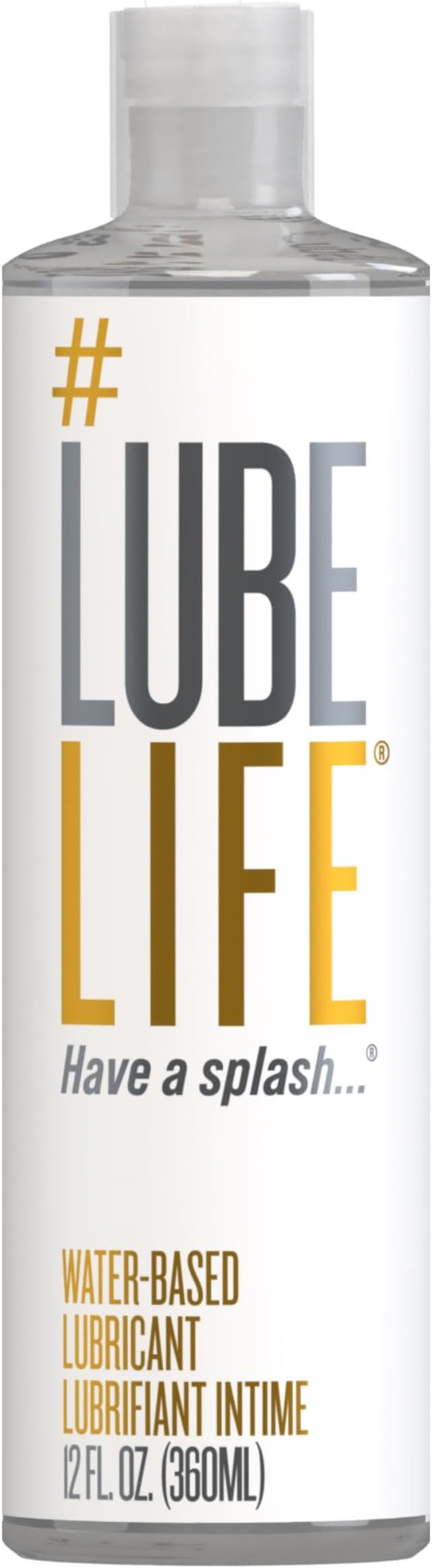
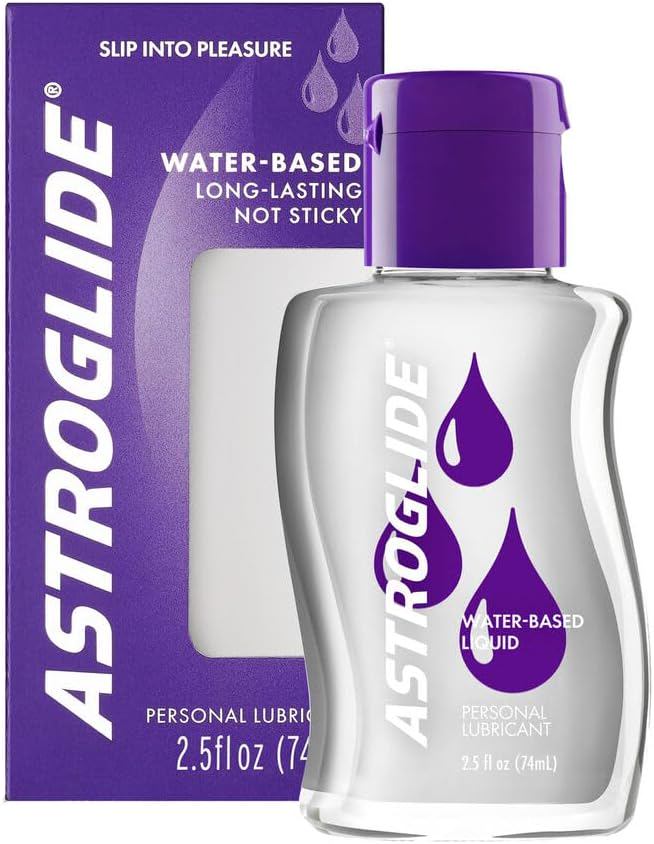
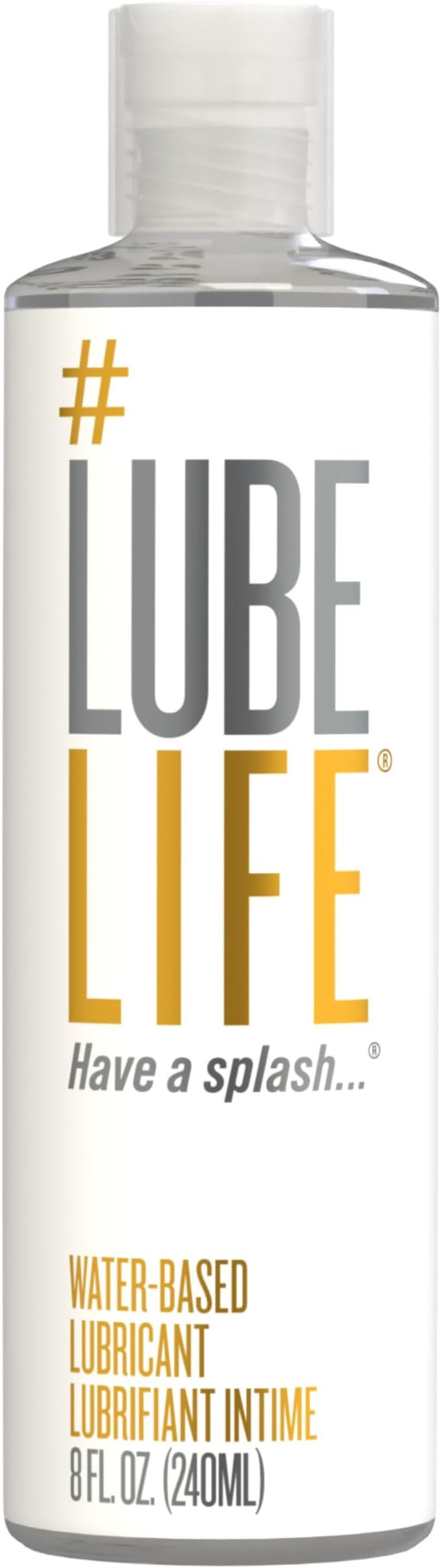
It sounds simple enough: if you're dry, use lube. But not all lubricants are created equal, and the wrong one can cause irritation, stinging, or even vaginal infections. Many women reach for products with warming agents, flavors, or scents, which often contain chemicals that disrupt the delicate vaginal microbiome. Glycerin, a common ingredient in many personal lubricants, can feed yeast and increase the risk of infections. Parabens and propylene glycol can cause stinging and inflammation on sensitive, thinning vulvar skin.
The safest choice is a high-quality, water-based or silicone-based lubricant that is labeled pH-balanced, osmolality-matched, and free of glycerin and parabens. Avoid anything that touts a 'tingling' or 'warming' sensation.
Even some natural oils—like coconut oil—can be problematic for women prone to yeast issues or those using latex condoms. Instead, look for products specifically formulated for menopausal vaginal dryness, which are often designed to support moisture without disrupting the skin barrier.
Mistake 2: Avoiding intimacy altogether
When sex hurts, the natural instinct is to avoid it. This is understandable, but it can create a vicious cycle. The vagina is a muscle, and like any muscle, if you don't use it, it can shorten and tighten. This condition, called vaginal atrophy or genitourinary syndrome of menopause (GSM), is partly driven by a lack of blood flow and elastic tissue—both of which are maintained through regular sexual activity.
Avoiding penetration entirely can lead to a narrowing of the vaginal canal and a loss of natural flexibility, which makes the next attempt even more painful. This is not about pushing through pain—that's never the answer—but about finding ways to maintain gentle, non-pressured stimulation. This might include external clitoral stimulation, using a vaginal dilator as recommended by a pelvic floor physical therapist, or simply focusing on intimate touch without the expectation of intercourse.
The goal is to keep blood flowing to the pelvic area, which helps maintain tissue health and natural lubrication. Even once a week can make a meaningful difference.
Mistake 3: Ignoring pelvic floor tension
Many women assume their discomfort during sex is purely about low estrogen and dryness. While estrogen loss plays a huge role, the pelvic floor muscles are often the missing piece of the puzzle. Chronic tension, clenching, and guarding—often a subconscious response to past pain—can create vaginal tightness and pain with penetration that feels just like dryness.
Think of it this way: if you clench your fist and then try to open it, there's resistance. The same thing happens in the pelvic floor. Overly tight pelvic floor muscles can reduce blood flow, cause burning sensations, and make the vaginal opening feel painfully small. Dryness alone might be helped by lubricant, but tension-related pain usually requires relaxation techniques, breathing exercises, or targeted physical therapy.
A skilled pelvic floor physical therapist can assess whether your pelvic floor is too tight (hypertonic) versus too weak, and guide you through stretches and internal release work. Many women find that once they address pelvic floor tension, their sexual discomfort drops significantly—even before they change anything else.
Putting it together: Small shifts, big relief
The good news is that all three of these mistakes are fixable. Switch to a gynecologist-recommended lubricant. Find a way to maintain sexual activity that feels safe and gentle—whether with a partner or on your own. And consider whether your pelvic floor might need relaxation rather than strengthening.
If you're struggling, start with one change. The body responds to small, consistent adjustments, and relief often comes sooner than you'd expect.