Menopause brings a host of changes, and for many women, vaginal dryness and discomfort during intimacy are among the most distressing. These symptoms, medically known as genitourinary syndrome of menopause (GSM), affect up to half of all postmenopausal women. While hormone therapy remains the gold standard for severe cases, a growing number of women seek gentler, natural approaches to support their body's changing needs.
We consulted with Dr. Elena Torres, a board-certified gynecologist specializing in menopausal health, and reviewed current clinical evidence to bring you four natural strategies that can offer real relief. None of these replace medical advice, but they are safe, research-backed options to discuss with your healthcare provider.
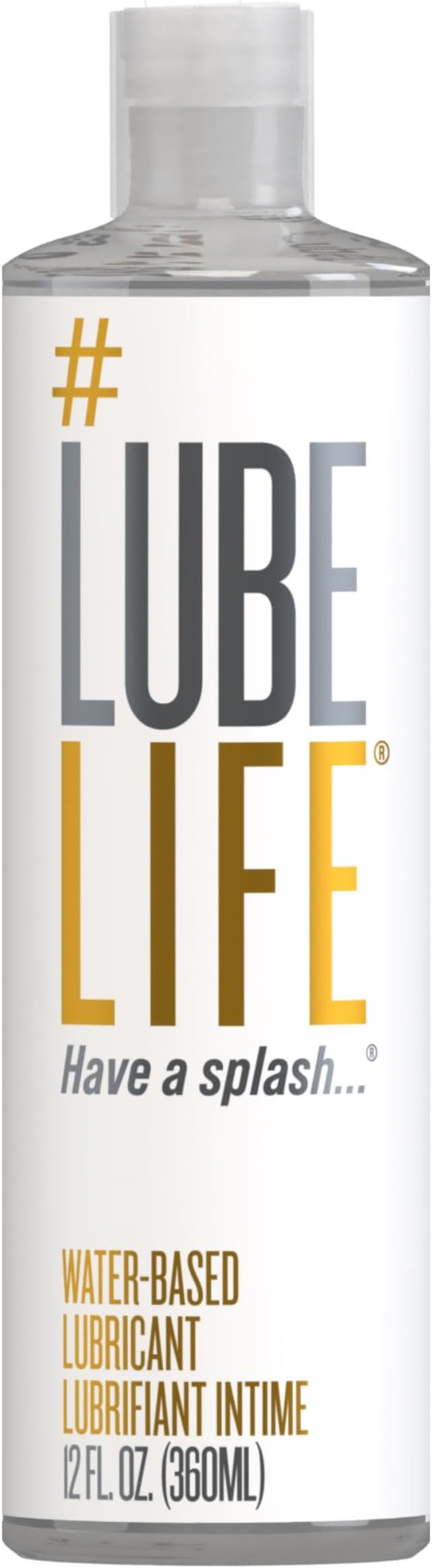
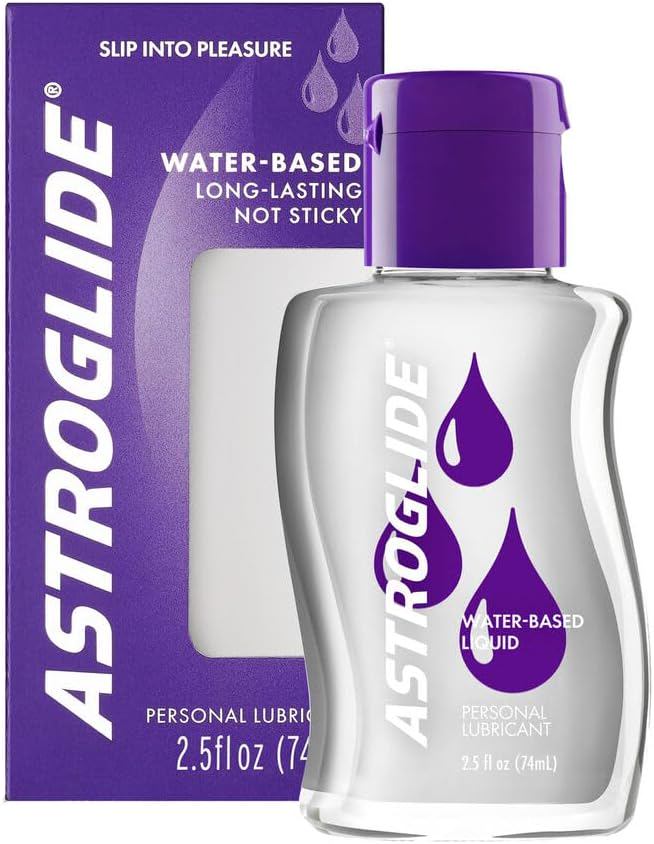
1. Vaginal Moisturizers and Lubricants: The First Line of Defense
The distinction between a moisturizer and a lubricant is critical. A vaginal moisturizer is used regularly (typically every two to three days) to restore hydration to the vaginal tissues, much like a facial moisturizer treats dry skin. A lubricant is applied just before intercourse to reduce friction.
Dr. Torres emphasizes that women often confuse the two. “A lubricant will make sex more comfortable in the moment, but it won’t address the underlying tissue thinning and pH changes that cause the dryness,” she explains. “A moisturizer is what rebuilds the vaginal environment over time.”
Look for products with a pH between 3.8 and 4.5 (matching a healthy vagina) and avoid those with parabens, glycerin (which can feed yeast), or warming/cooling sensations that may irritate sensitive skin. Options include water-based, silicone-based, and hybrid formulations. For daily comfort and intimacy readiness, many women combine a regular moisturizer with a silicone lubricant for longer-lasting smoothness.
Quick tip: If you use condoms, stick with water-based or silicone lubricants—oil-based varieties can degrade latex.
2. Plant-Based Estrogenic Support: Phytoestrogens
Phytoestrogens are plant compounds that weakly mimic estrogen in the body. The two most studied for vaginal health are isoflavones (found in soy, red clover) and lignans (found in flaxseeds, sesame seeds). For menopause-related discomfort, the evidence is strongest for topical applications rather than oral supplements.
A 2022 systematic review in Menopause found that topical soy-based gels and creams improved vaginal dryness and pH with fewer side effects than placebo. Oral isoflavone supplements showed modest benefit, but results varied widely. “The challenge with oral phytoestrogens is that individual gut bacteria determine how effectively they are converted into active compounds,” notes Dr. Torres. “Topical application bypasses this variable and puts the compound where it’s needed.”
If you choose to try foods rich in phytoestrogens, include moderate amounts of whole soy (tofu, edamame, tempeh), ground flaxseeds, and sesame seeds. Women with a history of estrogen-sensitive cancers should consult their oncologist before using concentrated phytoestrogen supplements or creams.
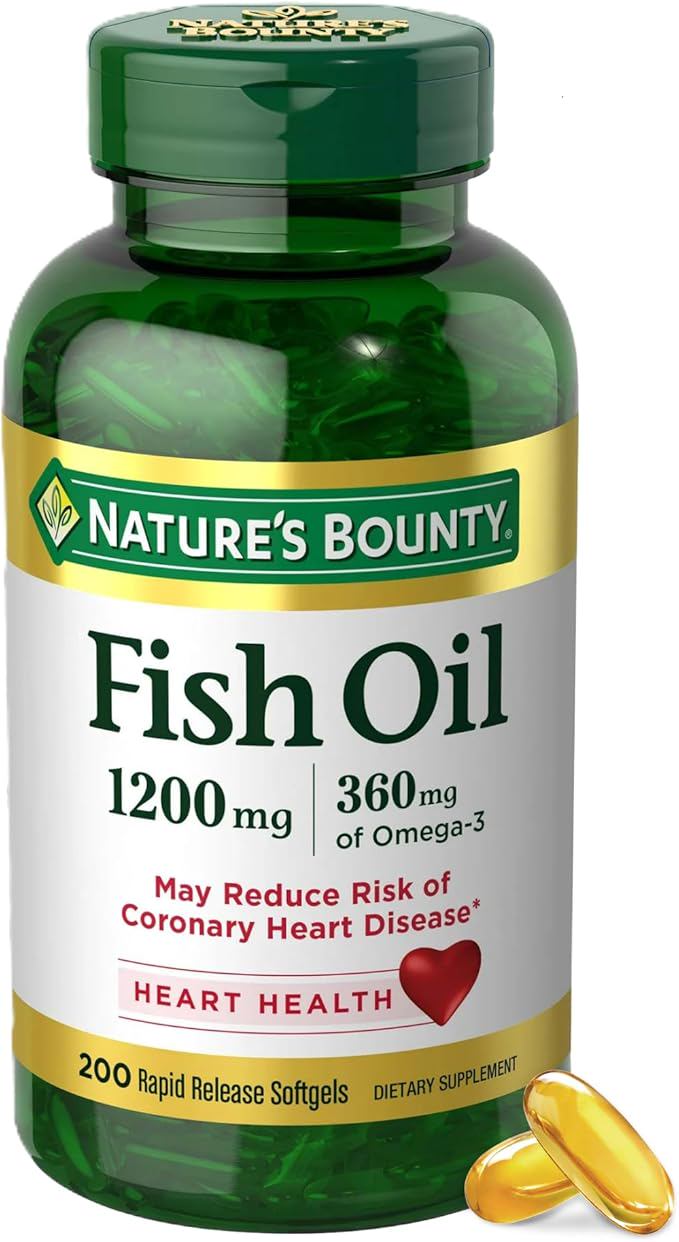
3. Omega-3 Fatty Acids: Anti-Inflammatory Support for Tissue Health
Chronic low-grade inflammation can worsen vaginal atrophy and dryness. Omega-3 fatty acids, particularly EPA and DHA found in fish oil, support cell membrane health and reduce systemic inflammation. A 2020 randomized trial showed that women who took 1,000 mg of fish oil daily for eight weeks reported significant improvements in vaginal dryness and sexual satisfaction compared to placebo.
Dr. Torres recommends a food-first approach: “Fatty fish like salmon, mackerel, and sardines are excellent sources. For supplementation, look for third-party tested fish oil with at least 500 mg combined EPA and DHA per serving.” She cautions that omega-3 supplements can have a blood-thinning effect, so anyone on anticoagulant therapy should discuss dosing with their doctor.
Plant-based options include algae oil (a direct source of DHA) and flaxseed oil (which provides ALA, a precursor that converts inefficiently to EPA/DHA).
4. Pelvic Floor Physical Therapy and Mind-Body Practices
This is the most overlooked natural remedy, yet it addresses the muscular and neurological components of sexual discomfort. The pelvic floor muscles can become hypertonic (too tight) or hypotonic (too loose) during menopause, both of which can cause pain during penetration. A pelvic floor physical therapist can teach targeted relaxation techniques, biofeedback, and gentle stretching.
Dr. Torres has seen remarkable results in her patients who combine PT with mindfulness. “When a woman is anxious about pain, her pelvic floor unconsciously clenches tighter, which worsens the pain,” she says. “Breath work, progressive relaxation, and even simple yoga poses like child’s pose can signal the nervous system to release that tension.”
Self-care tools like vaginal dilators (graded cylinders used to gently stretch the vagina) can be used at home under a therapist’s guidance. A 2021 study found that women who used dilators three times weekly for eight weeks had significant reductions in pain and improvements in sexual function. Always start with the smallest size and use plenty of lubricant.
When to See Your Doctor
Natural remedies work best for mild to moderate symptoms. If you experience bleeding after intercourse, severe pain, or if natural approaches haven’t helped after three months of consistent use, make an appointment. Prescription options like low-dose vaginal estrogen (available as a cream, ring, or tablet) are highly effective and safe for most women, including many breast cancer survivors. There is no virtue in suffering through discomfort when effective medical treatments exist.
This article is for educational purposes only and does not constitute medical advice. Always consult a qualified healthcare provider before starting any new treatment for menopausal symptoms.