
Vaginal dryness and the sexual discomfort that often comes with it can feel like a very private struggle. If you are navigating menopause, postpartum changes, or certain medical treatments, you may feel that your body is no longer cooperating with your desire for intimacy. It is a deeply common issue, yet one that many people endure in silence. The good news is that a range of effective, expert-backed strategies exist—from daily moisturizers to prescription therapies—that can restore comfort and make sex enjoyable again.
The root cause is often a drop in estrogen, which leads to thinning of the vaginal tissues, reduced elasticity, and a significant decrease in natural lubrication. However, the solution isn't simply "use more lube." A comprehensive approach that addresses tissue health, hormonal balance, and pelvic floor function is what leading gynecologists and sexual health experts typically recommend. Below is a breakdown of the most effective, evidence-based options currently available, with a focus on what you can do at home and when to seek professional support.
What is the first step experts recommend?
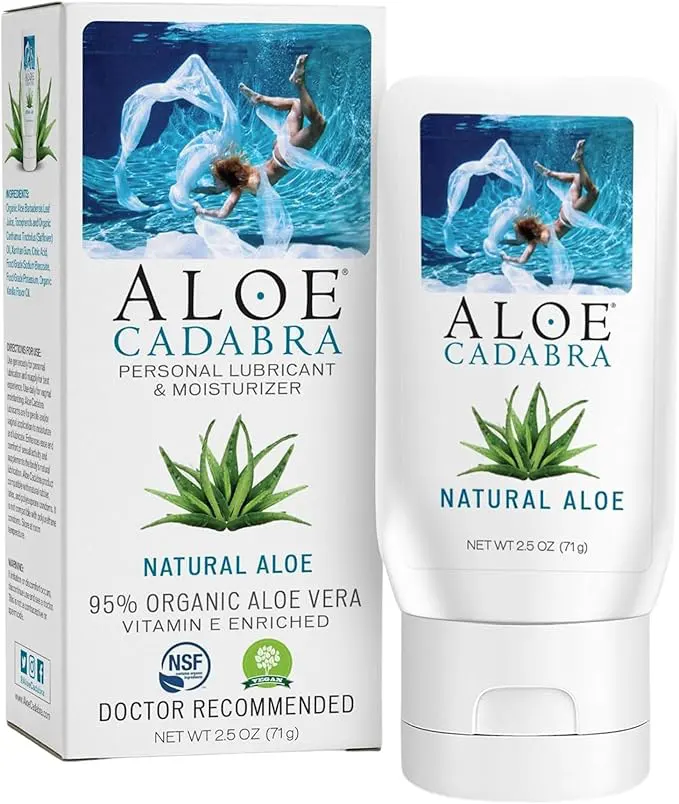
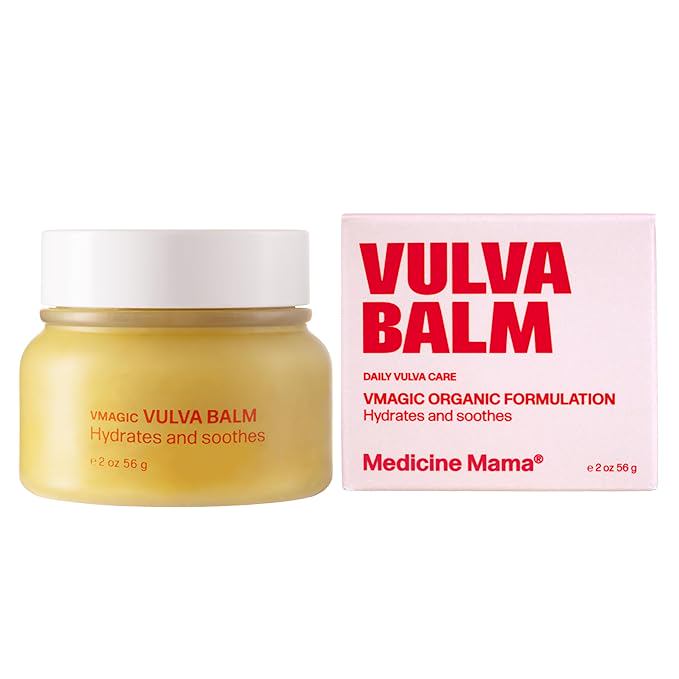
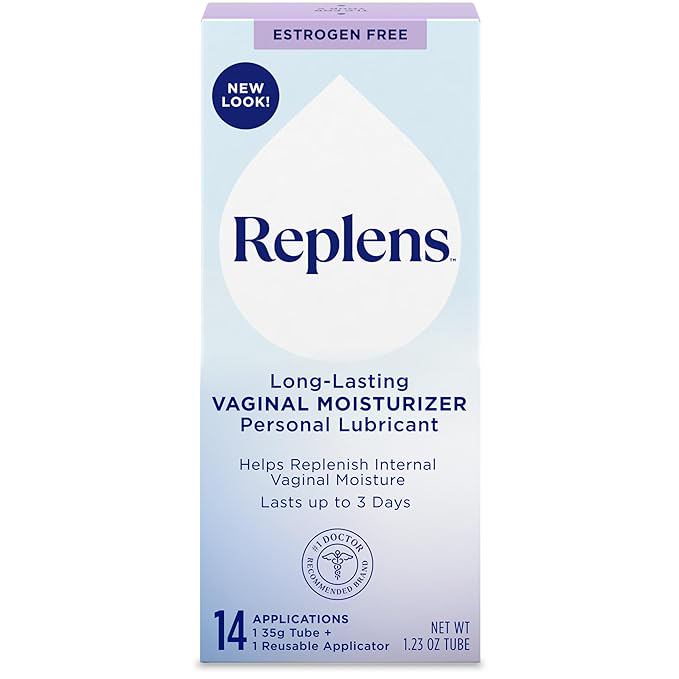
Before reaching for a prescription, most clinicians advise starting with a high-quality, long-acting vaginal moisturizer. Unlike lubricants, which are used at the time of sex, moisturizers are applied on a regular schedule (often every two to three days) to hydrate the tissue, restore its natural pH, and improve overall comfort. Look for products that are free of parabens, glycerin, and fragrances. Key ingredients to seek out include hyaluronic acid (which holds water in the tissue) and vitamin E. These products provide a base level of moisture that can reduce irritation throughout the day and make sex less painful.
Quick tip: Apply your moisturizer at bedtime so it has several hours to absorb without disruption. Consistency is more important than the brand—use it even on days you are not sexually active.
Should you use a lubricant for sex?
Absolutely—and this is where many people accidentally choose the wrong product. For those with persistent dryness or sensitive tissue, water-based lubricants can feel short-lived and may contain osmolytes (sugars and salts) that sting. Experts overwhelmingly point to silicone-based lubricants as the superior choice for vaginal dryness. They last much longer, do not absorb into the skin, and provide a slick, glide-like sensation that reduces friction. The downside is they are not compatible with silicone sex toys, but for partner sex, they are a top pick. If you prefer water-based, stick to a simple formula with minimal ingredients. Avoid any product labeled as "warming," "cooling," or "flavored," as these almost always contain irritants.
Can you fix the underlying tissue health?
Yes, and this is where the conversation shifts from symptom management to treatment. If moisturizers and lubricants are not enough—or if you are experiencing urinary symptoms like recurrent infections or urgency—it is time to discuss prescription options with your provider. The most common and effective tool is low-dose vaginal estrogen therapy. This is not the same as systemic hormone therapy. Applied locally as a cream, tablet, or ring, it delivers a small amount of estrogen directly to the vaginal tissue. It is very safe for most people, including those who cannot take systemic hormones due to a history of breast cancer (though you should always clear this with your oncologist). Benefits include thicker tissue, improved elasticity, better lubrication, and a return to a healthier microbiome.
Non-hormonal prescription options
For those who cannot or choose not to use estrogen, there is ospemifene (brand name Osphena), an oral medication that acts like estrogen on vaginal tissue without affecting the rest of the body. It can help with moderate to severe dyspareunia (painful sex). Another emerging option is laser or radiofrequency therapy (such as the MonaLisa Touch or ThermiVa), though it is worth noting that major medical societies like the American College of Obstetricians and Gynecologists (ACOG) do not yet recommend these as a standard first-line treatment due to limited long-term safety data. Many women do report good results, but it is a self-pay procedure and insurance rarely covers it.
What about pelvic floor physical therapy?
This is an often-overlooked but crucial piece of the puzzle. Vaginal dryness is almost always accompanied by a tight, guarded pelvic floor. When sex hurts, the body clenches in anticipation, which makes penetration even more painful—a vicious cycle of tension and pain. A pelvic floor physical therapist can work with you on relaxation techniques, manual release of trigger points, and using tools like vaginal dilators. Dilators are not just for post-surgical recovery; they are a phenomenal way to slowly stretch and desensitize the vaginal canal. Many experts recommend starting with a set of smooth, medical-grade silicone dilators and using them for five to ten minutes a day with a generous amount of lubricant.
Lifestyle changes that support vaginal health
While not a replacement for medical treatment, certain habits can support the work you are doing with products or prescriptions. Staying well-hydrated is the most basic but effective step—the body needs water to produce any form of moisture. Avoiding harsh soaps, douches, and scented wipes helps preserve the natural microbiome. Wearing cotton underwear and sleeping without underwear occasionally allows airflow, which reduces the risk of yeast infections. Some women also find that removing or reducing antihistamines (if safe) helps, as these dry out mucous membranes throughout the body. Finally, regular, gentle sexual activity—whether with a partner or alone—promotes blood flow to the pelvic area and can help maintain tissue health. Use lube every time, and do not force anything that hurts.
When should you see a specialist?
If you have tried consistent use of a moisturizer and a high-quality lubricant for four to six weeks and are still experiencing significant discomfort, it is time to see a gynecologist or a sexual medicine specialist. Do not wait for a routine annual exam—make a specific appointment to discuss this issue. Many women are told their dryness is "normal for menopause" and sent home without solutions, but you do not have to accept that. A good provider will listen, check your vaginal pH, examine the tissue, and consider options like topical estrogen or ospemifene. If you have a history of cancer, ask for a referral to a menopause specialist or a gynecologic oncologist who understands the nuances of hormone therapy in survivors. You deserve a treatment plan that actually works for your body.
The key takeaway: Vaginal dryness and sexual discomfort are not something you have to "push through." A layered approach—daily moisturizer, silicone lubricant during sex, potential prescription therapy, and pelvic floor support—can restore both comfort and confidence. Start with the simplest tools, but do not hesitate to escalate care if you need it. Your sexual health is a valid and important part of your overall well-being.