
Skin elasticity isn’t just about genetics—it’s heavily influenced by what you eat every day. Collagen, the protein that gives skin its bounce and firmness, naturally declines with age, but certain nutrients can support its production and protect existing fibers. Dietitians point to six foods that show up consistently in the research for their role in maintaining skin structure and slowing visible sagging. These aren’t miracle cures, but they are practical, evidence-backed choices that fit into a real diet.
Why diet matters for skin firmness
Collagen and elastin are the two main structural proteins in your skin. Sun exposure, pollution, smoking, and high sugar intake all accelerate their breakdown. While topical products help, the body builds collagen from amino acids and requires cofactors like vitamin C, zinc, and copper. Eating whole foods that provide these building blocks and cofactors gives your skin the raw materials it needs to stay plump and resilient. The six foods below are recommended by dietitians specifically because they supply these nutrients in bioavailable forms.
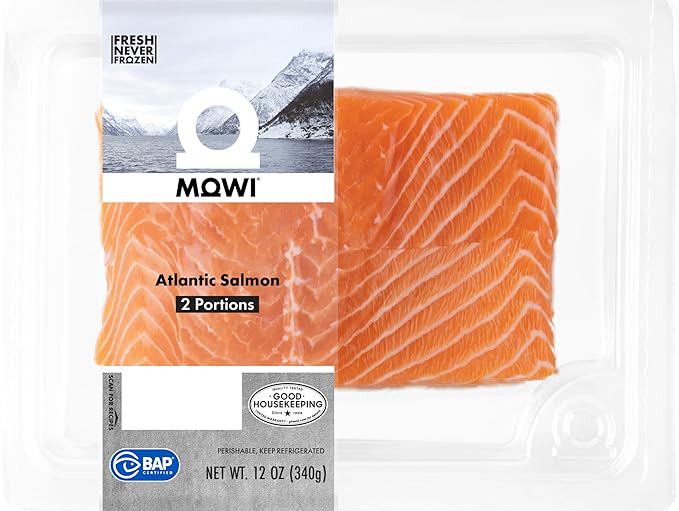
1. Fatty fish (salmon, mackerel, sardines)
Fatty fish is one of the best food sources for skin health. It provides high-quality protein, which contains the amino acids proline and glycine—essential for collagen synthesis. Even more important: fatty fish is rich in omega-3 fatty acids. Omega-3s help reduce inflammation, and chronic low-grade inflammation damages collagen and elastin fibers over time. A 2021 review in Nutrients noted that omega-3 intake is associated with lower skin aging scores. Salmon, mackerel, and sardines also contain astaxanthin, a carotenoid antioxidant that may protect skin from UV damage. Dietitians suggest two servings per week as part of a skin-supportive diet.
2. Citrus fruits (oranges, grapefruit, lemons, limes)
Vitamin C is a non-negotiable cofactor for collagen synthesis. Without enough vitamin C, collagen cross-linking is impaired, leading to weaker skin structure. Citrus fruits are a classic source: one medium orange provides about 70 mg of vitamin C, covering most of your daily needs. The flavonoids in citrus also help protect collagen from degradation by inhibiting enzymes that break it down. A study in the American Journal of Clinical Nutrition found that women with higher vitamin C intakes had lower odds of wrinkled, dry skin. Dietitians emphasize that whole citrus fruit is preferable to juice because of the fiber and lower sugar load.
3. Leafy greens (spinach, kale, Swiss chard)
Green vegetables are dense in vitamin C, vitamin A, and antioxidants. Vitamin A (from beta-carotene) helps regulate skin cell turnover and supports the production of new skin cells. Spinach and kale also contain lutein and zeaxanthin, carotenoids that accumulate in skin and may protect against UV-induced damage. A 2018 study in the Journal of the Academy of Nutrition and Dietetics linked higher lutein and zeaxanthin intake with better skin elasticity in women. Dietitians recommend eating leafy greens daily, raw or lightly cooked, since cooking can increase the bioavailability of some carotenoids.
4. Nuts and seeds (almonds, sunflower seeds, walnuts)
Nuts and seeds supply vitamin E, a fat-soluble antioxidant that protects cell membranes—including the membranes of skin cells—from oxidative stress. Vitamin E works synergistically with vitamin C to reduce collagen breakdown. Almonds are one of the best sources: an ounce provides about half of the daily recommended intake. Sunflower seeds are also rich in copper, a mineral that supports collagen cross-linking. Walnuts add omega-3s and ellagic acid, a polyphenol that may help prevent collagen degradation. A handful of nuts or seeds most days is a practical way to get these nutrients without overcomplicating your diet.
5. Bell peppers (red, yellow, orange)
Red bell peppers contain more vitamin C per gram than oranges—about 95 mg per half-cup. They’re also rich in carotenoids like beta-carotene and beta-cryptoxanthin that convert to vitamin A. The combination of high vitamin C and carotenoid content makes bell peppers a dual-action food for skin support. A 2020 study in Skin Pharmacology and Physiology found that dietary carotenoids are positively correlated with skin firmness and hydration in middle-aged women. Dietitians note that cooking bell peppers slightly (like a quick sauté) can make some carotenoids more absorbable without destroying vitamin C.
6. Bone broth or collagen-rich cuts
Bone broth is made by simmering animal bones, which releases collagen into the broth. While the collagen itself is broken down into amino acids during digestion, the glycine, proline, and hydroxyproline it provides are exactly what the body uses to make its own collagen. Chicken skin, fish skin, and beef connective tissue (like oxtail or short ribs) also deliver these amino acids. A 2019 meta-analysis in Nutrients of collagen supplementation trials showed improvements in skin elasticity and hydration, and food sources likely offer similar benefits through a whole-food matrix. Dietitians suggest including a collagen-rich meal a few times per week—homemade broth or slow-cooked meat with skin on is enough.
A note on balance
No single food will reverse sagging or erase wrinkles. But consistently eating these six types of foods, combined with sun protection and adequate hydration, can slow collagen loss and support your skin’s natural ability to stay firm. The dietitians I talk to emphasize that the pattern matters more than any one ingredient. Build your plates around these foods, and your skin—like the rest of your body—will benefit from the steady supply of nutrients it needs.