You’ve been diligent with sunscreen, you drink water throughout the day, and you even splurge on that peptide serum your friend recommended. Yet lately, something feels off. Maybe your reflection catches you mid-laugh, and the fine lines along your cheeks seem to linger a beat too long before settling back. Or perhaps the skin around your eyes feels looser than it did a year ago.
Loss of skin elasticity is a natural part of aging, but when it accelerates unexpectedly, it can be both confusing and frustrating. The good news: your skin sends clear early signals. Learning to recognize them can help you adjust your routine before more noticeable changes set in. Below are five signs that your skin’s bounce-back ability may be declining faster than it should — and what they mean.
The pinch test isn’t as springy as it used to be
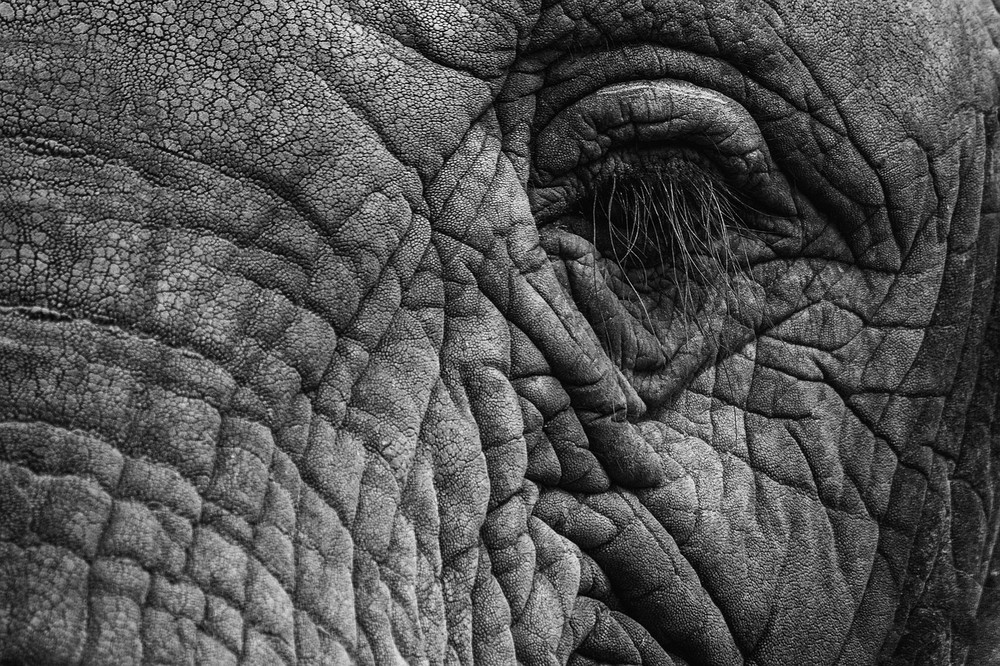
One of the simplest ways to gauge elasticity is the “snap-back” test. Gently pinch the skin on the back of your hand or your cheek for a few seconds, then let go. In younger, well-hydrated skin, the tissue snaps back almost immediately. If you notice the skin stays tented for a moment — or takes several seconds to flatten — that’s a strong indicator that collagen and elastin fibers have lost some of their structural strength.
While some slowness is expected with age, a noticeable delay over a period of months warrants attention. This change often reflects a depletion of the extracellular matrix, the scaffolding that keeps skin firm. Environmental factors like chronic sun exposure, smoking, and even repetitive facial expressions can accelerate this process.
Fine lines appear even when your face is at rest
Dynamic wrinkles — the ones you see when you smile, frown, or squint — are normal and begin forming in your twenties. The shift happens when those lines become etched into your skin even when your face is neutral. At that point, it’s no longer just expression; it’s a sign that the underlying support structures have weakened and can no longer fully rebound.
Most women notice this first around the eyes (crow’s feet that remain visible) or along the forehead. If you’re seeing a grid of faint horizontal lines across your brow after you’ve washed off your makeup and relaxed your face, your skin is telling you its resilience is diminishing.
Catching these “resting lines” early gives you a real opportunity — because once the crease is deep, surface treatments alone won’t erase it.
Your skin looks thinner and more translucent
Loss of elasticity often accompanies a thinning of the dermis. You might notice that your skin — especially on the eyelids, temples, or the backs of your hands — looks more delicate, almost papery. Veins may become more visible, and the skin may bruise more easily after minor bumps. This happens because the fibroblast cells responsible for producing collagen and elastin slow down, and existing fibers break down faster than they are replaced.
If you can suddenly see the tiny blue lines on your upper eyelids where you never could before, that’s a visual clue that elasticity and dermal thickness are in decline. This sign is particularly important because it’s structural, not just cosmetic.
Nasolabial folds and jawline sag become more pronounced
The skin on the lower half of your face is highly dependent on strong elastin networks to hold its contour. When elasticity drops, gravity takes over. The cheeks may shift downward, deepening the folds that run from the sides of your nose to the corners of your mouth. At the same time, the jawline might lose its sharp definition, creating the appearance of jowls or a “melted” profile.
This kind of sagging is often attributed to weight changes or genetics alone, but it can also signal that the rate of collagen breakdown has outpaced production. If you notice your foundation settling into deeper creases around your mouth or that your chin area feels less lifted than it did two or three years ago, it’s time to look at your skincare strategy holistically.
Your pores appear larger or elongated
Here’s a subtle sign most people miss: pore shape. Pores aren’t supposed to be oval or teardrop-shaped. When the surrounding skin loses firmness, pores lose their round, tight appearance and start to stretch. This is especially visible on the cheeks and around the nose. Enlarged, elongated pores are one of the earliest visual markers of declining elasticity because they reflect the skin’s inability to maintain tension around each hair follicle.
If your pores seem to have changed shape over the past year — from small dots to longer, more obvious indentations — that is a strong signal that your skin is losing its structural integrity faster than expected.
What to do if you recognize these signs
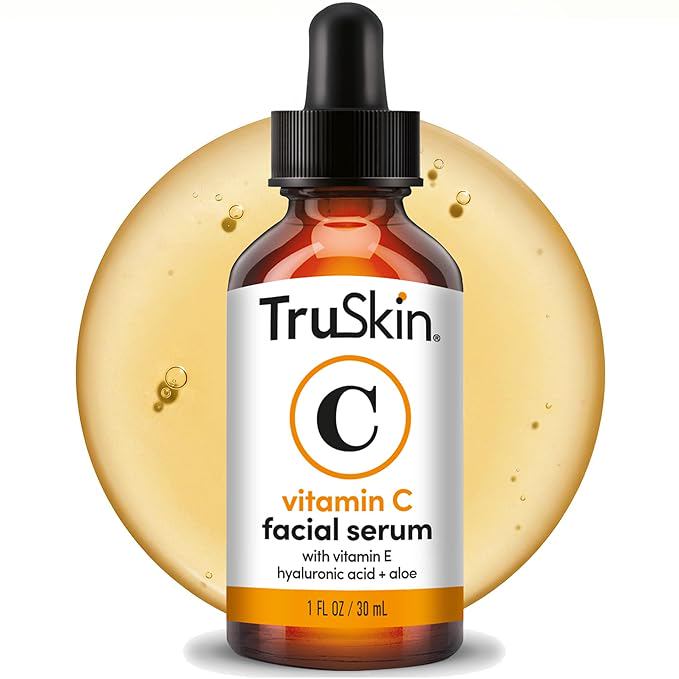
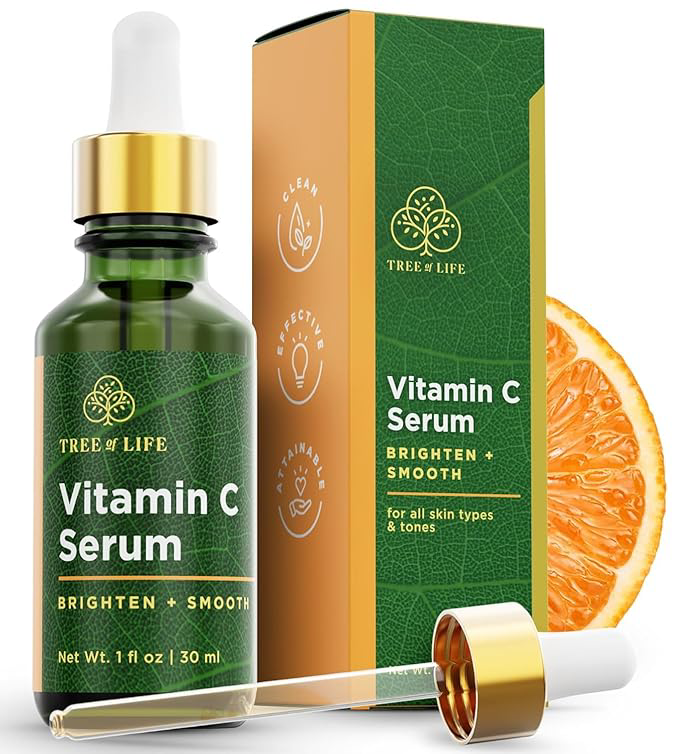
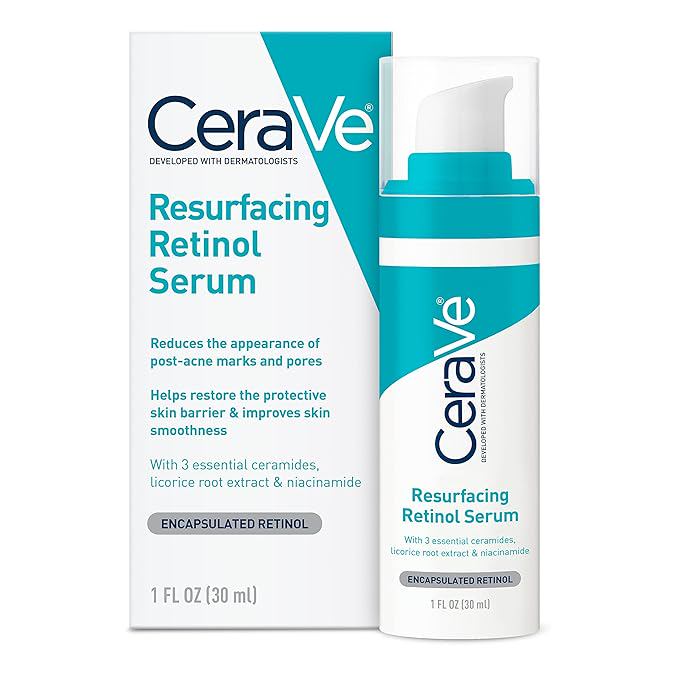
Identifying accelerated elasticity loss doesn’t mean you need drastic measures. Start with the foundation: consistent use of a broad-spectrum sunscreen (SPF 30 or higher) to prevent further elastin damage. Add a retinoid or retinaldehyde at night to stimulate fibroblast activity, and consider a well-formulated vitamin C serum in the morning for antioxidant protection and collagen support.
Hydration matters too — both internal (adequate water intake) and external (barrier-supporting moisturizers with ingredients like ceramides, niacinamide, and peptides). If lifestyle factors like smoking, poor sleep, or high sugar intake are in play, addressing them can have an outsized effect on how your skin recovers.
And please, consult a board-certified dermatologist if these signs are pronounced or progressing rapidly. They can assess whether underlying health issues — such as hormonal changes, autoimmune conditions, or medication side effects — are contributing to the timing of these changes.