
Heavy compound lifts — squats, deadlifts, bench presses — are a rite of passage for any beginner. They build strength, confidence, and mass, but they also leave your muscles in a state of controlled damage. That repair process is where real gains happen, and nutrition is the single most powerful lever you can pull to support it.
You don't need a dozen supplements or a chemistry degree. What you need is consistent access to a handful of real foods that deliver the amino acids, carbohydrates, and micronutrients your body requires to rebuild stronger tissue. Here are six foods that fit into a beginner's routine without requiring special prep or expensive shopping trips.
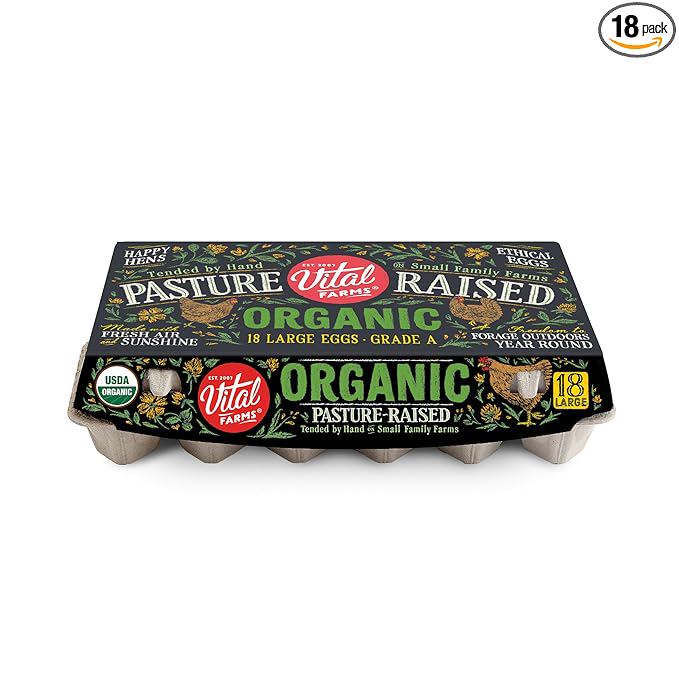
1. Eggs are the gold standard for complete protein
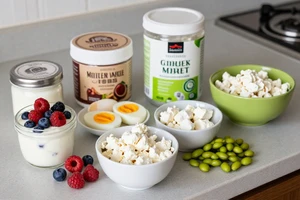
Eggs contain all nine essential amino acids in a profile that closely matches human muscle tissue. One large egg delivers about six grams of protein, along with leucine — the primary amino acid that triggers muscle protein synthesis. For a beginner who just finished heavy squats, eating two or three eggs within a few hours of training gives the muscles direct building material.
Whole eggs are preferable to whites alone. The yolk contains fat-soluble vitamins (A, D, E, K) and choline, which supports cell membrane repair. A simple two-egg scramble post-workout, paired with toast or rice, is quick, affordable, and effective.
2. Greek yogurt pairs protein with probiotics for better recovery
Plain, unsweetened Greek yogurt contains roughly twice the protein of regular yogurt — around 15 to 20 grams per cup. It also provides a slow-digesting casein fraction, which means amino acids trickle into your bloodstream over several hours. This is especially helpful for beginners who train in the evening and want overnight repair support.
The live cultures in yogurt support gut health, which is increasingly recognized as a key factor in systemic inflammation and recovery. Combine Greek yogurt with berries or a drizzle of honey for carbohydrates that replenish glycogen stores after a demanding deadlift session.
Choosing the right yogurt
Look for plain varieties with no added sugar. Fruit-flavored options often contain more sugar than protein. If you find the tangy taste off-putting, add a pinch of cinnamon or a few chopped nuts instead of sweetened syrups.
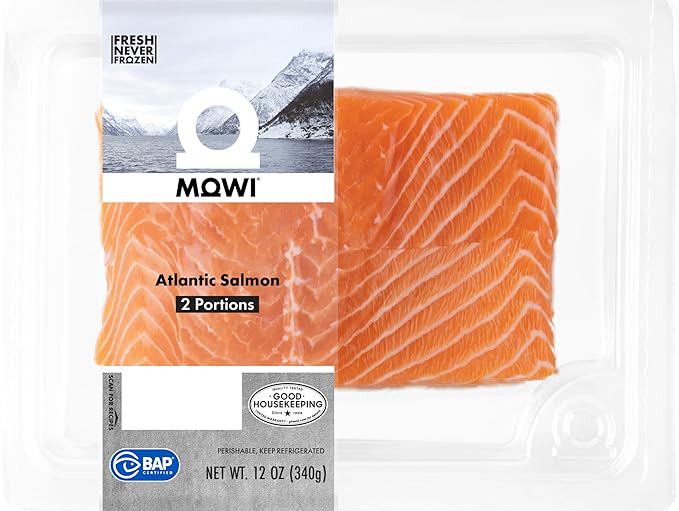
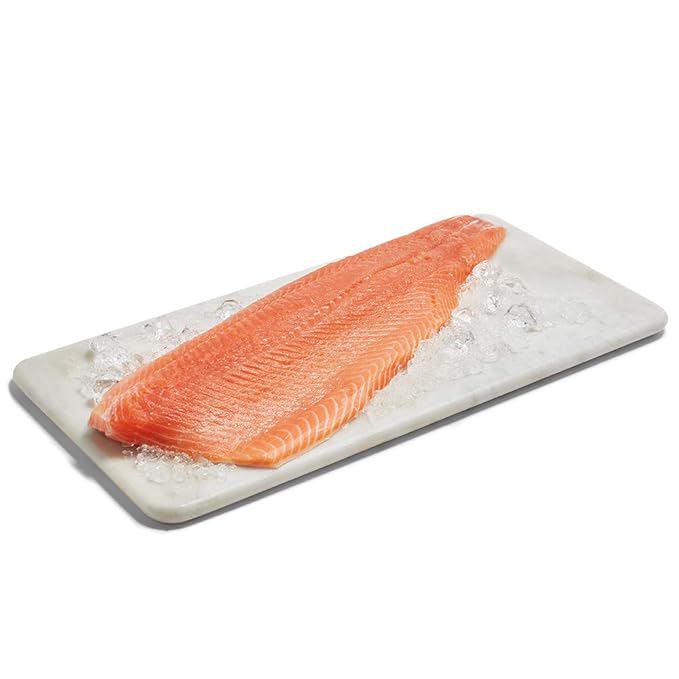
3. Salmon delivers omega-3s to calm inflammation
Heavy training creates temporary inflammation — it is a normal part of the muscle-building process. But excessive or prolonged inflammation interferes with recovery and can leave you feeling stiff and sore for days. The omega-3 fatty acids in salmon (EPA and DHA) help modulate this inflammatory response without blocking the repair signals your body needs to adapt.
A three- to four-ounce serving of wild or farmed salmon provides about 20 grams of high-quality protein alongside those anti-inflammatory fats. For beginners who find whole fish intimidating, canned salmon (look for skinless, boneless varieties) is a perfectly good alternative. Mix it with avocado and lemon for a no-cook post-workout lunch.
Omega-3s are particularly relevant if you are in a calorie deficit for body recomposition. They help preserve muscle tissue while supporting joint health under increasing loads.
4. Sweet potatoes replenish glycogen without spiking blood sugar
Compound lifts drain the glycogen stored in your muscles. Replacing that fuel is critical if you train again within 48 hours. Sweet potatoes provide complex carbohydrates that digest steadily, replenishing glycogen stores while delivering beta-carotene, vitamin C, and potassium — the latter being an electrolyte lost through sweat.
A medium sweet potato (about the size of your fist) contains roughly 25 grams of carbohydrates. Roasting a batch at the start of the week gives you a ready-to-eat carb source that pairs well with any protein. For faster digestion immediately post-workout, peeled and boiled sweet potatoes work well; for sustained energy later in the day, eat the skin too for extra fiber.
5. Lean beef supplies iron and zinc for energy and tissue repair
Red meat is one of the richest dietary sources of iron (heme iron, which is highly absorbable) and zinc — two minerals that support oxygen transport and protein synthesis, respectively. Beginners often experience fatigue as their bodies adapt to heavier loads; adequate iron intake directly affects how efficiently your blood carries oxygen to recovering muscles.
A 100-gram serving of lean beef (about 3.5 ounces) provides around 25 grams of protein and substantial B vitamins, especially B12. If you are limiting red meat for health or environmental reasons, look for grass-fed options, which tend to have a slightly healthier fat profile. Ground beef works just as well as steaks for post-workout meals — use it in lettuce wraps, rice bowls, or simple salads.
6. Cottage cheese offers a last-minute casein boost before sleep
Similar to Greek yogurt but even higher in protein per gram, cottage cheese delivers about 24 grams per cup. It is exceptionally rich in casein, the slowly digested milk protein that provides a steady supply of amino acids for four to six hours. This makes it an ideal pre-sleep snack after heavy leg day.
Choose low-sodium or reduced-sodium options if you are watching salt intake. Add black pepper and cucumber slices for a savory bowl, or top with pineapple for a sweet version that adds bromelain, an enzyme with mild anti-inflammatory properties.
How beginners should time these foods
You do not need to down a protein shake inside a 30-minute anabolic window. For most beginners, total daily protein intake matters far more than precise timing. Aim for roughly 1.6 to 2.2 grams of protein per kilogram of body weight spread across three to four meals. Including one of these foods in each meal ensures consistent delivery of amino acids throughout the day.
If you train first thing in the morning, a pre-workout meal two to three hours beforehand (eggs and sweet potato, for example) provides energy. Post-workout, eat a protein-and-carb combination within two hours. Greek yogurt with fruit, or a salmon rice bowl, fits that window neatly.
Common mistakes beginners make with recovery nutrition
- Skipping post-workout meals because of low appetite. A smoothie with Greek yogurt, banana, and spinach can be easier to tolerate than a full plate of food.
- Over-relying on protein powders while ignoring whole food sources. Real foods provide micronutrients and fiber that isolated supplements do not.
- Cutting carbohydrates entirely in a misguided attempt to lose fat. Compound heavy lifts demand carbs for recovery; you can adjust portion sizes instead of eliminating them.
- Eating too close to bedtime with heavy meals. Cottage cheese or Greek yogurt are lighter options that support sleep quality while still feeding your muscles.