For many people, the journey to clearer skin feels like a constant battle with cleansers, creams, and spot treatments. Yet, sometimes the most powerful tools for managing acne aren't found in a bottle, but on your plate. The connection between diet, hormones, and skin health is complex and deeply individual, but emerging research suggests that what we eat can influence the internal environment that contributes to breakouts.
This isn't about blaming specific foods or promising a miracle cure. Instead, it's about exploring how certain nutrient-dense foods can support the body's natural hormone balance and reduce inflammation—two key factors often linked to acne. Think of it as nourishing your skin from the inside out, creating a foundation of health that can complement your external skincare routine.
How Do Hormones and Diet Affect Acne?
Acne, particularly the persistent, cystic kind that appears along the jawline and chin, is frequently tied to hormonal fluctuations. Androgens, like testosterone, can stimulate oil glands in your skin to produce more sebum. When excess sebum mixes with dead skin cells, it can clog pores, creating an environment where acne-causing bacteria can thrive.
Diet enters the picture through its effect on inflammation and insulin. Foods that cause a rapid spike in blood sugar can trigger a cascade: the body releases insulin to manage the sugar, and elevated insulin levels may increase androgen activity and inflammation, potentially worsening acne for some individuals. Conversely, foods rich in specific nutrients can help moderate this response, support liver function (where hormones are processed), and calm systemic inflammation.
The goal isn't to eat for perfect skin overnight, but to consistently provide your body with the building blocks it needs for balance.
Foods to Consider for Hormonal Support
Focusing on whole, anti-inflammatory foods is a sensible starting point. The following foods are valued in nutritional science for their potential to support metabolic and hormonal health, which may, in turn, reflect positively on your skin.
Fatty Fish
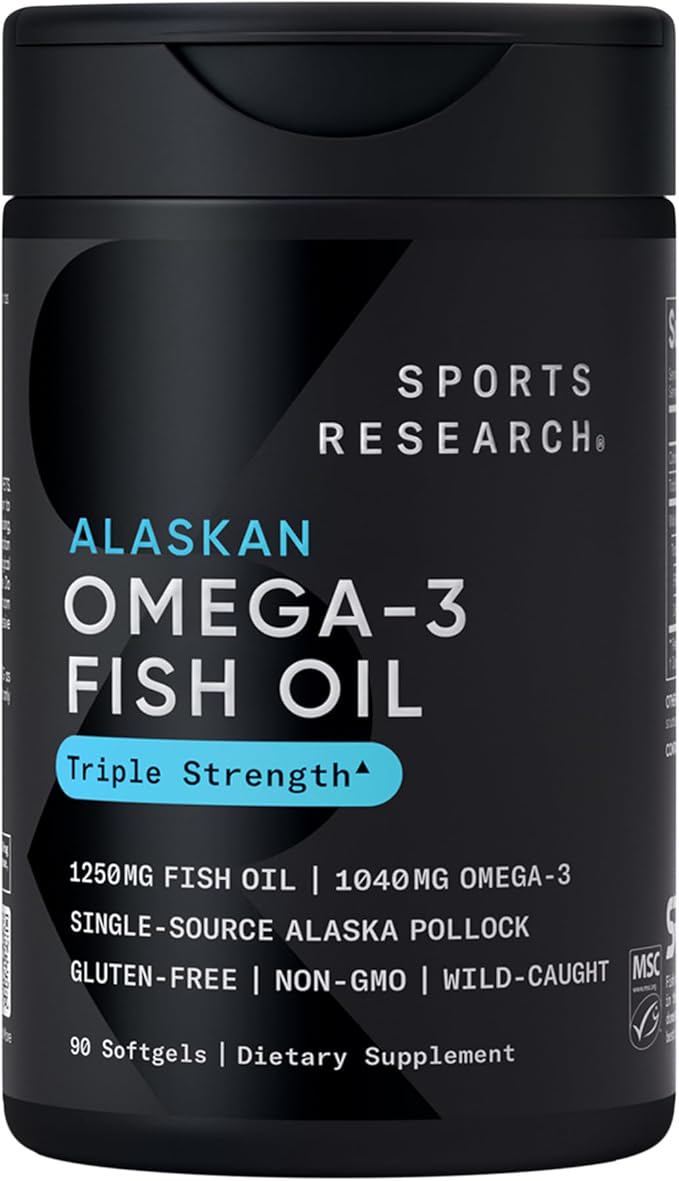
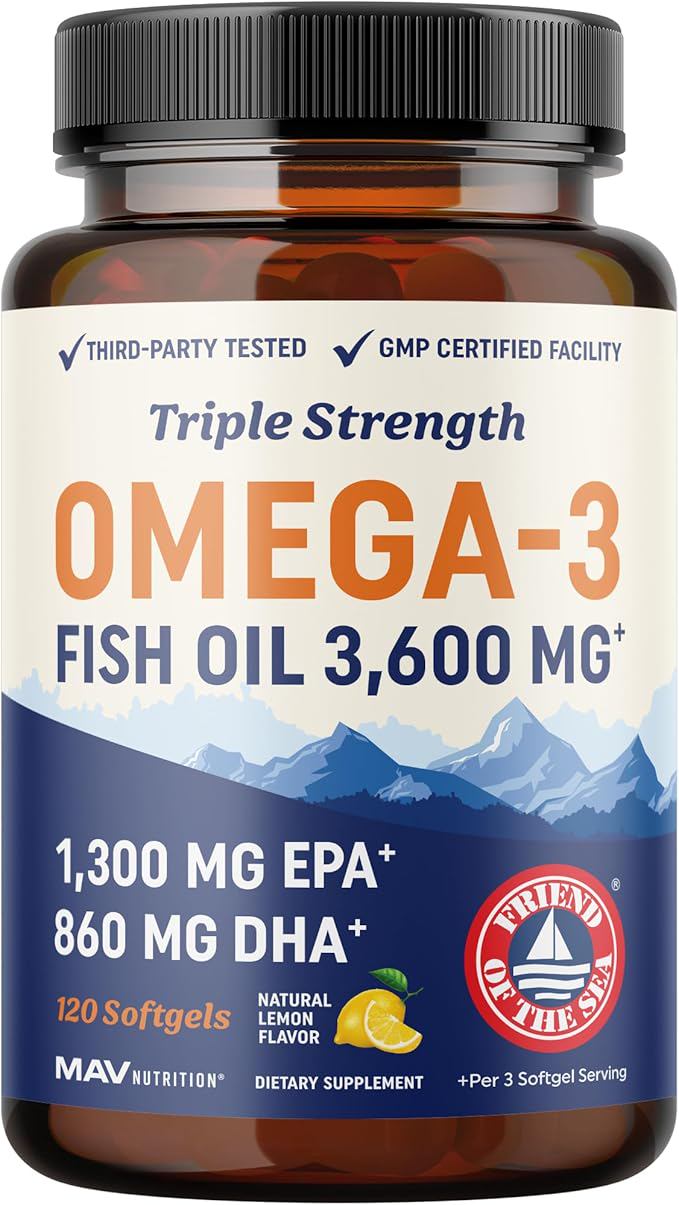
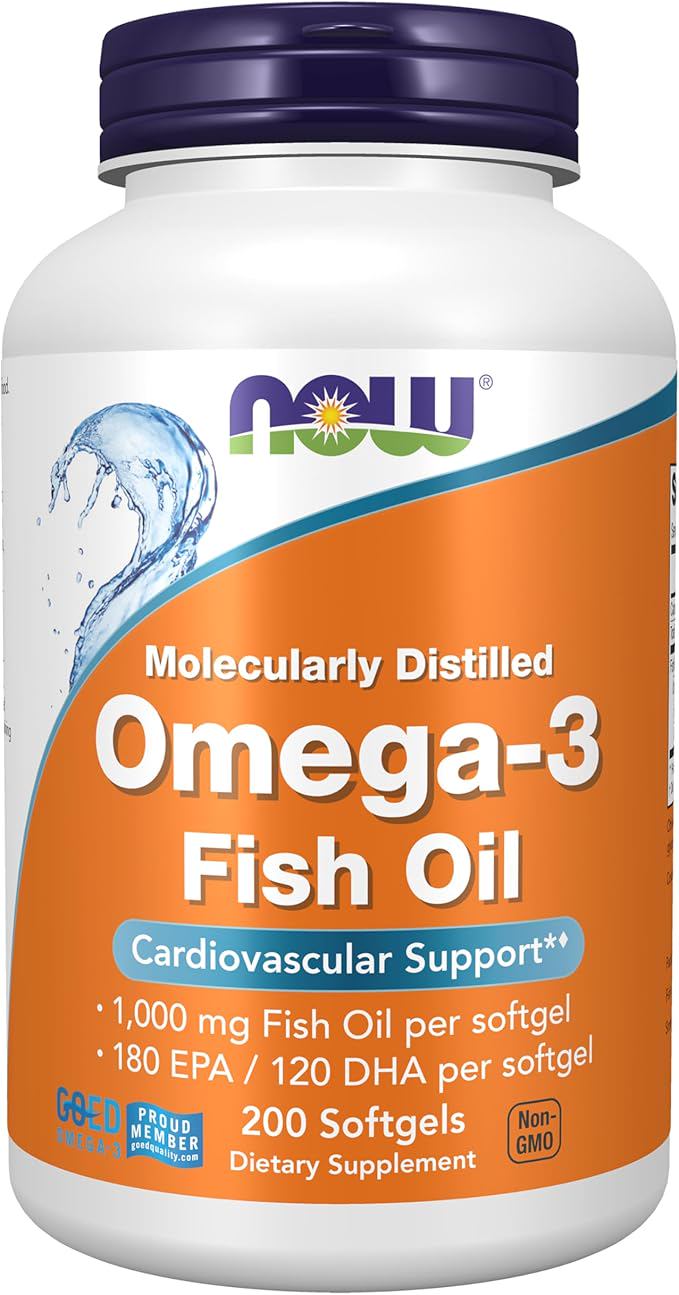
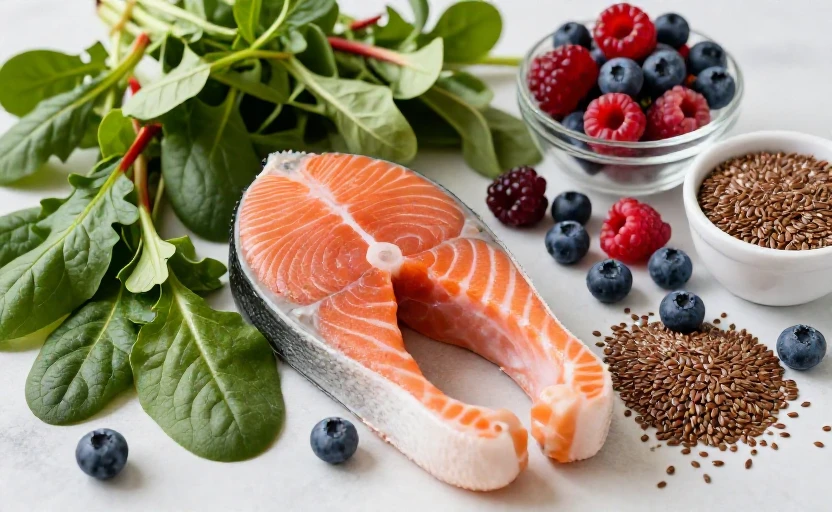
Salmon, mackerel, sardines, and anchovies are rich in omega-3 fatty acids, specifically EPA and DHA. These are powerful anti-inflammatory agents. By helping to balance the body's inflammatory response, omega-3s may counteract one of the key drivers of acne. Furthermore, a healthy intake of these fats supports cell membrane health, which is crucial for all cells, including those in your skin.
Leafy Green Vegetables
Kale, spinach, Swiss chard, and collard greens are powerhouses of nutrients essential for detoxification and hormone metabolism. They are excellent sources of magnesium, which plays a role in hundreds of biochemical reactions, including those that regulate cortisol and insulin. Their high fiber content also helps regulate blood sugar, preventing the sharp spikes that can influence androgen levels.
Flaxseeds
These tiny seeds offer a unique combination of fiber and phytoestrogens called lignans. The fiber supports healthy digestion and estrogen excretion, while lignans may have a gentle balancing effect on estrogen levels. Grinding flaxseeds is key to unlocking their nutrients; a tablespoon sprinkled on oatmeal or blended into a smoothie is an easy addition.
Cruciferous Vegetables
Broccoli, cauliflower, Brussels sprouts, and cabbage contain a compound called indole-3-carbinol, which supports the liver's phase of hormone detoxification. This process helps the body efficiently process and eliminate used hormones, including excess estrogen. Steaming or lightly sautéing these vegetables makes them easier to digest while preserving their beneficial compounds.
Berries
Blueberries, raspberries, blackberries, and strawberries are low in sugar compared to other fruits and packed with antioxidants like vitamin C and anthocyanins. These antioxidants combat oxidative stress, a form of cellular damage that contributes to inflammation. Their vibrant colors are a direct signal of their skin-supportive potential.
Fermented Foods
The gut-skin axis is a growing area of interest. Foods like plain yogurt, kefir, kimchi, sauerkraut, and kombucha contain probiotics that help maintain a healthy gut microbiome. A balanced gut can improve nutrient absorption, support the immune system, and may help modulate inflammation throughout the body, which can influence skin conditions.
Building a Skin-Supportive Pattern of Eating
Incorporating these foods works best as part of an overall balanced diet. There's no single "acne superfood." The synergy of nutrients across various whole foods creates the greatest benefit. Aim for a plate rich in colorful vegetables, quality proteins, healthy fats, and fiber-rich carbohydrates. This pattern naturally helps stabilize blood sugar and provides a broad spectrum of vitamins and minerals.
It's equally helpful to be mindful of foods that might trigger inflammation or blood sugar spikes for you. These are highly individual, but commonly noted items include highly processed snacks, sugary drinks, and refined carbohydrates like white bread and pastries. Paying attention to how your skin responds after meals can offer personal clues, though correlation is not always causation.
Progress with dietary changes is measured in weeks, not days. Patience and consistency are your allies.
A Note on Realistic Expectations
Diet is one piece of a large puzzle that includes genetics, stress, sleep, skincare habits, and overall health. For some, dietary shifts make a noticeable difference; for others, the effect may be more subtle, contributing to an overall sense of well-being. It is not a replacement for professional dermatological care, especially for moderate to severe acne.
If you are considering significant dietary changes or have underlying health conditions, consulting with a healthcare provider or a registered dietitian can provide personalized guidance that respects your unique health profile.