When the day finally winds down, your nervous system may still be humming from stress. Cortisol, the primary stress hormone, can remain elevated long after the trigger fades, making it harder to relax, sleep, and recover. While lifestyle habits like deep breathing and movement help, what you eat plays a powerful supporting role.
We asked dietitians to share the foods that can help bring cortisol levels back into a healthy range after a demanding day. Here are six science-backed options to keep in your kitchen.
1. Fatty fish for omega-3s
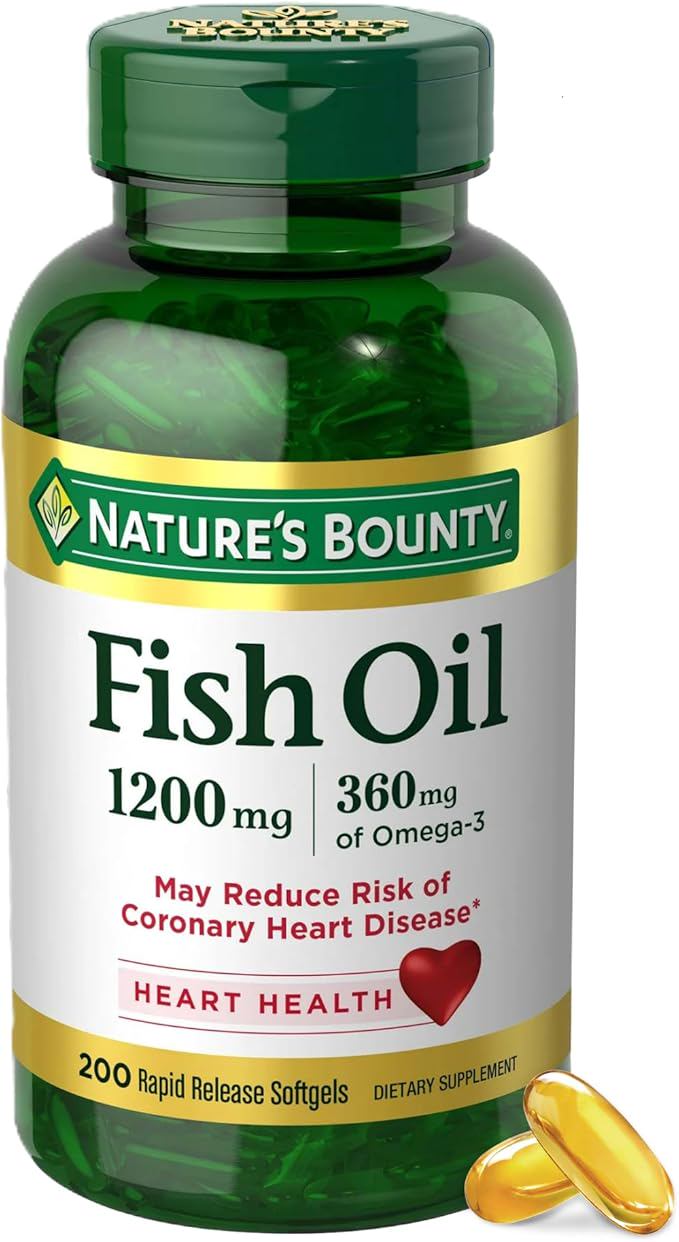
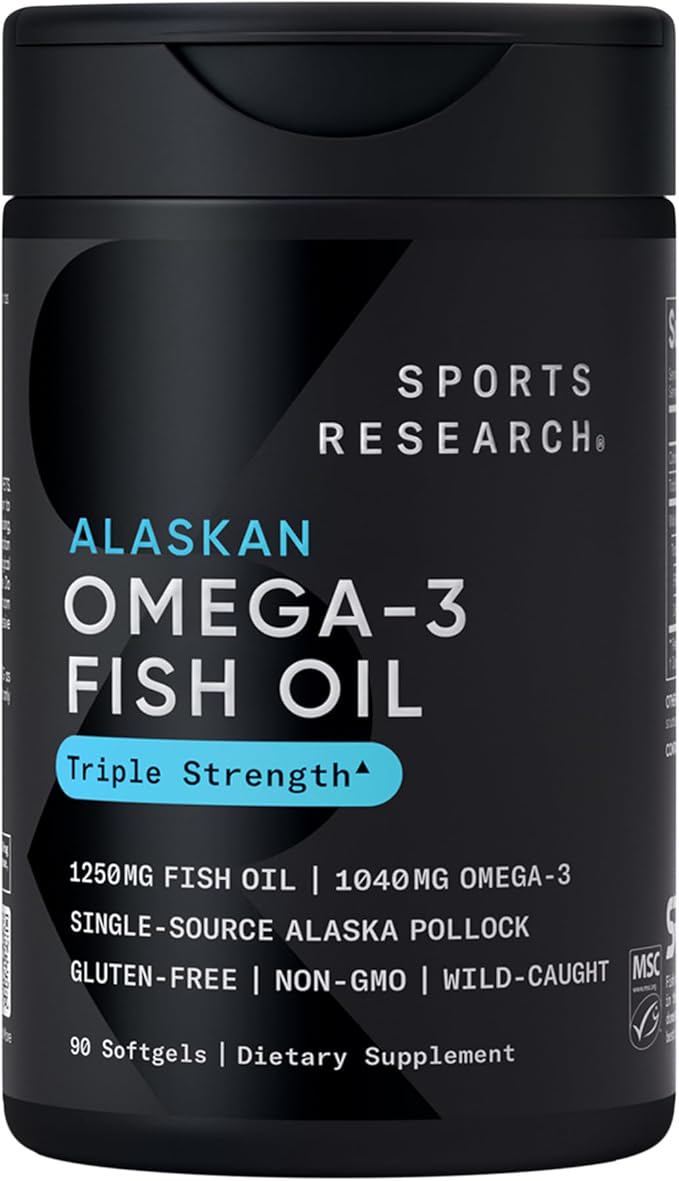
Salmon, mackerel, sardines, and other cold-water fish are rich in EPA and DHA, two long-chain omega-3 fatty acids known to reduce inflammation and modulate the stress response. A 2021 review in Nutrients found that regular omega-3 intake is linked to lower cortisol output, especially in people under chronic stress. Dietitians recommend two servings of fatty fish per week, but a single dinner portion can be a noticeable step in the right direction after a hard day.
2. Dark chocolate (in moderation)
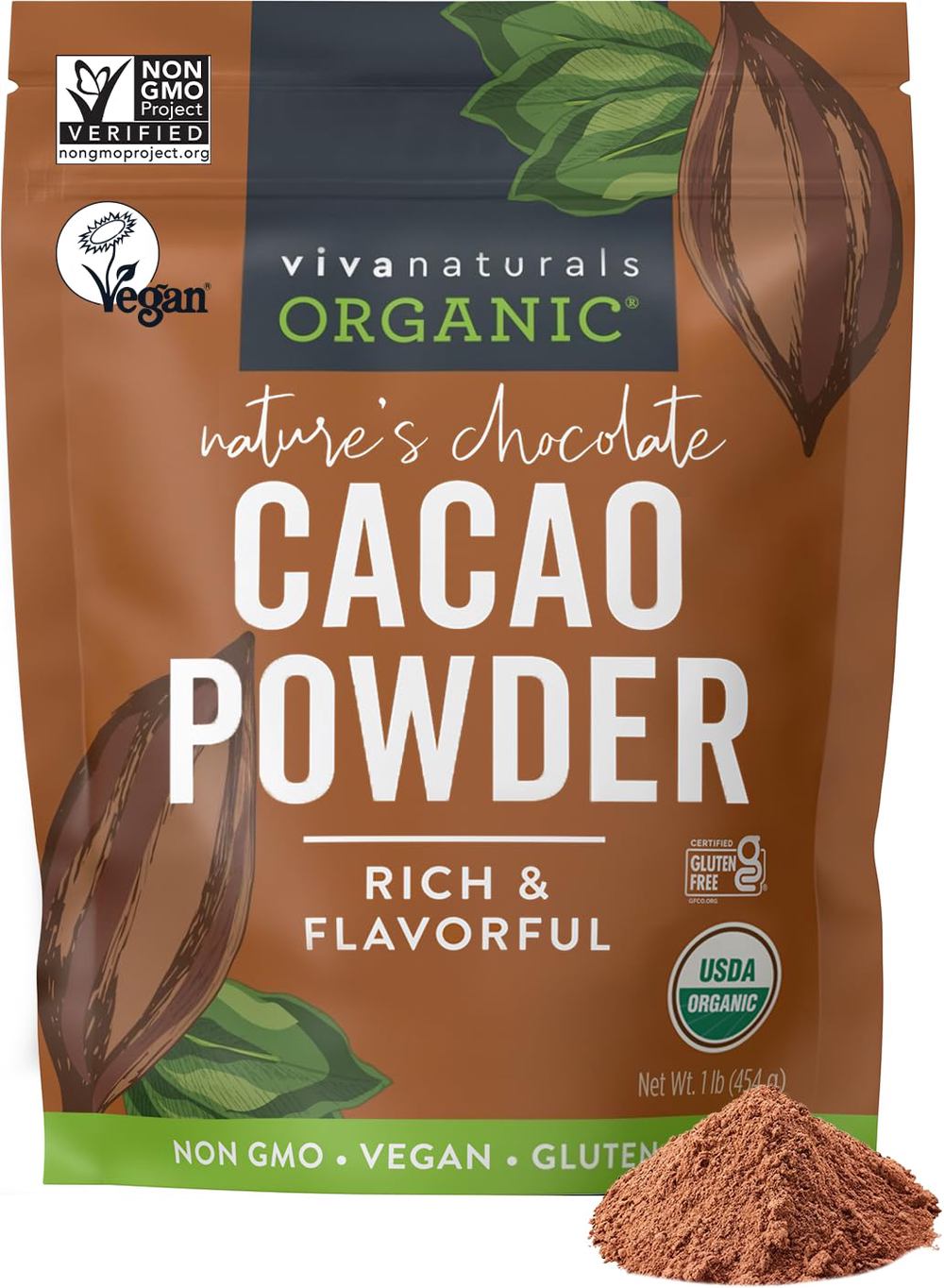
High-quality dark chocolate with at least 70 percent cocoa contains flavonols that may buffer the body's cortisol reaction. A small human trial published in the Journal of Proteome Research showed that participants who ate dark chocolate daily for two weeks had lower levels of stress hormones, including cortisol. The effect seems tied to the polyphenol content, which helps dilate blood vessels and improve circulation. One or two small squares after work can be a mindful ritual rather than a sugar binge — just watch the added sugar content.
3. Leafy greens for magnesium
Spinach, Swiss chard, kale, and other dark leafy greens supply magnesium, a mineral that regulates the hypothalamic-pituitary-adrenal (HPA) axis — the system that controls cortisol release. When magnesium levels are low, the body can become more reactive to stress. A 2017 study in Nutrients reported that magnesium supplementation helped reduce cortisol in stressed individuals. While supplements exist, food sources also deliver fiber, folate, and antioxidants. A warm sautéed greens side dish with dinner is a straightforward way to replenish magnesium stores.
4. Fermented foods for gut-brain balance
Yogurt, kefir, sauerkraut, kimchi, and miso contain live probiotics that support the gut microbiome. The gut-brain axis is a two-way communication network: a healthy microbial community can dampen the production of cortisol via the vagus nerve. A 2020 systematic review in Psychiatry Research found that probiotic-rich foods were associated with lower perceived stress and reduced cortisol awakening response. Dietitians suggest adding a serving of fermented food to one meal per day — for example, a dollop of plain yogurt on a grain bowl or a spoonful of kimchi alongside stir-fry.
5. Berries for vitamin C and antioxidants
Strawberries, blueberries, raspberries, and blackberries are packed with vitamin C and anthocyanins. Vitamin C is used by the adrenal glands during cortisol synthesis, and a deficiency can hamper the body's ability to manage stress. In a 2015 trial, participants given high-dose vitamin C reported less stress and faster normalization of cortisol after a public-speaking test. While the doses in that study exceeded what you'd get from berries alone, including a cup of mixed berries with breakfast or as a snack still contributes to a diet that supports hormonal balance.
6. Chamomile tea as a ritual
While not a food per se, chamomile tea deserves mention because of its long-standing use as a mild relaxant. A 2017 study in Phytomedicine found that long-term consumption of chamomile extract significantly reduced moderate-to-severe generalized anxiety symptoms and modestly lowered cortisol levels. The simple act of brewing and slowly sipping a warm cup can also serve as a behavioral cue to shift into rest mode. Dietitians often suggest a cup of chamomile about an hour before bed to pair the chemical effect with a calming routine.
Bottom line from dietitians: No single food is a magic cortisol eraser. But consistently including these nutrient-dense options in your diet — especially at times of acute stress — supports the body's natural ability to recalibrate.
Pair these foods with other stress-lowering habits such as short walks, hydration, and consistent sleep timing for the best results. Your plate is one tool in a larger toolkit, and small, intentional choices add up over time.