
If you struggle with persistent facial redness or a blotchy complexion, you may have already tried creams and serums to calm things down. But sometimes, the culprit isn't what you’re putting on your skin—it’s what you’re doing every day without a second thought. Small, repeated habits can keep the skin in a state of low-grade irritation or inflammation, preventing that redness from truly settling.
Let’s walk through six common daily routines that may be subtly fueling skin redness, and what you can do instead—without adding a dozen new products to your shelf.
1. Washing your face with water that’s too hot
A steamy shower or a very hot face wash might feel relaxing, but high temperatures strip the skin of its natural protective oils. This weakens the barrier and allows irritants to penetrate more easily. For anyone prone to redness, hot water can dilate blood vessels close to the skin’s surface—a temporary flush that can become chronic damage.
Try this instead: Wash your face with lukewarm water. If you love a hot shower, keep your face turned away from the direct stream, or rinse your face separately at the sink.
2. Over-scrubbing or using harsh physical exfoliants
Daily use of rough scrubs, loofahs, or gritty cleansing grains can cause micro-tears in the skin. While that “squeaky clean” feeling might seem satisfying, it often signals that your protective barrier has been disturbed. For sensitive or redness-prone skin, this leads directly to more visible inflammation.
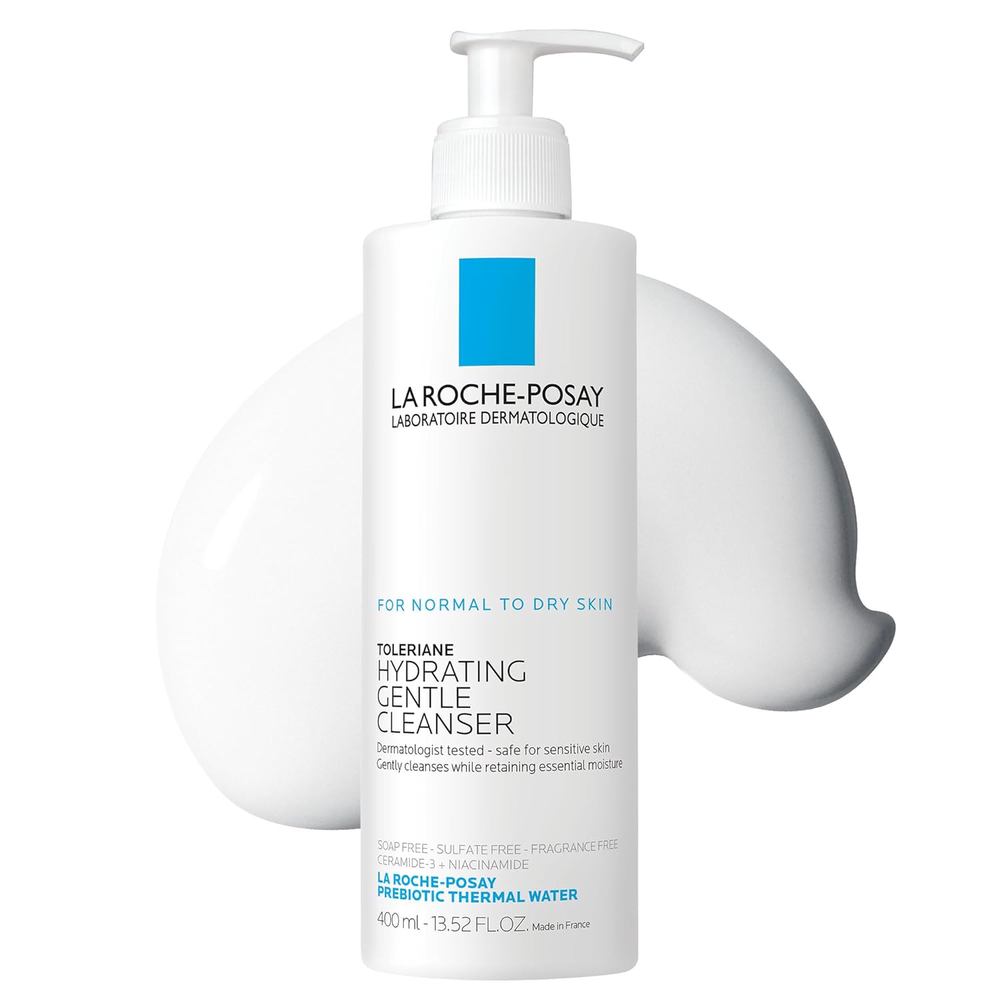
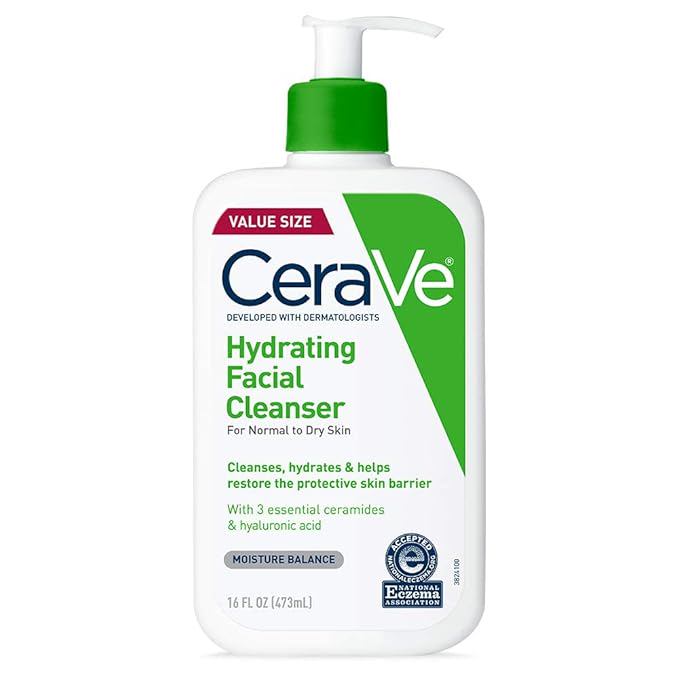
Try this instead: Switch to a gentle, non-abrasive cleanser and exfoliate chemically (with ingredients like lactic acid or PHA) no more than once or twice per week, if at all.
3. Skipping sunscreen or using the wrong SPF
This is a big one. Ultraviolet (UV) radiation is a major trigger for inflammation in the skin. It doesn’t just cause sunburn—it can worsen redness, rosacea, and general sensitivity. Not all sunscreens are equal here: some chemical filters may sting or heat up already reactive skin. The confusion around SPF ratings can leave people either under-protected or avoiding sunscreen altogether.
A broad-spectrum sunscreen with at least SPF 30 can block up to 97% of UV rays. But what matters just as much is how it feels on your skin. If you hate the texture, you won't reapply—and protection drops off after about two hours.
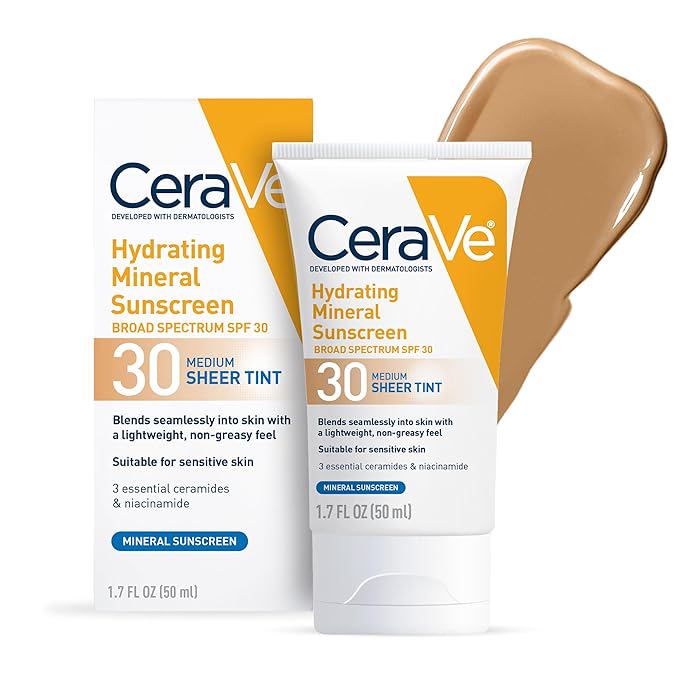
Try this instead: Look for a mineral-based sunscreen containing zinc oxide or titanium dioxide. These sit on top of the skin and reflect rays rather than absorbing into it, making them less likely to cause stinging or heat. Apply a full quarter-teaspoon to your face and neck, and reapply if you’re outdoors for more than two hours.
4. Eating a diet high in inflammatory triggers
What you eat shows up on your face. For many people, high-glycemic foods (think white bread, sugary drinks, and pastries) cause blood sugar spikes that drive inflammation. Spicy foods, alcohol, and very hot beverages can also cause temporary flushing by widening blood vessels. Over time, a daily diet rich in these items may keep the skin stuck in a red, reactive state.
Try this instead: There’s no need to cut everything out overnight, but try reducing your intake of sugary sodas, refined carbs, and alcohol for two weeks and see if your skin calms down. Anti-inflammatory foods like fatty fish, leafy greens, berries, and green tea can support a calmer complexion from the inside out.
5. Relying on harsh anti-acne or anti-aging active ingredients
Ingredients like retinol, benzoyl peroxide, and high-concentration vitamin C are powerful—but they can also be irritating when used daily or in high strengths combined. If you’re treating breakouts but ignoring the barrier repair step, you may be trading blemishes for redness.
Try this instead: Use actives only every other night, and always sandwich them between a gentle moisturizer. If your skin feels tight, stings, or looks redder than usual, give it a few days off and focus only on cleansing and moisturizing. Less can genuinely be more.
6. Touching your face or resting your chin in your hands
It sounds too simple to matter, but repeated physical contact transfers oils, bacteria, and dirt. Pressing your cheek against a phone screen or resting your head in your palm while reading can create localised heat and friction. That combination is a direct route to increased redness, especially along the jawline and cheeks.
Try this instead: Be mindful of how often your hands come into contact with your face. Clean your phone screen daily, and when you’re focused at a desk, keep a tissue nearby to dab your face instead of touching it directly. Over a week, those small changes add up.
Redness often isn’t caused by just one thing. It’s the slow stacking of several daily habits that, on their own, seem harmless. The good news is that adjusting just a few of these patterns can make a noticeable difference without overhauling your entire routine. Start with one change—like switching to a mineral sunscreen or washing with cooler water—and see what your skin tells you.