
You follow your routine every morning and night—cleanser, serum, moisturizer—so why do those tiny dark bumps on your nose and chin keep multiplying? Blackheads are stubborn, but sometimes the products you’re using to fight them are actually fueling the fire. Here are five warning signs that your current routine might be making blackheads worse, and what to do instead.
1. Your skin feels tight or stinging after cleansing
If your face feels squeaky clean, that’s often a red flag. Many foaming cleansers and acne washes strip away natural oils, leaving your skin tight, dry, or even slightly stinging. When your moisture barrier is compromised, your oil glands go into overdrive to compensate—producing more sebum that clogs pores and turns into blackheads.
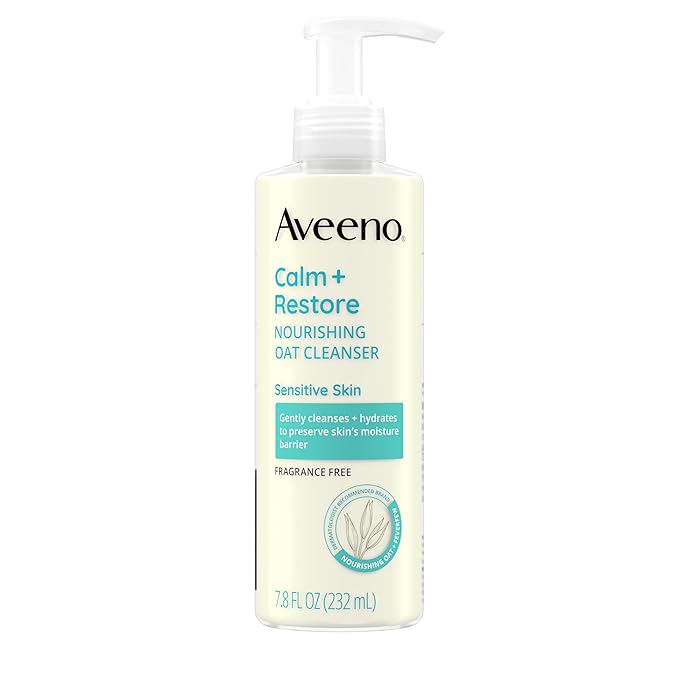
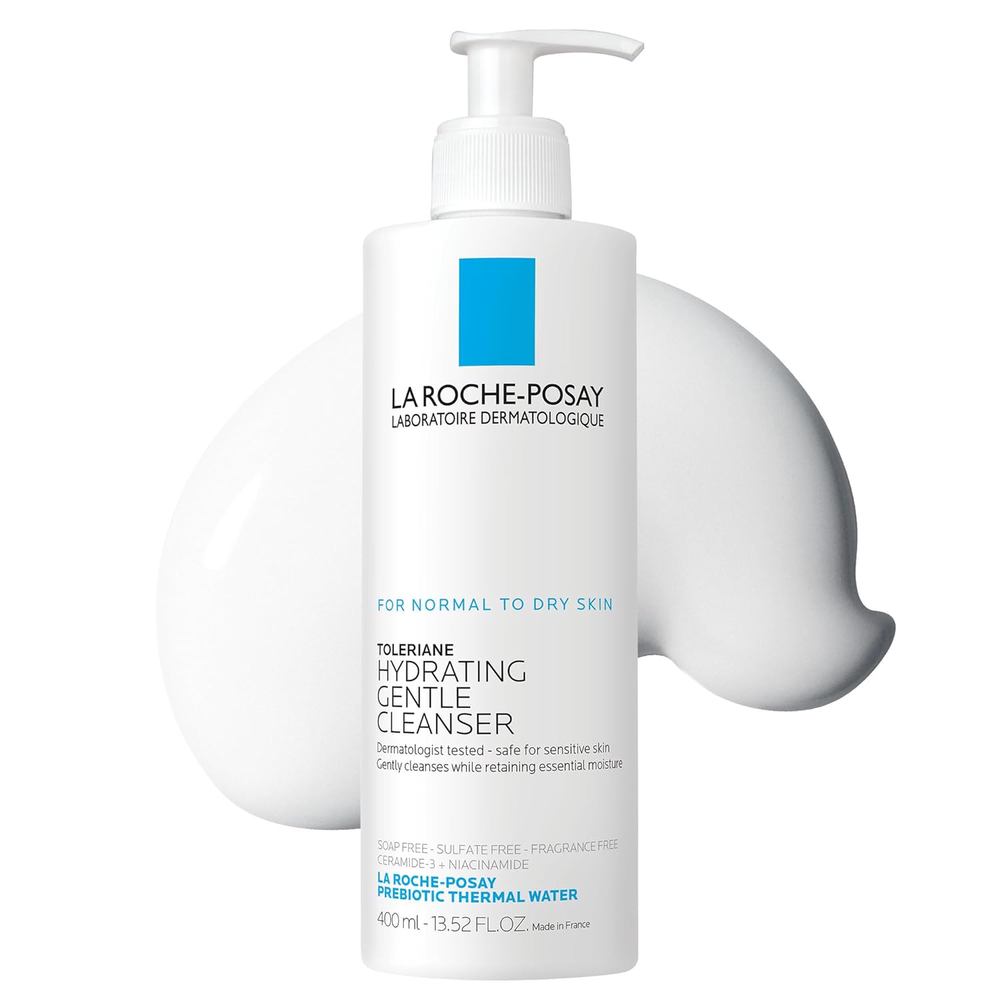
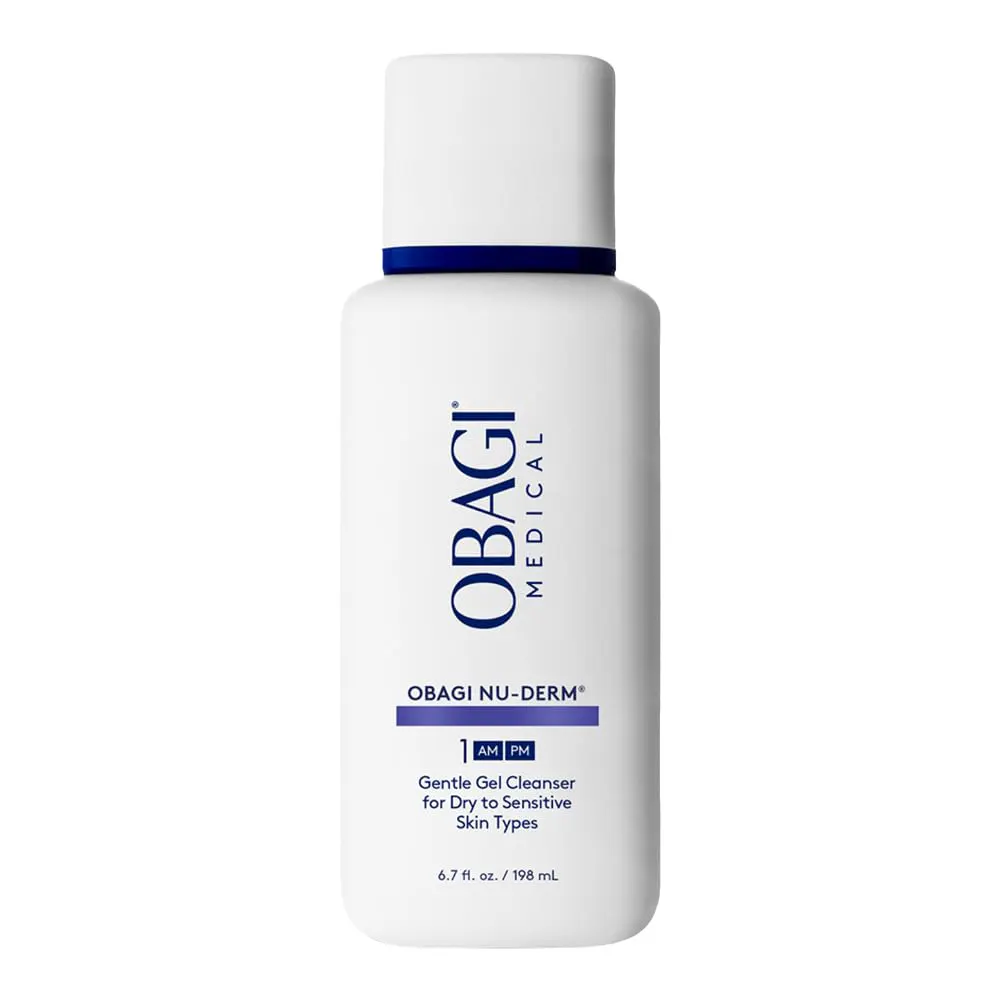
Switch to a gentle, non-stripping cleanser with a slightly acidic pH (around 5.5). Your skin should feel comfortable, not taut, after washing.
2. You’ve added a heavy moisturizer or occlusive oil
Not all moisturizers are created equal. Rich creams, butters, and heavy oils—especially those containing coconut oil, shea butter, or mineral oil—can sit on top of the skin and trap debris inside pores. If your blackheads have worsened since you started using a thick night cream or facial oil, it’s time to check the ingredient list.
Look for “non-comedogenic” on labels, but don’t trust it blindly. Gel-based or water-based moisturizers are usually safer bets for blackhead-prone skin.
3. You’re over-exfoliating (or using the wrong exfoliant)
Scrubbing your face every day with a gritty scrub, or layering acids like salicylic and glycolic too frequently, can backfire. Over-exfoliation damages the skin barrier, causing inflammation and micro-tears. In response, your skin can produce more oil and thicken its outer layer—exactly the opposite of what you want for clear pores.
A good rule: chemical exfoliation (like a gentle BHA) two to three times a week is enough for most people. Physical scrubs should be used sparingly, if at all.
4. You’re using alcohol-based toners or astringents
Those old-school toners that smell like rubbing alcohol might feel refreshing, but they’re often packed with denatured alcohol, witch hazel with high alcohol content, or menthol. These ingredients provide a temporary tightening sensation while actually stripping your skin. The rebound oiliness that follows can trap dead skin cells and sebum in your pores, making blackheads more visible and more frequent.
Opt for a hydrating toner with ingredients like niacinamide or hyaluronic acid instead. They help balance oil without the harsh effects.
5. You’re skipping sunscreen (or using a heavy one)
Sun damage thickens the outer layer of your skin, which can harden the keratin and oil inside pores—turning them into stubborn blackheads. At the same time, many sunscreens are thick, greasy, or formulated with ingredients that clog pores. If you’ve noticed more blackheads on the areas where you apply sunscreen, check the formula.
Look for a “matte finish,” “oil-free,” or “non-comedogenic” sunscreen. Zinc oxide and titanium dioxide mineral sunscreens are often better tolerated, but even some mineral formulas can be heavy—so test a small patch first. Daily broad-spectrum SPF 30 or higher is non-negotiable for skin health, but the texture matters just as much.
Pay attention to how your skin responds week by week. If you see a pattern—new blackheads cropping up after you introduced a product or changed a habit—adjust one variable at a time. Your skincare routine should be working with your skin, not against it.