
Skin that snaps back after you pinch it, that stays smooth and firm as you move through your day—that's elasticity at work. The fibers collagen and elastin give skin its bounce, but over time, those fibers break down. You may not notice the change immediately, but your skin sends signals long before sagging becomes obvious. Here are five warning signs that your skin's elasticity is declining, along with practical steps you can take to support its structure.
Sign #1: You notice fine lines that don't fade when you smile
When you smile, frown, or squint, your skin creases. In young, elastic skin, those creases disappear as soon as your face relaxes. If you see lines lingering for seconds or minutes after you stop making the expression, that's a sign your skin is losing its ability to bounce back quickly. The first place most people spot this is around the eyes and mouth. "Crow's feet" and nasolabial folds are often the earliest indicators that collagen production has slowed.
Sign #2: Your skin feels thin or papery to the touch
Elastic skin has a certain plumpness and resilience. When you run your fingers over cheeks or the backs of your hands, it should feel smooth and supple. If the texture shifts to something thinner, almost like crepe paper, that's a sign the dermis has thinned. This often happens alongside loss of hydration support—fewer glycosaminoglycans (like hyaluronic acid) means less water held in the skin, making it feel fragile.
A simple test: Gently pinch the skin on the back of your hand for a few seconds, then release. In healthy elastic skin, it snaps back within one or two seconds. If it takes longer, your skin's elastic fibers have weakened.
Sign #3: You see a loss of volume in your cheeks or temples
Skin isn't just a surface covering—it's a layered structure that sits over fat pads, muscle, and bone. As elastin and collagen degrade, the skin loses the scaffolding that holds those deeper structures in place. You may notice your cheeks looking flatter, shadows appearing under your eyes, or your temples looking slightly hollow. This isn't just about gravity; it's about the internal support system giving way.
Sign #4: Your skin sags or droops, especially around the jawline and neck
Perhaps the most visible sign of declining elasticity is sagging. The jawline may soften into a "jowl" appearance, and the skin under the chin can start to loosen. On the eyelids, extra skin may create a hooded look. These changes happen because gravity is no longer countered by strong elastin fibers. The skin stretches, and without the ability to contract back, it hangs loosely.
Sign #5: You develop more prominent pores or a "crepey" texture
Large pores are often blamed on oiliness or genetics, but they also appear when the surrounding skin loses its firmness. Without taut surrounding tissue, pores stretch open. Similarly, a crepey texture—where the skin looks wrinkled like a sheet of crepe paper—shows up on areas like the inner arms, knees, and chest. This is a direct sign that collagen and elastin are breaking down, leaving the skin without its smooth, tight structure.
What you can do to support skin elasticity
Declining elasticity is a natural part of aging, but you can take steps to slow the process and strengthen your skin's structure. These approaches focus on protection, nourishment, and stimulation—not quick fixes.
Protect your skin from UV damage
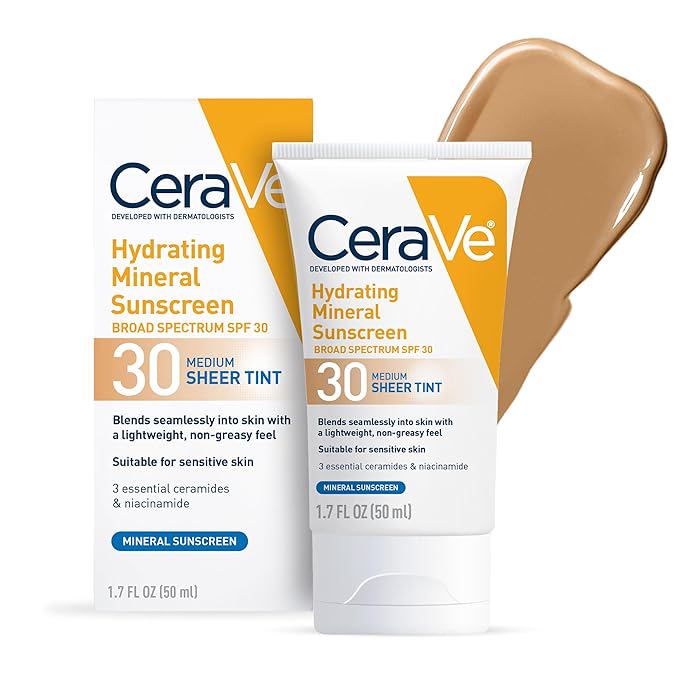
Sun exposure is the single biggest external cause of collagen and elastin breakdown. Ultraviolet rays penetrate deep into the dermis and generate free radicals that attack the skin's supportive fibers. Wear a broad-spectrum sunscreen with SPF 30 or higher every day, even indoors or during cloudy weather. Sun-protective clothing and hats add an extra layer of defense.
Use topical antioxidants and retinoids
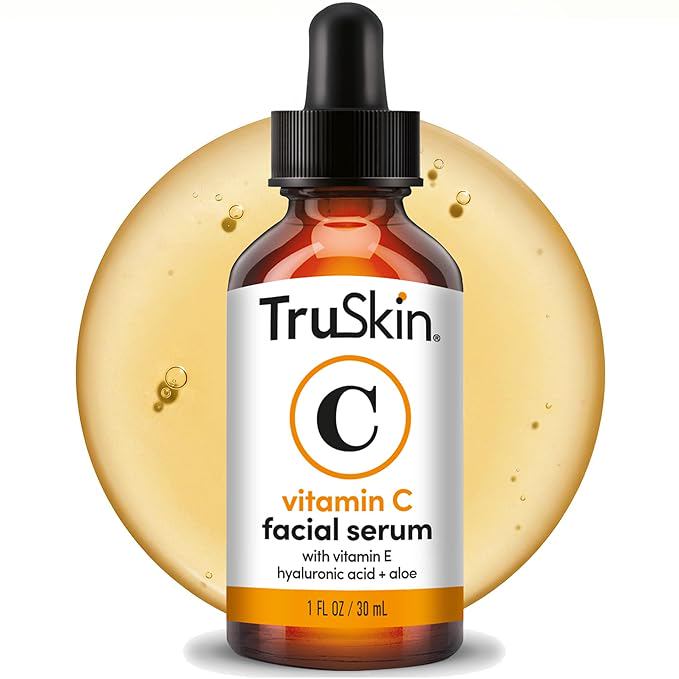
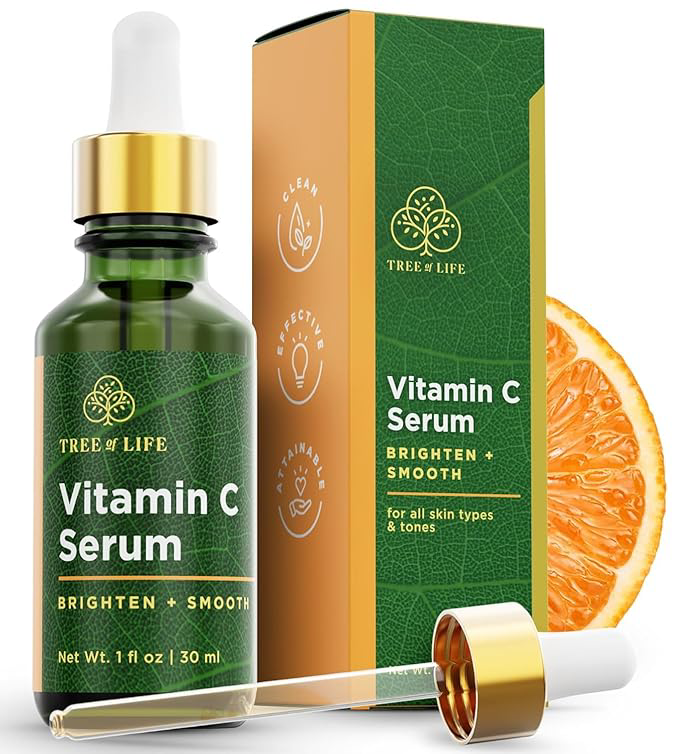
Vitamin C serums (in stable forms like L-ascorbic acid or ascorbyl glucoside) help protect existing collagen and stimulate new production. Retinoids—either over-the-counter retinol or prescription retinoids—increase cell turnover and signal the skin to produce more collagen. Start with a low concentration and use them only at night to avoid irritation. Moisturizers containing ceramides, peptides, or niacinamide also support the skin barrier and help maintain hydration.
Consider professional treatments
For more noticeable results, dermatologists offer treatments that stimulate collagen remodeling. Microneedling, radiofrequency, and laser resurfacing all create controlled micro-injuries that trigger the skin's repair process. Chemical peels can also improve texture and firmness by removing damaged outer layers. These treatments require a consultation with a qualified provider to determine the right approach for your skin type and goals.
Eat for skin health
A diet rich in protein (amino acids are the building blocks of collagen), vitamin C (found in citrus fruits, bell peppers, berries), and omega-3 fatty acids (from fish, walnuts, flaxseeds) supports skin structure. Limit sugar and processed foods—excess sugar can form advanced glycation end products (AGEs) that cross-link collagen and make it stiff and brittle.
Establish consistent habits
Sleep is when the body repairs itself, including skin tissue. Aim for seven to nine hours of quality rest. Manage stress through exercise, meditation, or other methods—chronic stress elevates cortisol, which can break down collagen over time. And drink plenty of water; while hydration alone won't restore elasticity, dehydrated skin appears more wrinkled and compromised.
Noticing one or more of these signs doesn't mean your skin can't improve. Many of the changes are gradual, and the skin has a remarkable capacity for repair if given the right support. Start with the simple steps—sunscreen, good nutrition, a consistent skincare routine—and consult a dermatologist if you're concerned about more advanced changes. Small, consistent actions add up over time.