It can be easy to mistake a damaged skin barrier for simple oiliness. When your face feels greasy by midday, you might reach for a mattifying cleanser or skip moisturizer. But if that shine is paired with redness, stinging, or rough texture, your skin may be sending a different signal—one that says the protective outer layer is compromised, not just producing excess sebum.
Your skin barrier, also known as the stratum corneum, is the outermost layer of your epidermis. It functions like a brick wall: skin cells are the bricks, and lipids (ceramides, fatty acids, and cholesterol) are the mortar. When that mortar is intact, your skin stays hydrated and protected against irritants. When it’s damaged, water escapes and triggers can get in. Below are five signs that your skin barrier is struggling, along with tips for restoring balance.
1. Your skin stings or burns after applying products
A healthy barrier should tolerate your usual skincare routine. If you suddenly feel a sting, burn, or itch when you apply a moisturizer or sunscreen you’ve used for months, that’s a red flag. This reaction often means that the barrier has become too thin or porous, allowing ingredients to penetrate deeper into the nerve endings. Products that never bothered you before—even gentle ones—can start to cause discomfort.
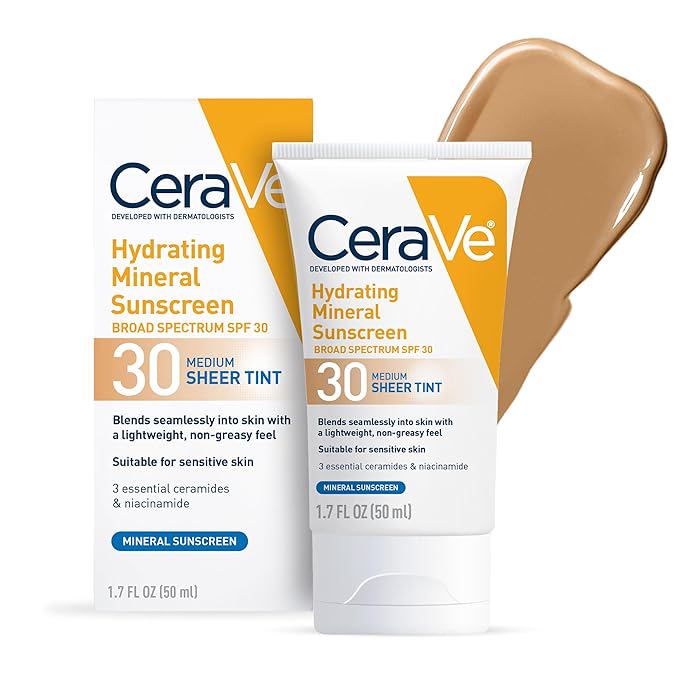
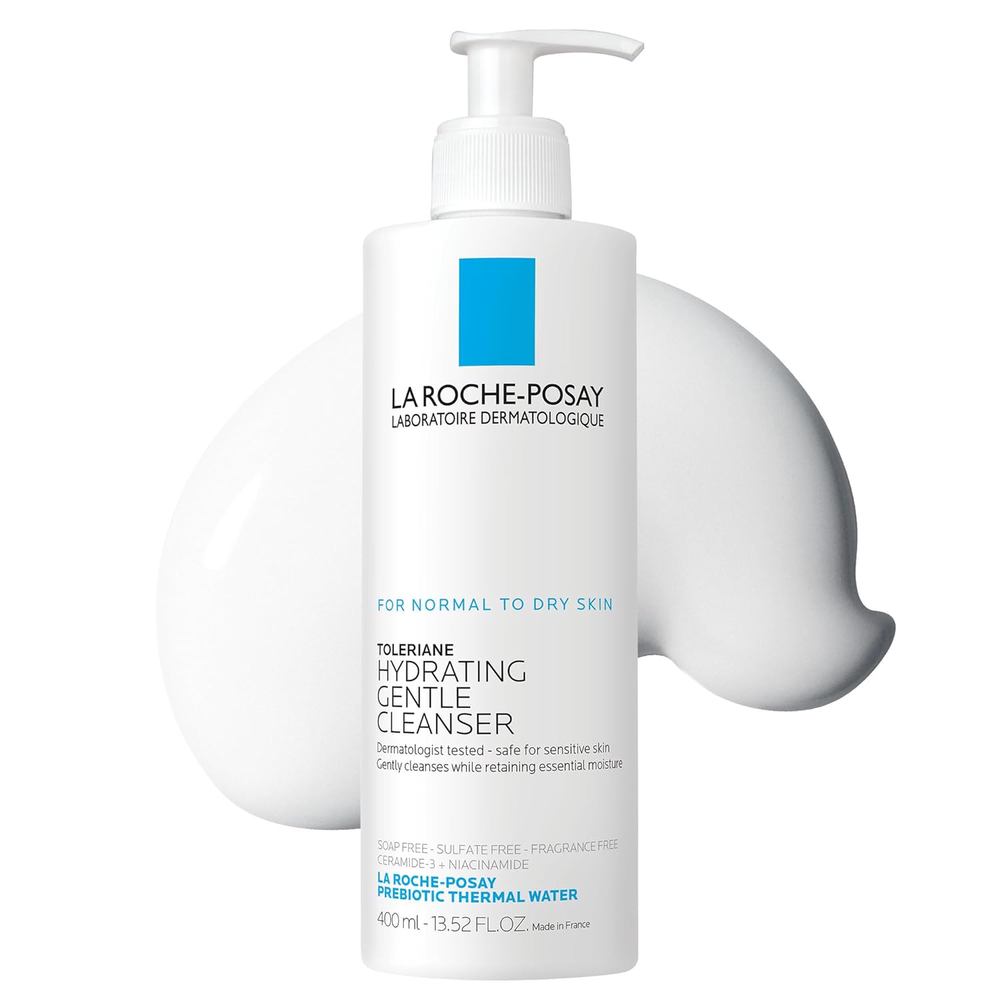
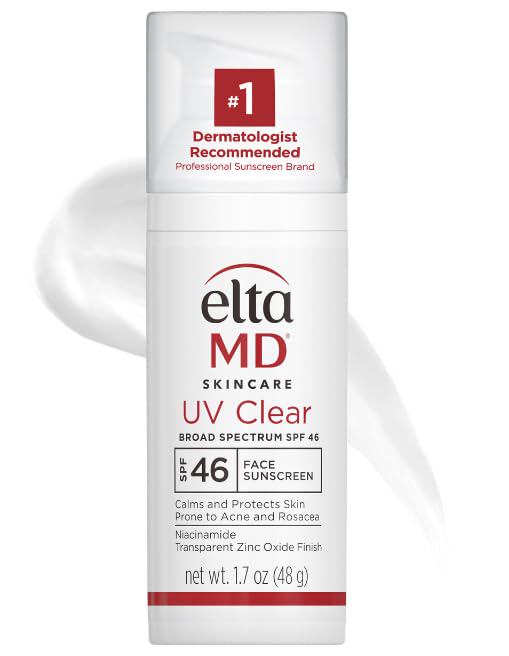
Strong actives like retinol, vitamin C, or alpha-hydroxy acids are frequent culprits, but even hyaluronic acid or niacinamide can irritate when the barrier is impaired. If stinging persists, pause all exfoliating and active ingredients for a few days. Focus on a three-step routine: a mild cleanser, a barrier-repair moisturizer, and a mineral sunscreen.
2. Persistent redness and inflammation
Redness that doesn’t fade is another clear sign. While oily skin can look flushed after a workout or a hot shower, a compromised barrier often keeps a chronic red or blotchy appearance. This happens because the skin’s immune cells become more reactive when the protective layer is weak. You might also notice small bumps that look like acne but don’t have a whitehead—these are often tiny inflammatory papules, not true pimples.
Unlike typical acne, barrier-related redness and bumps tend to appear on the cheeks, around the nose, and on the chin, often in a symmetrical pattern. If you see this kind of widespread redness, it’s time to simplify your routine and avoid anything labeled “exfoliating,” “clarifying,” or “pore-refining.”
3. Flaking or peeling without noticeable dryness
Oily skin can flake too. It’s a common misconception that only dry skin peels. When your barrier is damaged, the natural shedding process (desquamation) gets disrupted. Skin cells can clump together and flake off, even while your sebaceous glands continue pumping out oil. You might notice tiny white flakes in your eyebrow area, along your hairline, or on the sides of your nose—right where the T-zone is oiliest.
This contradictory state is called “dehydrated oily skin.” The surface feels greasy to the touch, but the deeper layers are lacking water. Reaching for alcohol-based toners or oil-stripping foams will only make the flaking worse. Instead, use a gentle hydrating toner and a lightweight, non-comedogenic moisturizer that contains barrier-repairing ingredients such as squalane, glycerin, and ceramides.
4. Tightness and discomfort after cleansing
You expect a slight clean feeling after washing your face, but a tight, stretched sensation is not normal. If your skin feels like it’s pulling—especially around the mouth and cheeks—within a minute of patting dry, your barrier likely needs help. This is often caused by harsh surfactants in foaming cleansers that strip away protective oils along with dirt.
To test this, wash your face with your current cleanser and wait 30 seconds without applying anything. If your skin feels tight, you may need to switch to a gentle, non-foaming (cream or milk) cleanser. Even if you have very oily skin, avoid “degreasing” washes. A balanced barrier actually helps regulate oil production over time.
5. Breakouts in unexpected places
Not all breakouts are from clogged pores. A weak barrier can cause something called “stress acne” or “barrier acne.” These breakouts often appear on the lower cheeks, jawline, or neck—areas that might not typically break out for you. The pimples tend to be smaller, redder, and more irritated than standard whiteheads, often appearing in clusters.
This happens because irritants and bacteria can penetrate the compromised barrier more easily, triggering an immune response in hair follicles. Overusing acne treatments—especially salicylic acid, benzoyl peroxide, or retinoids—can make this worse. If you find that your usual acne spot treatments are making the breakouts more inflamed, stop all actives for a week and focus entirely on barrier repair. After that, reintroduce acne-fighting ingredients slowly, no more than a few nights per week.
How to help your barrier recover
The good news is that the skin barrier can usually repair itself within a few weeks, given the right conditions. Here’s what to prioritize:
- Stop all exfoliants for at least 7–14 days. This includes AHAs, BHAs, retinol, and physical scrubs.
- Use a gentle, pH-balanced cleanser (look for one labeled “non-foaming” or “cream-based”).
- Apply moisturizer to damp skin to help lock in water. Choose one with ceramides, fatty acids, niacinamide, or panthenol.
- Include a mineral sunscreen (zinc oxide or titanium dioxide) every day. Sunlight degrades barrier lipids.
- Layer a gentle occlusive like squalane or petrolatum at night if your skin feels very tight.
Once signs like stinging and redness fade, you can very slowly reintroduce one active product at a time. Patience is key—a compromised barrier didn’t develop overnight, and it won’t heal overnight either.