Many of us accept a few pimples around that time of the month as a fact of life. The hormonal shifts that drive your menstrual cycle can absolutely trigger breakouts, especially along the jawline and chin. But how do you know when those blemishes are signaling something more than a routine flare-up? Period acne is common, but severe or persistent acne that follows a specific pattern may point to an underlying condition like polycystic ovary syndrome (PCOS), hormonal imbalance, or even a reaction to your contraceptive method.
Understanding the difference between a normal cyclical breakout and a warning sign for something deeper can help you decide when it’s time to talk to a healthcare provider. Below are five signs that your period-related acne may be more than just a typical breakout.
1. Your acne appears in unusual places or patterns
Standard hormonal acne tends to cluster along the lower face—the jawline, chin, and sometimes the neck. If your breakouts routinely show up on your cheeks, forehead, chest, or back, that distribution could indicate a different driver. Similarly, if you suddenly develop deep, painful cysts rather than the usual surface whiteheads or blackheads, this shift in severity and location is worth noting. A change in pattern—especially if it happens outside of your normal menstrual window—can mean your hormones are responding to something new, such as stress, diet, or a change in birth control.
2. Your breakouts last well beyond your period
Typical period acne appears a few days before your period starts and begins to clear once menstruation ends. That timeline mirrors the rise and fall of progesterone and estrogen. If your pimples linger for weeks after your period, or if you never get a clear window between cycles, your skin may be reacting to a chronic elevation in androgens like testosterone. This persistent pattern is one of the hallmarks of PCOS and other endocrine conditions. You might also notice that over-the-counter spot treatments don't seem to help as much as they used to.
3. The acne is accompanied by other period-related symptoms
Your skin does not exist in isolation. If your period acne comes with a cluster of other symptoms—such as irregular or missed periods, unusual hair growth on the face or chest, thinning scalp hair, significant weight changes, or severe cramps—these are clues that a broader hormonal imbalance may be at play. PCOS, thyroid disorders, and adrenal fatigue can all manifest through both skin issues and menstrual irregularities. Even if your skin looks manageable, a pattern of multiple symptoms is a strong reason to see a gynecologist or an endocrinologist.
4. Your breakouts began or worsened after starting birth control pills
Birth control pills are often prescribed to help control acne, and many people find their skin improves dramatically on the pill. But that’s not true for everyone. Progestin-only pills (the mini-pill) and some combined pills with androgenic progestins can actually trigger or worsen acne in certain individuals. The reason lies in how these synthetic hormones interact with your skin’s oil glands and follicles. If you started a new contraceptive three to six months ago and noticed a clear uptick in breakouts, that timing is highly suggestive. The pill works by suppressing ovulation and altering your natural hormonal cycle, and for some people that shift can backfire on the skin.
It is also worth noting that when you stop taking birth control pills, your natural hormones may surge back, leading to a post-pill acne flare that can last several months. This is not a sign of disease, but it can feel alarming if you are not prepared for it.
5. Over-the-counter acne treatments and lifestyle changes do not make a dent
Normal breakouts usually respond reasonably well to consistent use of benzoyl peroxide, salicylic acid, or gentle retinoids. If you have been using a solid skincare routine for at least eight to twelve weeks and see little to no improvement—or if your acne is actively getting worse—you have crossed into a territory where professional help is likely needed. Dermatologists and gynecologists can evaluate whether prescription-strength treatments, hormonal therapy (such as spironolactone or a different birth control pill), or advanced procedures like chemical peels or laser therapy are appropriate.
Worth repeating: do not attempt to manage severe, persistent acne on your own if it is accompanied by other symptoms. Self-treating with higher-strength products can cause irritation, scarring, and post-inflammatory hyperpigmentation, especially on deeper skin tones.
When to see a doctor and what to expect
If any of these five signs resonate with your experience, consider booking an appointment with your primary care provider, a gynecologist, or a board-certified dermatologist. They will likely ask about your menstrual history, your current skincare routine, any medications you take (including birth control), and whether you have noticed other physical changes. Blood tests may be ordered to check hormone levels, including testosterone, DHEA-S, and thyroid function.
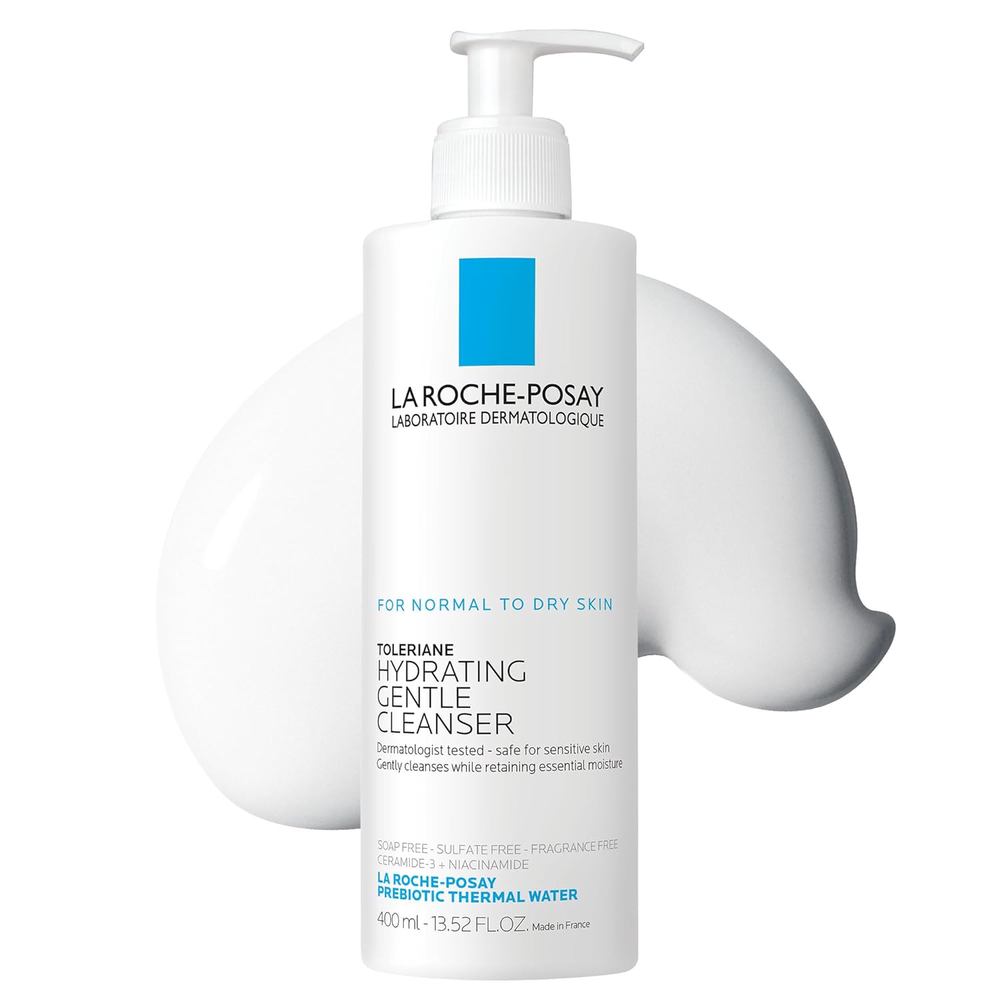
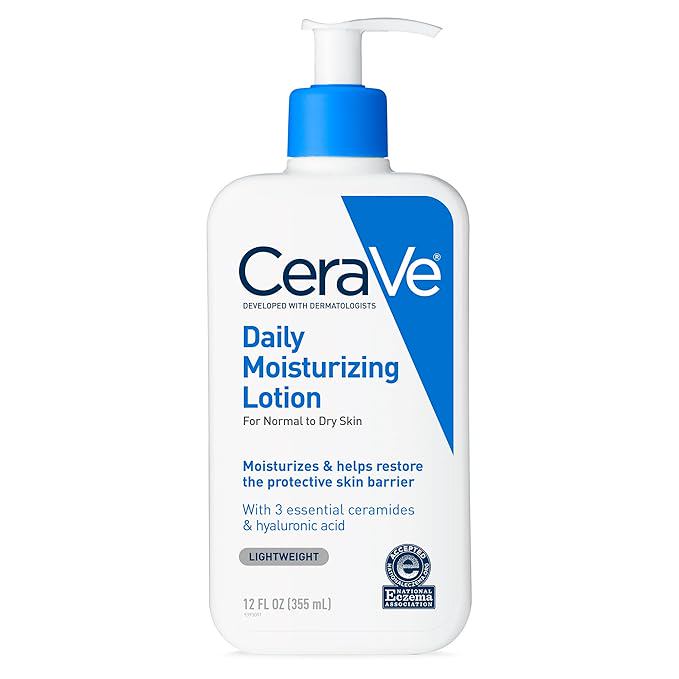
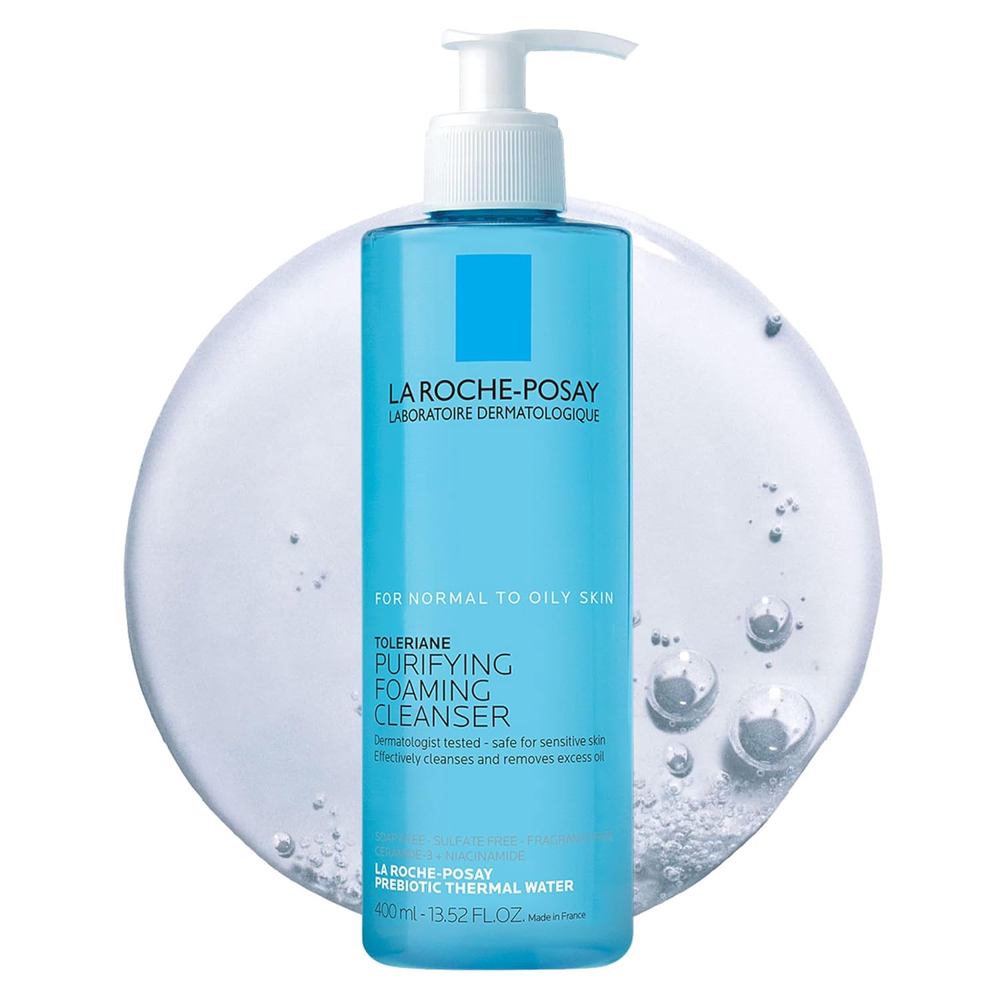
A quick note on self-care: While you explore what is causing your breakouts, be gentle with your skin. Avoid harsh scrubs, aggressive picking, or layering too many active ingredients. A simple routine—gentle cleanser, non-comedogenic moisturizer, and sunscreen—will protect your skin barrier and prevent additional irritation.
Your menstrual cycle is a finely tuned system of hormonal rises and falls that affects far more than your period. Acne is just one possible signal, but it can be an important one. Paying attention to timing, location, persistence, and companion symptoms will help you distinguish between a normal breakout and a clue that something deeper is worth investigating.