
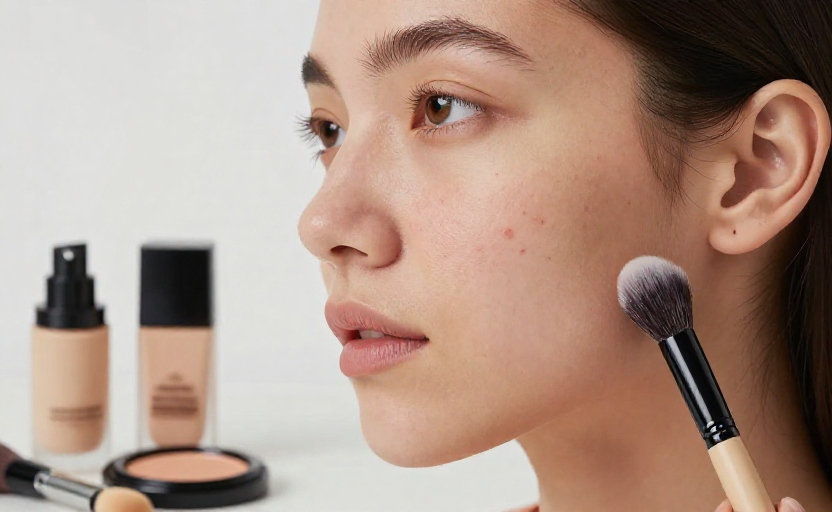
You’ve been diligent with your skincare routine—cleansing, moisturizing, maybe even a weekly mask. Yet those small bumps and inflamed spots keep appearing, especially on your cheeks, chin, or forehead. Before you blame your moisturizer or your diet, take a hard look at your makeup bag. The products you apply every morning might be silently sabotaging your complexion.
Cosmetic acne, sometimes called “acne cosmetica,” is a real thing. It happens when certain ingredients in foundations, concealers, powders, and even blush block your pores or irritate the skin over time. The good news? Once you recognize the signs, you can make easy swaps and adjust your routine. Here are five warning signals that your makeup could be contributing to breakouts—and what to do about them.
1. You’re Seeing Small, Uniform Bumps (Not Angry Pimples)
Not all breakouts look like red, inflamed cysts. One of the earliest signs of pore-clogging makeup is a crop of tiny, flesh-colored bumps that feel rough to the touch. These are often closed comedones—basically, pores that have been sealed off by a mixture of oil, dead skin, and product buildup. They tend to appear in clusters on areas where you apply the most product: the cheeks, the chin, the forehead, or around the nose.
If you notice these bumps appearing a few days after starting a new foundation or concealer, that’s a strong clue. Mineral oil, silicones (like dimethicone), and certain waxes are common culprits. These ingredients sit on the skin’s surface and, for some people, create a barrier that traps everything underneath.
2. Your Skin Looks Dull or Congested—Even After Cleansing
Take a close look at your skin after you’ve removed all your makeup at night. If your complexion still looks a little gray, tired, or uneven, it might mean your makeup is leaving a residue that your regular cleanser isn’t fully dissolving. Over time, that residue builds up inside the pore, mixing with sebum and debris to form a plug.
Congested skin often feels slightly gritty or bumpy, especially along the jawline or near the hairline. If you’re double cleansing (oil cleanser followed by a water-based one) and still seeing this texture, the issue may be the makeup itself. Try swapping to a non-comedogenic foundation that’s specifically labeled as “oil-free” or “won’t clog pores.” Even better? Choose one with a lighter, more breathable formula.
3. Breakouts Are Concentrated in Makeup-Hotspots
Think about where your pimples usually show up. Widespread breakouts across the whole face might point to hormones or diet. But if you consistently see breakouts only along your chin, cheeks, or around your eyes—exactly where you apply the most coverage—that’s a direct sign that your makeup is involved.
For example, a heavy concealer under the eyes can cause milia (those tiny, hard white cysts). A thick foundation on the cheeks can trigger clogged pores. A lipstick or lip stain might cause little bumps around the lip line. The pattern is the clue. If you can map your breakouts to specific makeup applications, the product is almost certainly part of the problem.
4. Your Skin Reacts Within Hours of Application
Some people experience a more immediate reaction—what dermatologists call irritant contact dermatitis. Within a few hours of putting on makeup, you might notice redness, itching, stinging, or small red bumps that feel warm. This isn't classic acne, but it can lead to breakouts as your skin’s barrier becomes irritated and more prone to inflammation.
If you suspect a particular product, check the ingredient list for fragrances, essential oils, or alcohol. These are common irritants, even if they don’t directly clog pores. A good test: stop using the product for a week and see if the irritation calms down. If it does, the makeup is likely the trigger.
5. You’ve Increased Your Skincare Routine (Without Results)
You’ve added a salicylic acid toner, a niacinamide serum, maybe even a retinol—and yet, your breakouts persist. This is a classic scenario that often leads to frustration. When your skincare products are fighting one battle (pore clearing) while your makeup is actively creating new blockages every day, you’re spinning your wheels.
Makeup ingredients that are known to be comedogenic include certain oils (coconut oil, cocoa butter, wheat germ oil) and isopropyl myristate, a common emollient that can be highly pore-clogging for some skin types. Even “clean” or “natural” makeup can be problematic if it relies on heavy plant butters and oils. The solution: look for products labeled “non-comedogenic,” but don’t stop there—learn to read ingredient lists. If your skin is sensitive to a specific ingredient, even a “safe” label may not protect you.
A quick tip: Keep a makeup diary. Write down what you used and how your skin looks the next day. Within two weeks, you’ll see a pattern that helps you identify the culprit.
None of this means you have to give up makeup entirely. It just means being more intentional about what you apply. Many people find that switching to a mineral powder foundation, or at least a lightweight liquid formula with minimal ingredients, makes a significant difference. And never underestimate the power of a thorough, gentle nightly cleanse—especially if you’ve worn makeup all day.
If you suspect your current routine is causing trouble, consider a two-week break from all products except a gentle cleanser and a non-comedogenic moisturizer. Then slowly reintroduce one makeup item at a time. That’s the most reliable way to know for sure which products are friend or foe.
Your skin is always giving you feedback. Paying attention to these five signs is the first step toward a clearer, happier complexion—without ditching your makeup bag entirely.


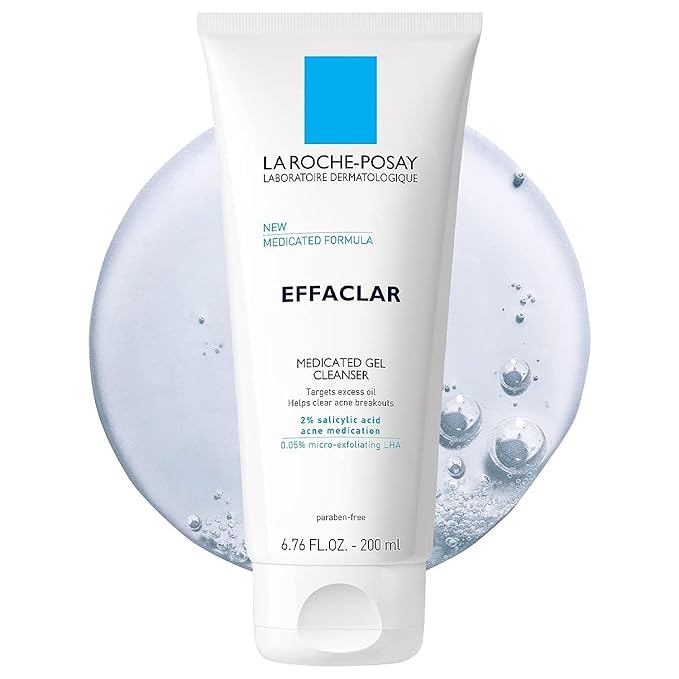

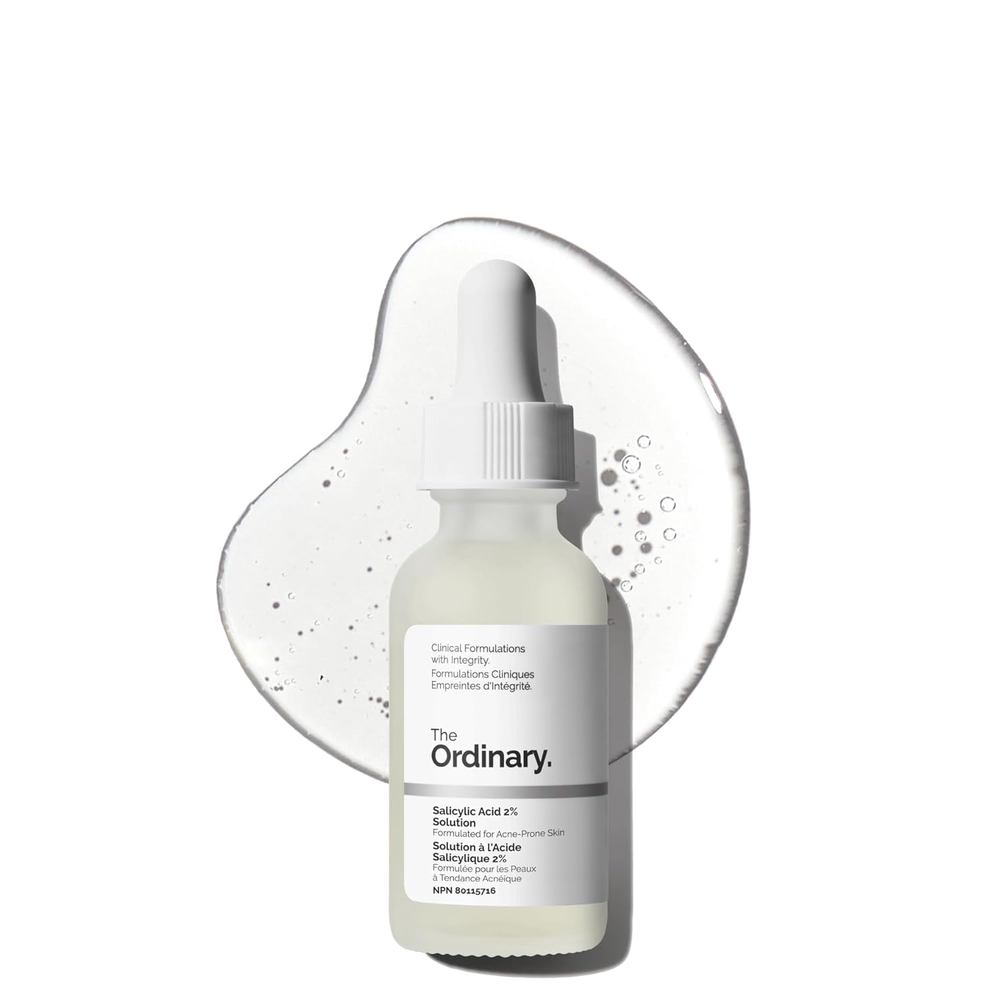
![[Cosrx] Salicylic Acid Daily Gentle Cleanser 150milliliter / Foam Cleanser for Blemish Skin](https://www.glowtheorylab.com/uploads/ad202604/7463f69bd2bbc7c5.webp)