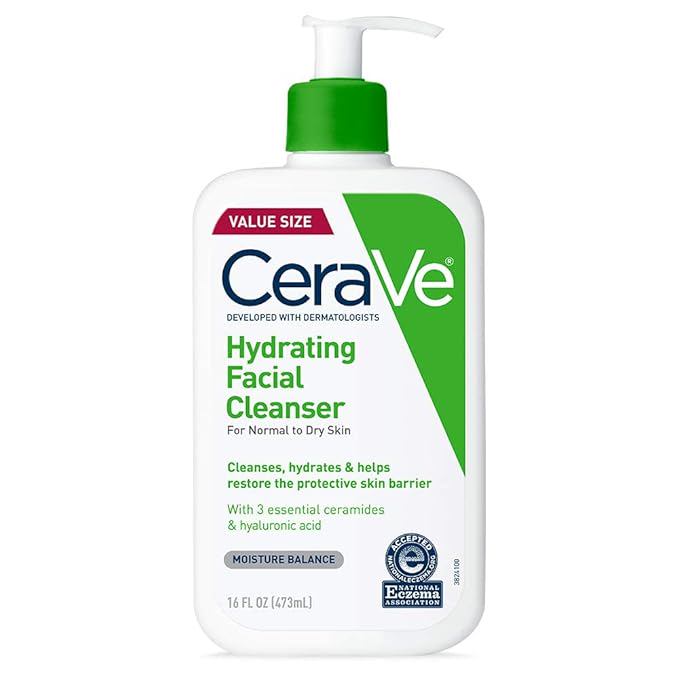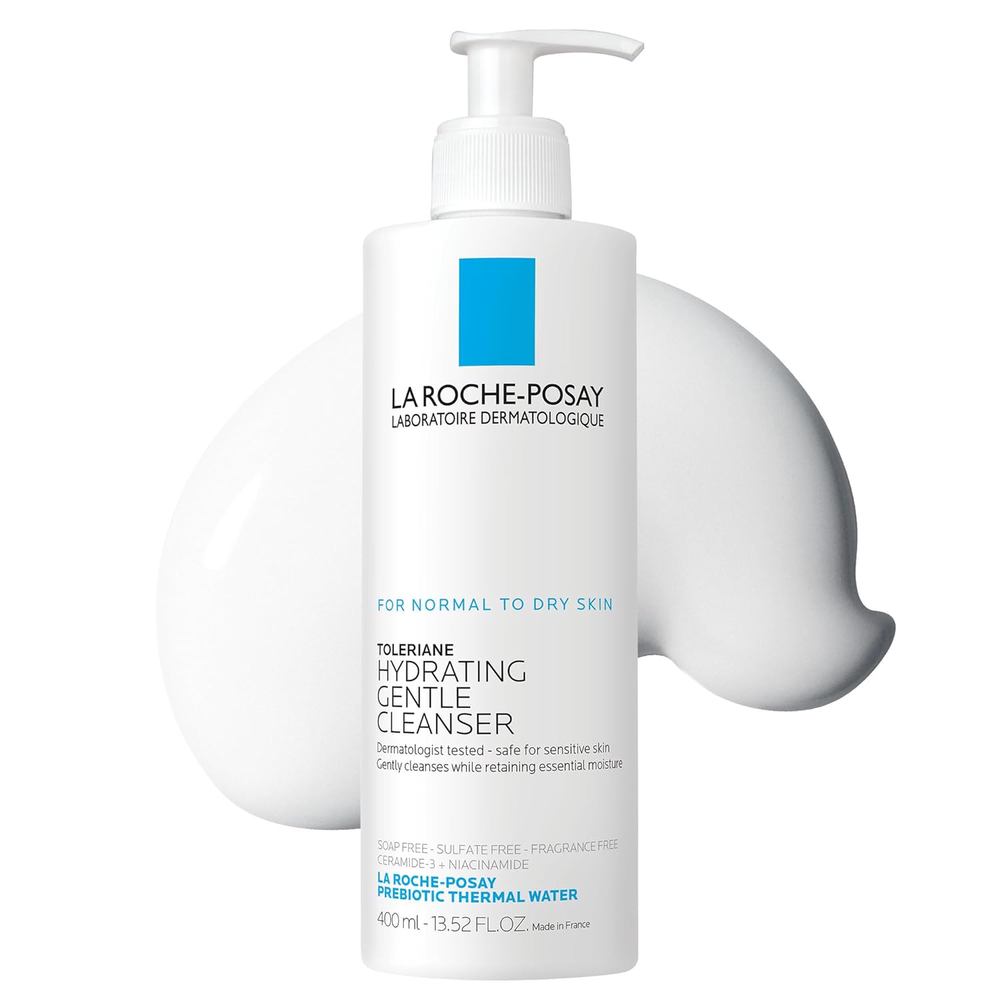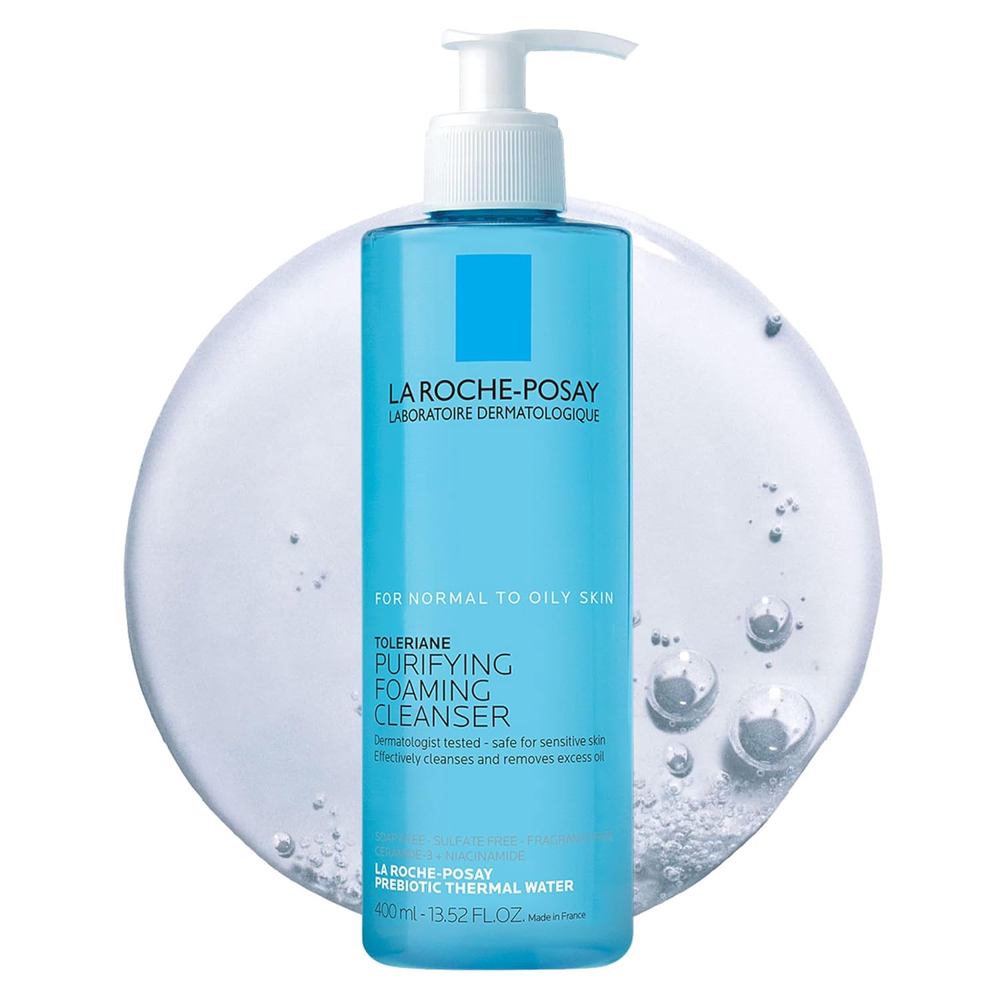

Combination skin can feel like a daily negotiation. One moment, your forehead is a beacon of shine; the next, your cheeks feel tight and thirsty. You might have settled into a routine that seems to work—or at least, doesn't make things worse. But sometimes, your skin starts sending subtle signals that the current approach is no longer a good fit. Recognizing these signs is the first step toward finding a more balanced, comfortable regimen.
How do you know if your combination skin routine needs a change?
The key is to listen to what your skin is telling you. It communicates through texture, comfort, and appearance. A routine that's truly working for combination skin should leave you feeling balanced—not fighting oil in one zone while battling dryness in another. If you're noticing persistent issues that your current products aren't resolving, it's likely time for a reassessment.
Your T-Zone is Consistently Oily by Midday
It's normal for the forehead, nose, and chin (the T-zone) to produce more oil. However, if you find yourself blotting or powdering excessively every single day, and the shine returns aggressively within a few hours, your cleanser or moisturizer might be too harsh. Stripping the skin of all its natural oils can trigger a rebound effect, causing your oil glands to work overtime. Your routine should aim to manage oil, not declare war on it.
A good combination skin routine controls shine without provoking a sebum rebellion.
Your Cheeks Feel Tight or Flaky
While your T-zone shines, the drier areas of your face—typically the cheeks—should feel comfortable and supple. If they often feel tight, itchy, or you notice flakiness, especially after cleansing, your products are likely too drying for those zones. Many people with combination skin mistakenly use products formulated for oily skin all over, which can desiccate the drier regions. This is a clear sign you need a more targeted, zone-specific approach.
You're Experiencing Breakouts in New Areas
Breakouts along the T-zone are common. But if you start seeing consistent pimples or congestion in typically dry areas, like your cheeks or jawline, it's a red flag. This can happen if a moisturizer is too rich for your whole face or if a product is clogging pores in areas that can't handle the extra weight. Your skin's needs may have shifted, requiring a lighter touch on those drier zones.
Your Makeup Separates or Looks Patchy
Your makeup can be an excellent diagnostic tool. If foundation consistently cakes on dry patches while sliding off oily areas a few hours in, it's not a makeup problem—it's a skincare problem. This uneven canvas is a classic symptom of imbalanced skin hydration. A proper routine should create a more uniform base, so your makeup applies smoothly and lasts longer.
Your Skin Feels Uncomfortable or Reactive
General discomfort—stinging when you apply products, persistent redness, or a feeling of sensitivity—means your skin barrier is likely compromised. This is often the result of using too many active ingredients (like acids or retinols) without adequate hydration or using stripping cleansers. Combination skin needs a gentle touch to keep both oily and dry areas healthy and resilient.
Shifting to a Routine That Works
Addressing these signs doesn't require a complete overhaul overnight. Start by observing which products might be causing the issue. Often, the fix involves two simple strategies: using a gentle, balanced cleanser for your entire face, and then applying different moisturizers or treatments to different zones. A light, gel-based moisturizer works well for the T-zone, while a more emollient cream can comfort dry cheeks. The goal is harmony, not uniformity.
Listen closely. When your combination skin is happy, the entire face feels comfortable, looks balanced, and behaves predictably. It’s a worthwhile goal that starts with heeding the warnings your skin is already giving you.