
Hormonal acne is frustrating, especially when it seems to appear out of nowhere despite a consistent skincare routine. You might be blaming your diet, your product lineup, or your genetics, but there is another major player that often gets overlooked: stress. When your body is under chronic pressure, it releases cortisol and other hormones that can directly trigger breakouts, even if you’re doing everything else right. Here are five specific signs that your hormonal acne may have a stress component, not just a skin-deep cause.
1. Your breakouts flare during high-pressure periods
One of the clearest clues is timing. If you notice that your acne worsens during exam weeks, big work deadlines, or personal upheavals—and then calms down when life settles—that’s a strong signal. Stress-induced breakouts often show up along the jawline, chin, and lower cheeks, which is the same distribution as classic hormonal acne. The difference is the trigger: instead of a predictable monthly cycle, the flare follows psychological pressure. Ask yourself: did this breakout coincide with a sleepless week or an emotional event? If yes, stress is likely a contributor.
2. Your acne is persistent and doesn’t respond to typical topicals
You've tried salicylic acid, benzoyl peroxide, and maybe even a prescription retinoid, but the breakouts keep coming back in the same spots. This pattern suggests the underlying cause isn’t just clogged pores or surface bacteria—it’s internal chemistry. Chronic stress elevates cortisol, which in turn increases oil production and inflammation in the skin. When inflammation is the root, spot treatments often fail because they don’t address the hormonal cascade. If your skin feels reactive, red, and sensitive beyond the pimples themselves, stress may be fueling the fire.
3. You notice other stress-related body signals
Stress rarely works in isolation. If your acne is accompanied by poor sleep, digestive issues (like bloating or IBS flare-ups), tension headaches, or muscle tightness, your body is likely in a heightened state of alert. These physical signs are common when cortisol runs high. Pay attention to your jaw—clenching or grinding teeth at night is a classic stress indicator that often correlates with jawline acne. Your skin is part of a larger system, and when that system is out of balance, it shows.
4. Your breakouts are deep, cystic, and painful to the touch
While hormonal acne can be cystic, stress-driven acne tends to be particularly angry and inflamed. These are the large, red bumps that hurt when you wash your face or lie on a pillow. Unlike blackheads or whiteheads, they form deep under the skin and take a long time to resolve. This type of breakout is linked to elevated cortisol levels, which ramp up sebum production and also weaken the skin’s barrier, making it easier for bacteria to thrive. If your acne feels deep and tender, and your usual routine isn’t calming it down, stress management might be a missing piece.
5. Your skin is oily but also dehydrated
Stress creates a confusing skin state: excess oil on the surface, but tightness or flakiness underneath. This is because cortisol can increase sebum production while simultaneously damaging the skin’s moisture barrier. You might feel like you need to wash your face more often, but your skin never feels comfortable or balanced. This paradoxical combination—oily yet thirsty—is a hallmark of stress-related acne. It suggests that your skin’s microbiome and barrier function are compromised, not just your pores.
The takeaway: Stress acne is treatable, but not with cleansers alone. Incorporating stress reduction, better sleep, and anti-inflammatory habits can make a real difference.
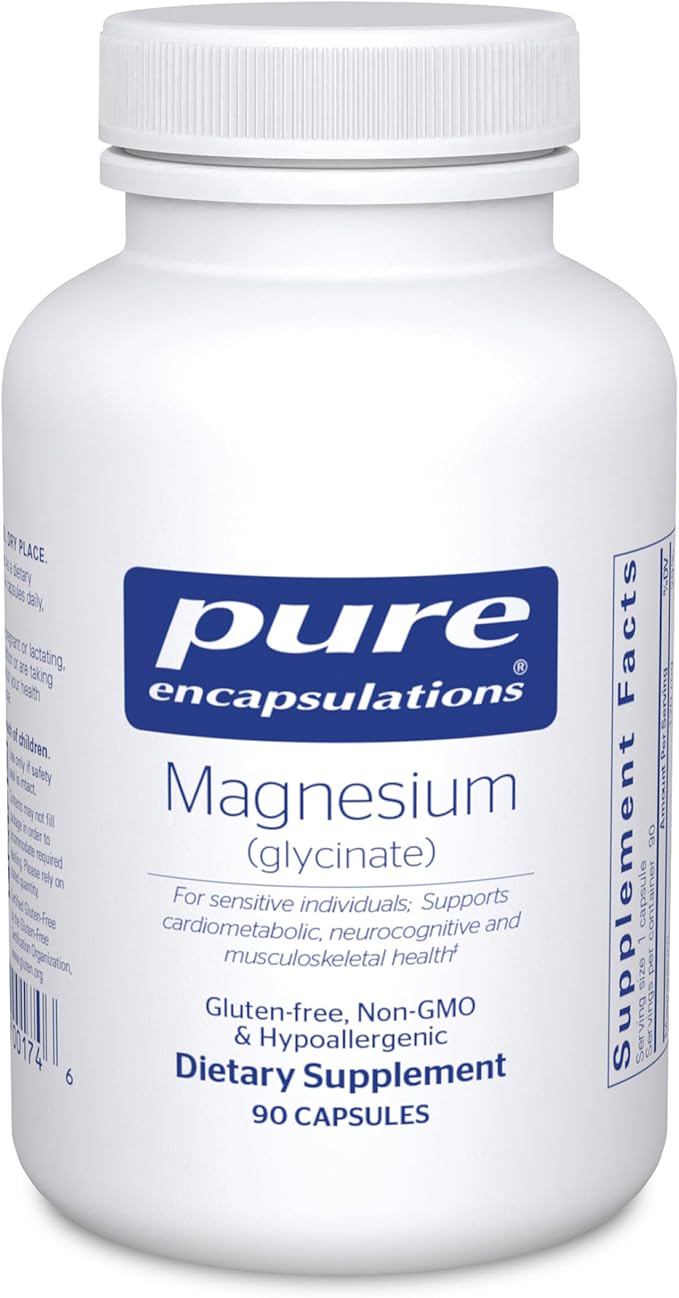
The key is to stop fighting your skin and start supporting your whole system. For some people, a targeted supplement like magnesium glycinate can help calm the nervous system, while for others, simple breathwork or a consistent bedtime makes the biggest impact. If you recognize yourself in these signs, consider a holistic approach that includes stress management alongside your skincare. Your body will thank you.