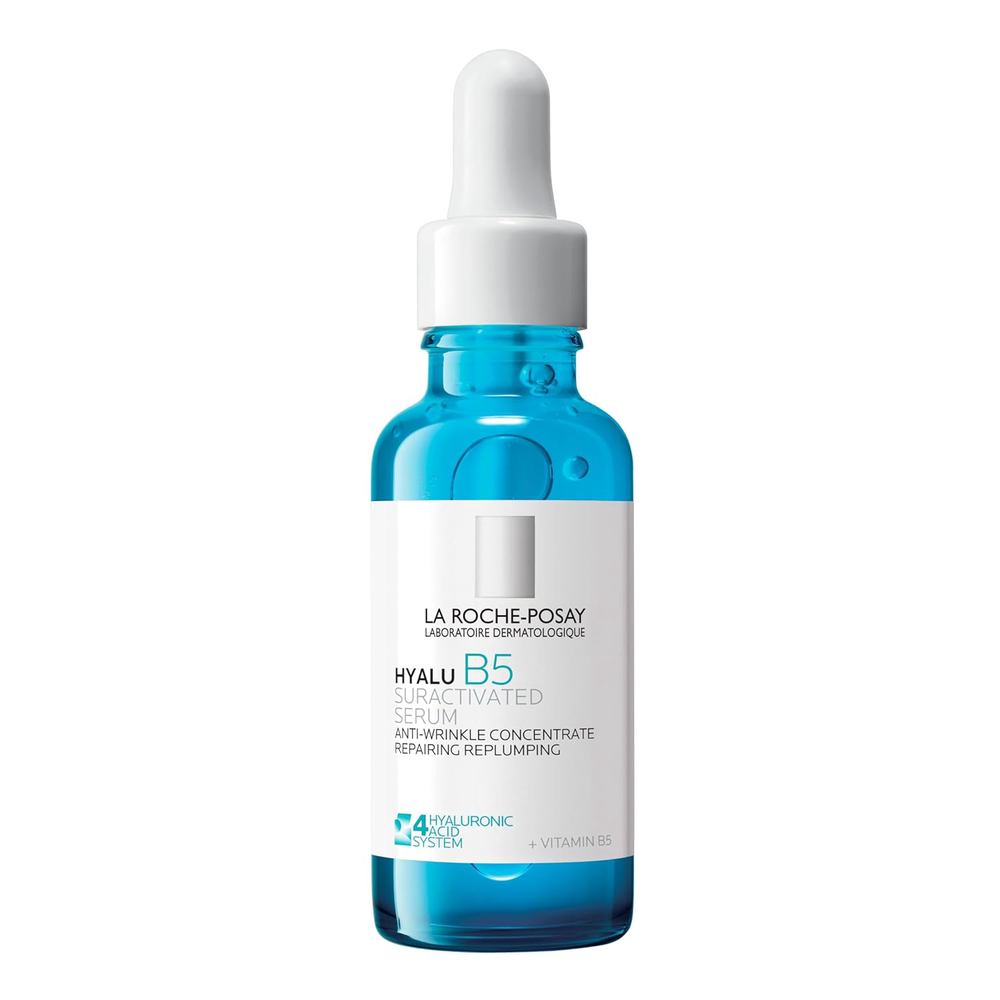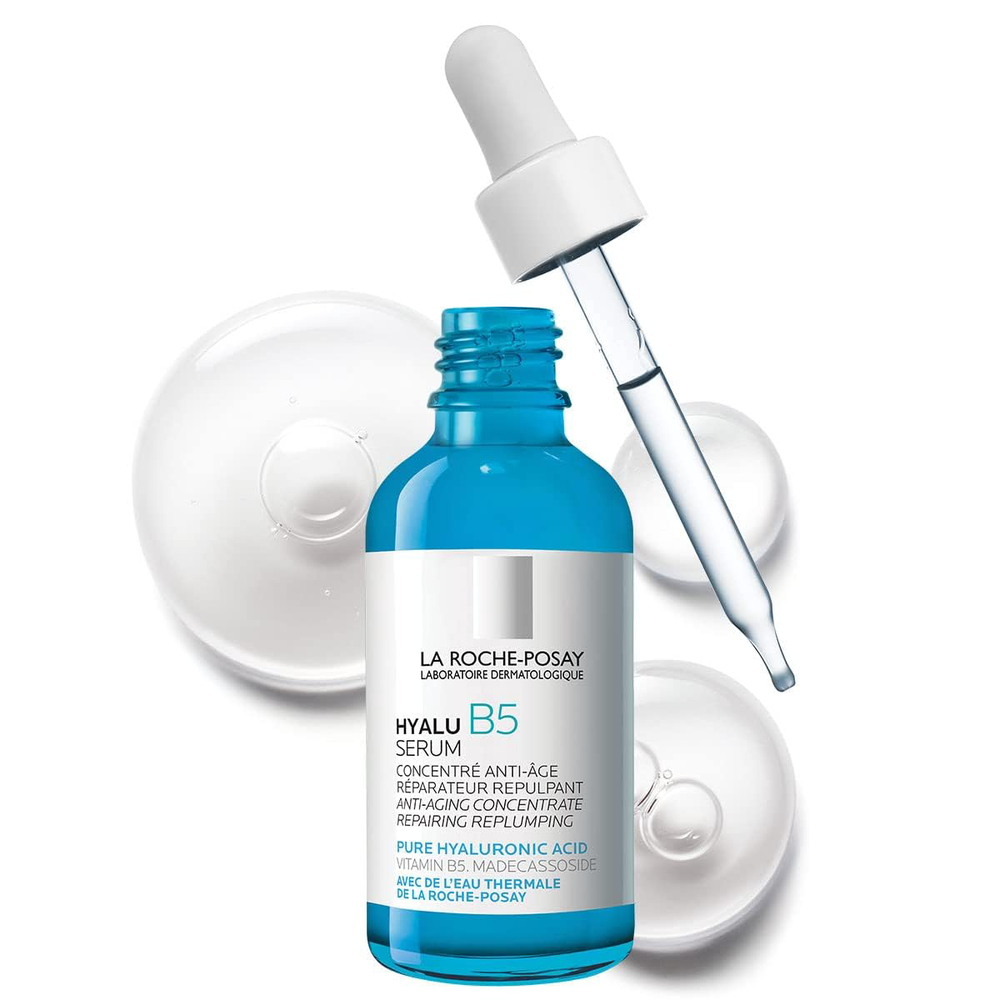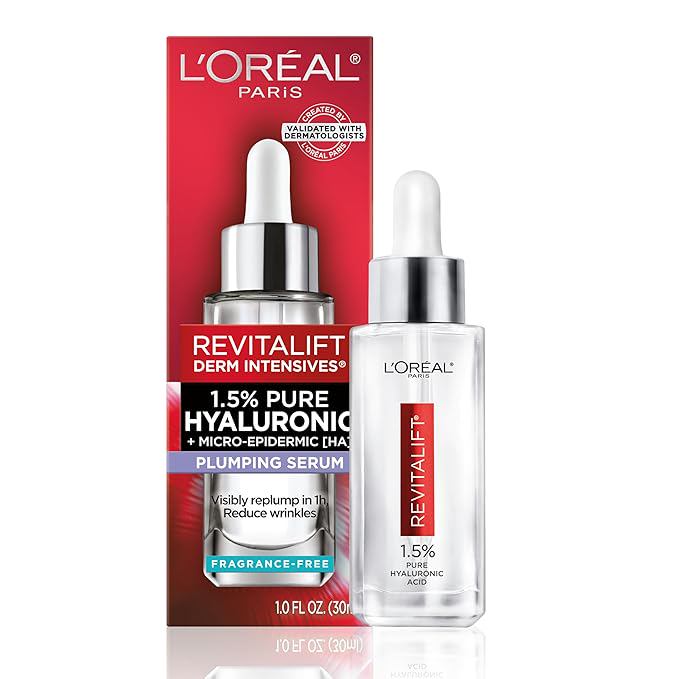

Facial volume loss is a natural part of aging, but the pace at which it happens is not entirely out of your hands. While genetics play a role, certain daily habits can accelerate the depletion of fat, collagen, and bone density in your face, making you look older sooner. The good news: small adjustments can make a meaningful difference. Here are five routine mistakes that could be speeding up facial volume loss—and what to do instead.
1. Skimping on Sunscreen (Even Indoors)
UV radiation breaks down collagen and elastin, the structural proteins that keep skin plump and firm. Over time, unprotected sun exposure thins the dermis, making underlying fat loss more noticeable. Many people apply sunscreen only on sunny days or skip it entirely when staying indoors—yet UVA rays can penetrate windows and clouds. A broad-spectrum SPF 30 or higher, applied daily to the face, neck, and chest, is your first line of defense against premature hollowing.
2. Sleeping in Positions That Compress Your Face
Sleeping on your stomach or side night after night creates sustained pressure on the same areas of your face. This can contribute to asymmetry and, over years, may accelerate the breakdown of fat pads and collagen in those spots. If you wake up with temporary creases or puffiness, your sleep posture is likely a factor. While it takes time to adjust, sleeping on your back is the most volume-preserving position. If that's uncomfortable, try a silk or satin pillowcase, which creates less friction and compression than cotton.
3. Following a Low-Fat Diet for Too Long
Dietary fat is not the enemy—it's essential for maintaining the facial fat pads that give your cheeks, temples, and under-eyes their youthful fullness. Severely restricting fat intake (especially healthy unsaturated fats) can cause these fat pads to shrink more quickly than they would with a balanced diet. Your skin also relies on fat-soluble vitamins (A, D, E, and K) to stay supple and repair itself. Include sources like avocado, nuts, seeds, olive oil, and fatty fish to support both your skin and its underlying support structures.
4. Relying on Dehydrating Skincare and Lifestyle Habits
Dehydrated skin looks thinner, more drawn, and more wrinkled—mimicking the appearance of volume loss even when the underlying structure is intact. Common culprits include over-washing with harsh foaming cleansers, using alcohol-based toners, and skipping moisturizer or occlusive ingredients. Inside the body, caffeine and alcohol act as mild diuretics, pulling water out of tissues. To counter this, use a gentle, hydrating cleanser and apply a moisturizer with ceramides or hyaluronic acid while skin is still damp. Aim for at least 8 cups of water daily, and limit dehydrating beverages to one or two per day.
5. Not Protecting Your Facial Bones
Facial volume loss is not only about fat and skin—your underlying bone structure also changes with age. The maxilla and mandible can reabsorb slightly over decades, reducing the scaffold that supports the soft tissues above. While you cannot stop bone loss entirely, you can slow it by ensuring adequate intake of calcium and vitamin D (from food or supplements, as advised by your doctor). Regular weight-bearing exercise, such as walking, jogging, or resistance training, also supports whole-body and facial bone density. Small daily choices—like wearing a seatbelt and using a mouthguard during contact sports—protect your facial bones from injury that can accelerate structural changes.
Facial aging is complex, but you can influence how it unfolds. By protecting your skin from UV and sleep pressure, nourishing your body with enough healthy fats and water, and supporting your bone health, you give your face the best chance to retain its natural shape longer. Start with one or two changes that feel doable—consistency matters more than perfection.