When cravings for pizza hit, gluten-free options at the store can be pricey—and sometimes disappointing. The good news is that you can build satisfying, gluten-free pizzas at home using seasonal produce that won't bust your budget. By swapping a standard wheat crust for a gluten-free base (store-bought or homemade with a blend of rice flour, almond flour, or cauliflower) and piling on vegetables that are at their peak, you get a meal that's both affordable and full of flavor.
Below are five quick combinations that lean on what's fresh and inexpensive at different times of the year. Each combo is designed to be assembled in about 15 minutes (plus baking time), so they work for busy weeknights or laid-back weekends.
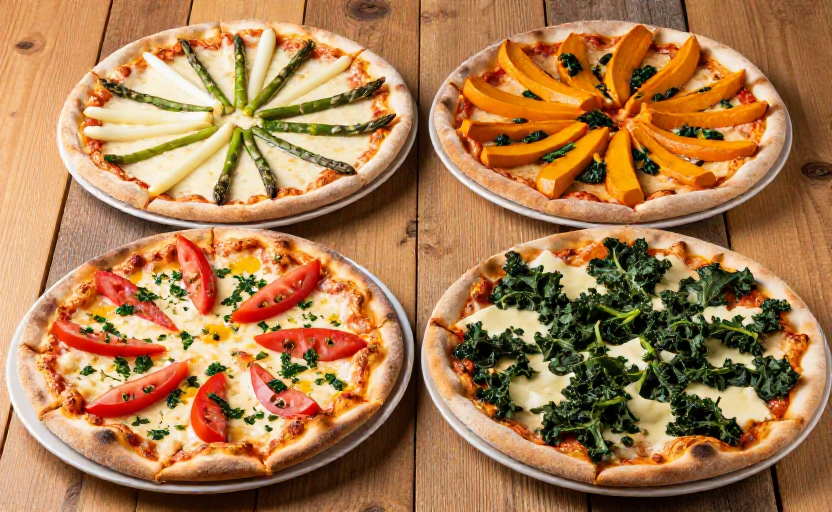
Spring: Asparagus, Lemon, and Goat Cheese
Spring asparagus is tender, affordable, and cooks in minutes. Pair it with tangy goat cheese and bright lemon for a pizza that tastes like the season.
- Base: Gluten-free pre-baked crust or cauliflower crust
- Sauce: A light spread of ricotta or olive oil with minced garlic
- Toppings: Thin asparagus spears (ends trimmed), crumbled goat cheese, lemon zest, and a squeeze of lemon juice
- Finish: Fresh arugula tossed in olive oil, added after baking
Bake at 425°F until the crust is crisp and the cheese is lightly browned (about 10–12 minutes). The lemon and goat cheese cut through the earthiness of asparagus, and the arugula adds a peppery bite.
Summer: Heirloom Tomato, Basil, and Fresh Mozzarella
In summer, tomatoes are cheap and bursting with sweetness. This classic combo shines with minimal effort.
- Base: Gluten-free thin crust (look for a quinoa or brown rice blend)
- Sauce: Skip the heavy sauce—just rub the crust with a cut garlic clove and brush with olive oil
- Toppings: Sliced heirloom tomatoes, torn fresh mozzarella, salt, and black pepper
- Finish: Fresh basil leaves and a drizzle of balsamic glaze
Bake at 450°F for 8–10 minutes. Let the pizza rest a minute before adding basil to keep it bright. This is a low-ingredient, high-flavor option that makes the most of peak-season produce.
Fall: Butternut Squash, Sage, and Caramelized Onions
Winter squash is abundant and inexpensive come autumn. Roasted cubes of butternut squash turn sweet and creamy against a crispy crust.
- Base: Gluten-free crust (cauliflower or chickpea flour work well)
- Sauce: A thin layer of garlic-white bean purée (blend canned cannellini beans with garlic, olive oil, and salt)
- Toppings: Pre-roasted butternut squash cubes, caramelized onions, fresh sage leaves, and a sprinkle of Parmesan (or a dairy-free alternative)
- Finish: A drizzle of honey or maple syrup and toasted pepitas
Roast the squash ahead of time to cut down on assembly. Bake the pizza at 400°F for 12–15 minutes. The white bean purée adds protein and makes the meal more satisfying.
Winter: Kale, Mushrooms, and Smoked Gouda
Dark leafy greens and mushrooms hold up well in cold months, and both are budget-friendly. Smoked Gouda melts beautifully and gives a rich, slightly deep flavor.
- Base: Gluten-free thick crust (sorghum or oat flour base recommended)
- Sauce: Low-sodium marinara or a simple olive oil-tomato paste blend
- Toppings: Sautéed mushrooms (cremini or button), chopped kale (massaged with olive oil), shredded smoked Gouda, and a pinch of red pepper flakes
- Finish: A final scattering of grated Romano or nutritional yeast for umami
Bake at 425°F for 12–14 minutes. The kale wilts just enough in the oven, and the mushrooms add an earthy, hearty texture that makes you forget there's no meat.
Year-Round: Roasted Red Pepper, Olive, and Artichoke
When fresh produce is scarce or you need a pantry-friendly option, jarred roasted peppers, olives, and artichoke hearts combine quickly.
- Base: Any gluten-free crust you keep on hand
- Sauce: Pesto (store-bought or homemade with basil or spinach and walnuts)
- Toppings: Drained and sliced roasted red peppers, pitted Kalamata olives, quartered artichoke hearts (packed in water), and crumbled feta or shredded mozzarella
- Finish: Fresh parsley or oregano
Bake at 425°F for 10–12 minutes. This combo is salty, tangy, and briny—ideal for when you want something robust without turning on the stove.
Tips for Keeping Gluten-Free Pizza Budget-Friendly
Gluten-free crusts can be expensive, but there are ways to manage costs. Look for store brands or buy gluten-free flour blends in bulk to make your own dough. Pre-baked crusts from the freezer section are another option; stock up when they go on sale. For toppings, check the reduced-price produce bin for ripe tomatoes or slightly wilted greens that can be cooked down. Frozen vegetables (like bell peppers, broccoli, or spinach) also work well and cost less than fresh out of season.
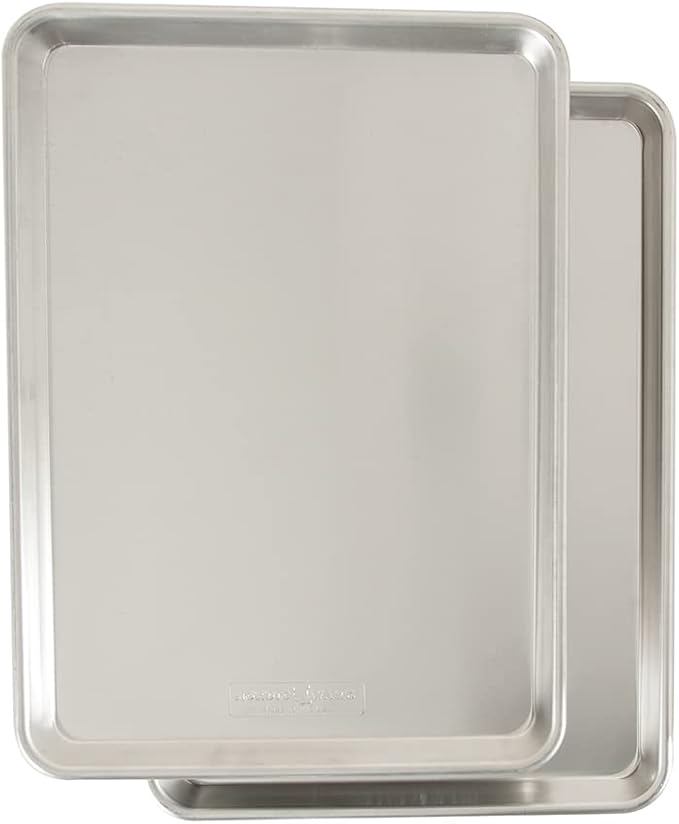
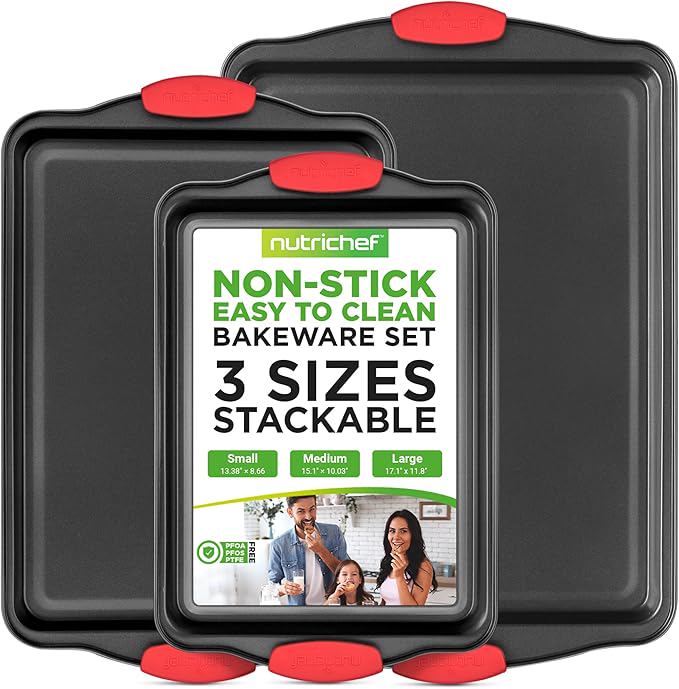
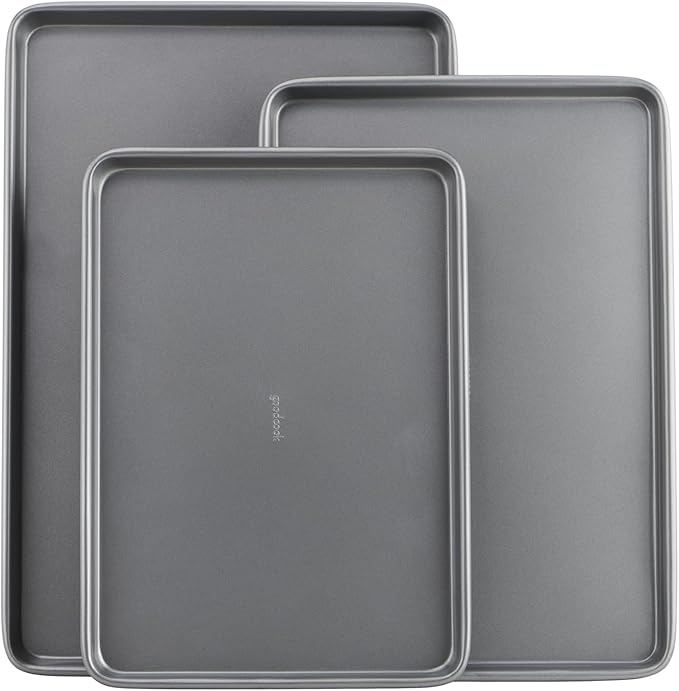
Building your pizza on a sheet pan instead of a pizza stone makes cleanup easier and prevents the crust from sticking. Let the pizza cool for a couple of minutes after baking so the toppings set—it helps the crust stay crisp rather than soggy.