Busy weeknights don't have to mean sacrificing flavor for gut health. The key is to build meals around ingredients that naturally support digestion without making you feel like you're eating a bland health plate. This collection of five dinners focuses on real, whole foods—fermented dairy, legumes, cruciferous vegetables, and fresh herbs—that add complexity and depth while keeping your gut in mind.
Each meal comes together in under 30 minutes of active time, using pantry-friendly ingredients and simple techniques like marinating, roasting, or searing to build big flavor without complicated steps.
1. Grilled Cauliflower with Spiced Yogurt Marinade
Cauliflower is a standout when it comes to a gut-friendly vegetable. It delivers fiber, omega-3 fatty acids, and a range of B vitamins while being naturally low in calories. When you pair it with yogurt—preferably hung curd (strained Greek yogurt works, too)—you add live probiotics that can help maintain a healthy gut microbiome. The tangy yogurt and warming spices (turmeric, coriander, garam masala) create a charred crust that's deeply satisfying.
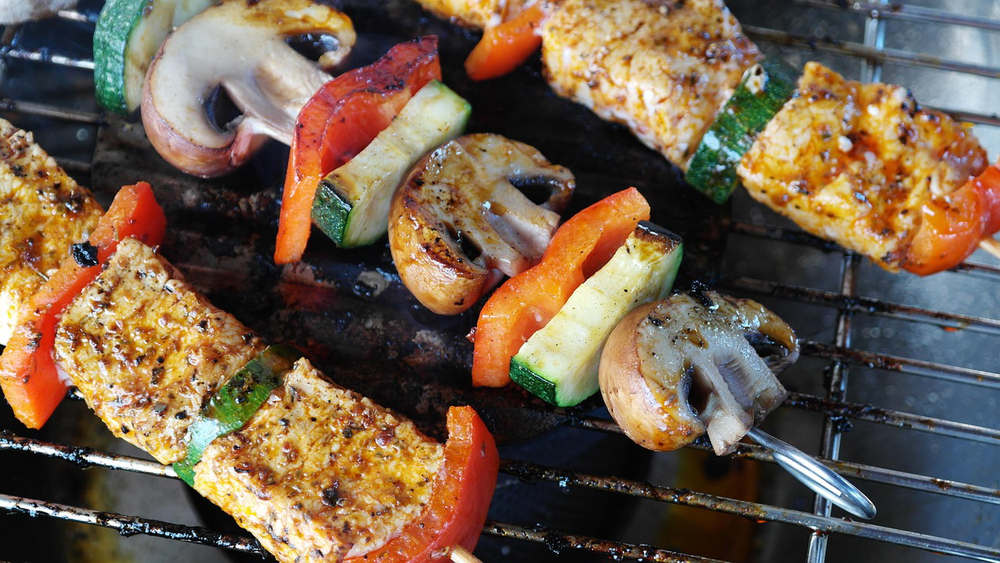
How to make it quickly: Parboil medium florets for 3–5 minutes in salted water, then toss with hung yogurt, ginger-garlic paste, a blend of ground spices, a pinch of ajwain (carom seeds), and a spoonful of gram flour to help the coating stick. Let it sit while you preheat the oven or grill to 400°F (200°C). Brush with oil and grill for 25–30 minutes, turning halfway, until browned and tender.
Tip: Serve with a squeeze of lemon and mint chutney. The same marinade works beautifully with mushrooms, paneer, or chicken if you want to vary the protein.
2. Chickpea and Spinach Stew with Lemon-Herb Finish
Chickpeas are a double win for gut health: they're packed with soluble fiber and resistant starch, both of which feed beneficial gut bacteria. This stew relies on canned chickpeas and frozen spinach for speed, but the flavor comes from a slow-sautéed base of shallots, garlic, and cumin seeds. Add a can of crushed tomatoes, a pinch of smoked paprika, and simmer until thickened. Just before serving, stir in a big handful of chopped cilantro and a squeeze of lemon to cut through the richness.
Pro tip: A teaspoon of grated fresh ginger stirred in at the end brightens the whole dish and adds a gentle anti-inflammatory punch.
3. Salmon with Roasted Fennel and Orange
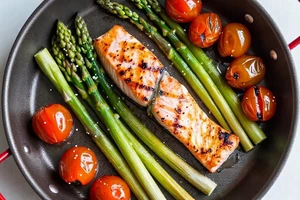
Fatty fish like salmon provides omega-3s that reduce inflammation in the digestive tract. Fennel is a natural source of anethole, a compound that can help relax the gut muscles and ease bloating. Roast sliced fennel bulbs with orange slices and a drizzle of olive oil at 425°F (220°C) while you sear the salmon skin-side down in a hot pan. Finish the fish in the oven for 4–5 minutes. The caramelized fennel and citrus create a sweet-savory counterpoint to the rich salmon.
Plating idea: Serve over a bed of arugula dressed with a bit of the pan juices. The peppery greens add more fiber and a lively contrast.
4. Black Bean and Mango Tacos with Pickled Onions
Black beans are a prebiotic powerhouse thanks to their high levels of resistant starch and anthocyanins (the compounds that give them their dark color). Quick-pickled red onions (thinly sliced, soaked in lime juice and a pinch of salt for 10 minutes) add a tart crunch that aids digestion by stimulating stomach acid. Warm corn tortillas, then layer with seasoned black beans, diced mango, pickled onions, and a sprinkle of cotija cheese or a dollop of plain Greek yogurt.
Why this combination works: The mango provides natural sweetness and enzymes that help break down the beans' complex carbohydrates, while the pickled onions supply beneficial acetic acid.
5. Lemony Lentil Soup with Sautéed Greens
Red lentils cook in about 15 minutes and break down into a naturally creamy broth without needing pureeing. They deliver both insoluble and soluble fiber, making them a gentle but effective choice for regular digestion. Start by sweating a diced onion in olive oil with a teaspoon each of cumin and coriander. Add rinsed lentils, vegetable broth, and a few saffron threads or a pinch of turmeric. Simmer until tender, then stir in a large handful of chopped kale or Swiss chard and cook until just wilted. Finish with a generous squeeze of lemon and a drizzle of extra-virgin olive oil.
Caveat: If you're not used to a high-fiber diet, introduce lentils gradually and drink plenty of water to allow your gut to adjust comfortably.
These five dinners prove that eating for gut health doesn't mean sacrificing flavor or spending hours in the kitchen. By selecting ingredients that naturally support digestion—fermented dairy, legumes, cruciferous veggies, fresh herbs, and citrus—you create meals that are both deeply satisfying and kind to your digestive system. Start with the one that appeals most to you and adapt it to what's in your fridge. Your gut will thank you.