
You’ve just finished a great workout. You pushed hard, you’re feeling accomplished, and now you’re ready to refuel. What you eat and drink in the hours after exercise plays a crucial role in how your body repairs and rebuilds. It’s the foundation for feeling less sore tomorrow, getting stronger, and seeing the results of your effort. Yet, it’s surprisingly easy to undermine that process with a few common missteps.
Post-workout nutrition isn’t about rigid rules or perfect timing. It’s about supporting your body’s natural recovery mechanisms. When you lift weights or engage in intense training, you create microscopic tears in your muscle fibers. Recovery is the process of repairing those tears, which is how muscles grow stronger and adapt. The right nutrients provide the raw materials for that repair job. The wrong choices—or a lack of any choice at all—can leave the job half-done, leading to prolonged fatigue, persistent soreness, and stalled progress.
Mistake 1: Waiting Too Long to Eat
There’s a persistent myth that you must consume protein within a precise “anabolic window” of 30 minutes post-exercise or all your gains are lost. This creates unnecessary pressure. The reality is more forgiving, but also more nuanced. While the window isn’t as narrow as once thought, letting hours pass without nourishment is a missed opportunity.
After exercise, your muscles are primed to absorb nutrients to start the repair process. Blood flow is increased, and cellular pathways are open. Delaying food for several hours means this heightened state of readiness gradually diminishes. You’re essentially leaving your body in a catabolic (breaking down) state for longer than necessary, which can slow the initiation of repair.
Think of it as showing up to a construction site after the crew has gone home for the day. The materials are there, but the work is delayed.
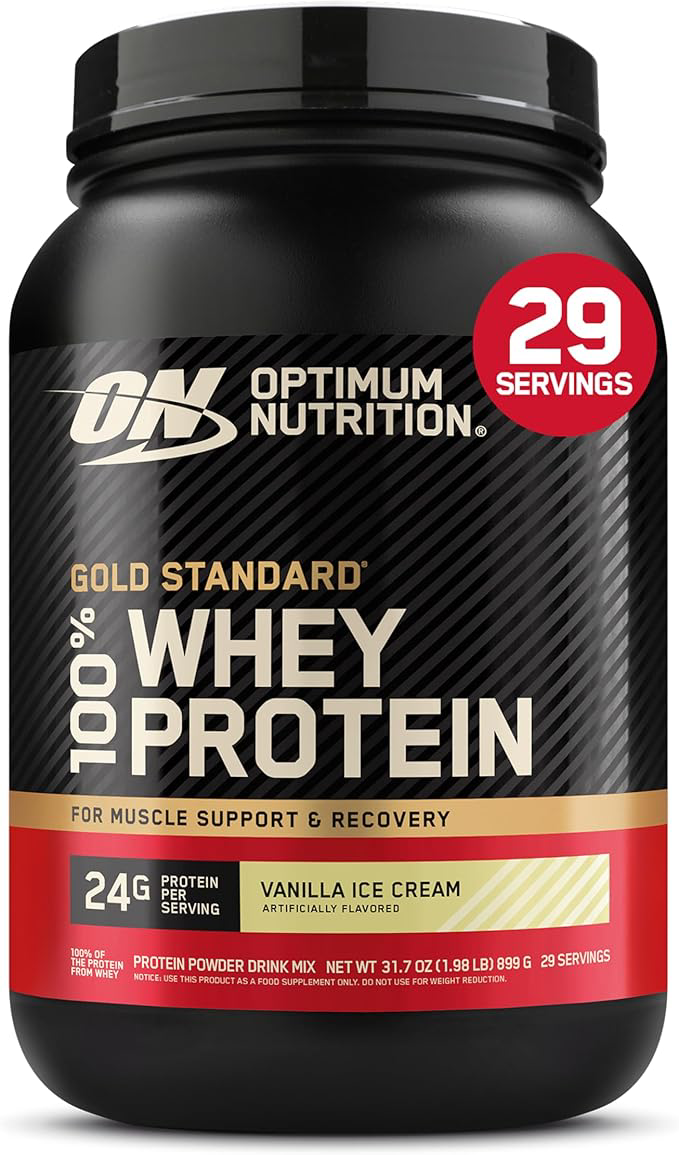
Aim to have a balanced meal or snack containing both protein and carbohydrates within one to two hours after your workout. This doesn’t require a complicated shake the second you rack the weights. It could be a simple meal you’ve prepped, a yogurt with fruit, or a turkey sandwich. Consistency here is far more important than stopwatch precision.
Mistake 2: Skipping Carbohydrates Entirely
In the era of low-carb diets, carbohydrates have become unfairly vilified, especially around workouts. Protein rightfully gets the spotlight for muscle repair, but carbohydrates are its essential partner. When you train hard, you deplete your muscles’ stored glycogen, which is their primary fuel source.
Replenishing glycogen is a key part of recovery. If you don’t, you may feel sluggish, heavy-legged, and weak in your next session. Carbohydrates also play a hormonal role: they stimulate insulin release. Insulin is an anabolic hormone that helps drive amino acids (from protein) into muscle cells, facilitating repair and growth. A post-workout meal with only protein misses this synergistic effect.
You don’t need a huge plate of pasta. A moderate portion of quality carbs is sufficient. Good post-workout options include a piece of fruit, a serving of oats, sweet potato, quinoa, or whole-grain bread. Pair it with your protein source to effectively refuel and rebuild.
Mistake 3: Overlooking Hydration and Electrolytes
Muscle tissue is about 75% water. Every metabolic process involved in recovery, from protein synthesis to nutrient transport, depends on adequate hydration. Simply drinking water to quench your thirst after a workout often isn’t enough to fully rehydrate, especially if you sweated heavily.
With sweat, you lose not just water but also electrolytes—primarily sodium, potassium, and magnesium. These minerals are critical for nerve function, muscle contraction, and fluid balance. Neglecting electrolyte replenishment can lead to lingering muscle cramps, a feeling of dehydration despite drinking water, and suboptimal cellular function for repair.
- Sodium helps your body retain the fluid you drink.
- Potassium supports muscle and nerve function.
- Magnesium is involved in hundreds of enzymatic reactions, including those for muscle relaxation and protein synthesis.
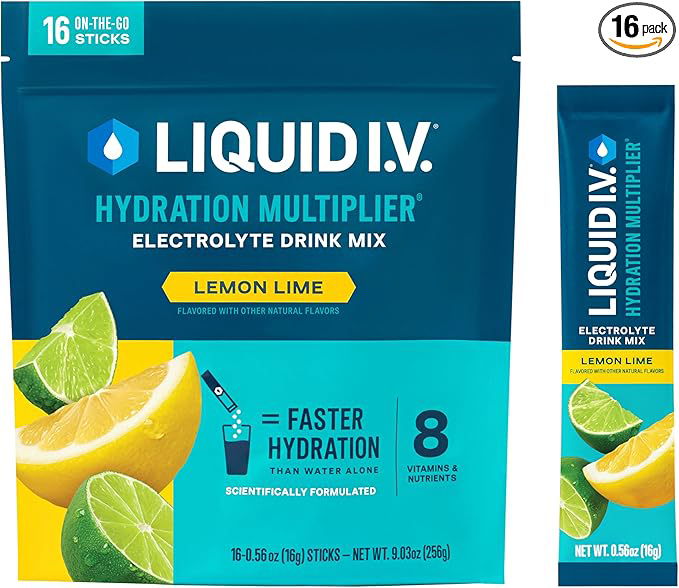
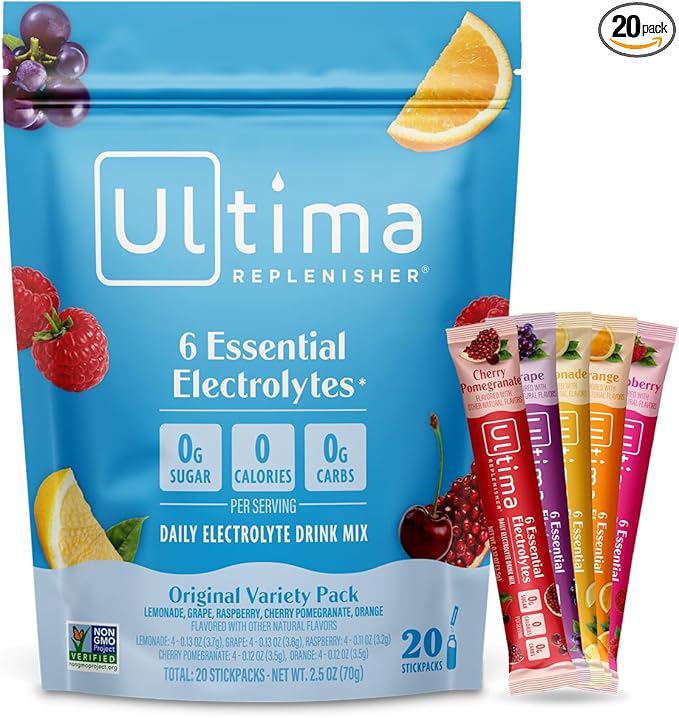
For most moderate workouts, water and a balanced post-workout meal will cover electrolyte needs. For longer, intense, or sweaty sessions, consider an electrolyte supplement or focus on foods rich in these minerals, like bananas, leafy greens, nuts, and seeds.
Mistake 4: Relying Solely on Sugary Processed Snacks
Grabbing a protein bar, a sweetened recovery drink, or a pastry might seem convenient, but many of these are loaded with added sugars, artificial ingredients, and low-quality fats. While a quick spike of sugar can help with glycogen replenishment, a massive dose of fructose or sucrose without other nutrients can lead to an energy crash and promote inflammation.
Chronic inflammation is counterproductive to recovery. The goal after exercise is to reduce the acute inflammatory response from training, not add to it with a diet high in processed foods and inflammatory fats. These choices provide “empty” recovery calories—they might fill the glycogen tank somewhat but offer little of the vitamins, minerals, and phytonutrients that support the intricate repair processes.
Opt for whole or minimally processed foods whenever possible. The nutrients in a chicken breast with rice and broccoli work in concert in ways a processed bar cannot replicate.
Whole foods provide the complete toolkit for repair, not just the hammer.
Mistake 5: Ignoring Overall Daily Nutrition
You cannot out-supplement a poor diet, and you cannot compensate for a day of inadequate nutrition with one perfect post-workout shake. Recovery is a 24-hour process. The meal you eat after training is important, but it’s just one piece of the daily puzzle.
If your total daily protein intake is too low, your body won’t have enough building blocks for repair, no matter how timely your post-workout snack is. If you’re in a severe calorie deficit, your body may prioritize basic functions over muscle repair. Consistent, balanced nutrition throughout the day ensures a steady supply of energy and nutrients to support ongoing recovery.
Focus on hitting your overall daily needs for protein, calories, and micronutrients. The post-workout meal then acts as a strategic booster within that solid foundation, not a magic fix for an otherwise lacking diet.
Ultimately, effective post-workout nutrition is straightforward: listen to your body’s hunger cues, prioritize whole foods, and don’t overcomplicate it. By avoiding these common mistakes—waiting too long, fearing carbs, neglecting hydration, choosing processed options, and focusing on only one meal—you create an environment where your body can efficiently do its repair work. This leads to less soreness, more energy, and better results from all the effort you put in on the gym floor. Your recovery nutrition is the bridge between one great workout and the next. Build it well.