Managing oily skin often feels like a balancing act. You want to reduce shine and prevent breakouts without stripping your skin so much that it rebels by producing even more oil. The right products can help you achieve that equilibrium, and it all starts with understanding which ingredients to look for on the label.
These ingredients aren't about harshly drying out your skin. Instead, they work to gently regulate sebum production, keep pores clear, and provide balanced hydration. Knowing what each one does empowers you to build a smarter, more effective routine.
What makes a good ingredient for oily skin?
Effective ingredients for oily skin typically fall into a few key categories. Some help to gently dissolve and clear away excess oil and impurities from within the pore. Others have astringent properties that can temporarily refine the appearance of pores. Many provide lightweight, non-comedogenic hydration to signal to your skin that it doesn't need to overproduce oil. The best ingredients often multitask, offering additional benefits like soothing inflammation or providing antioxidant protection.
1. Niacinamide
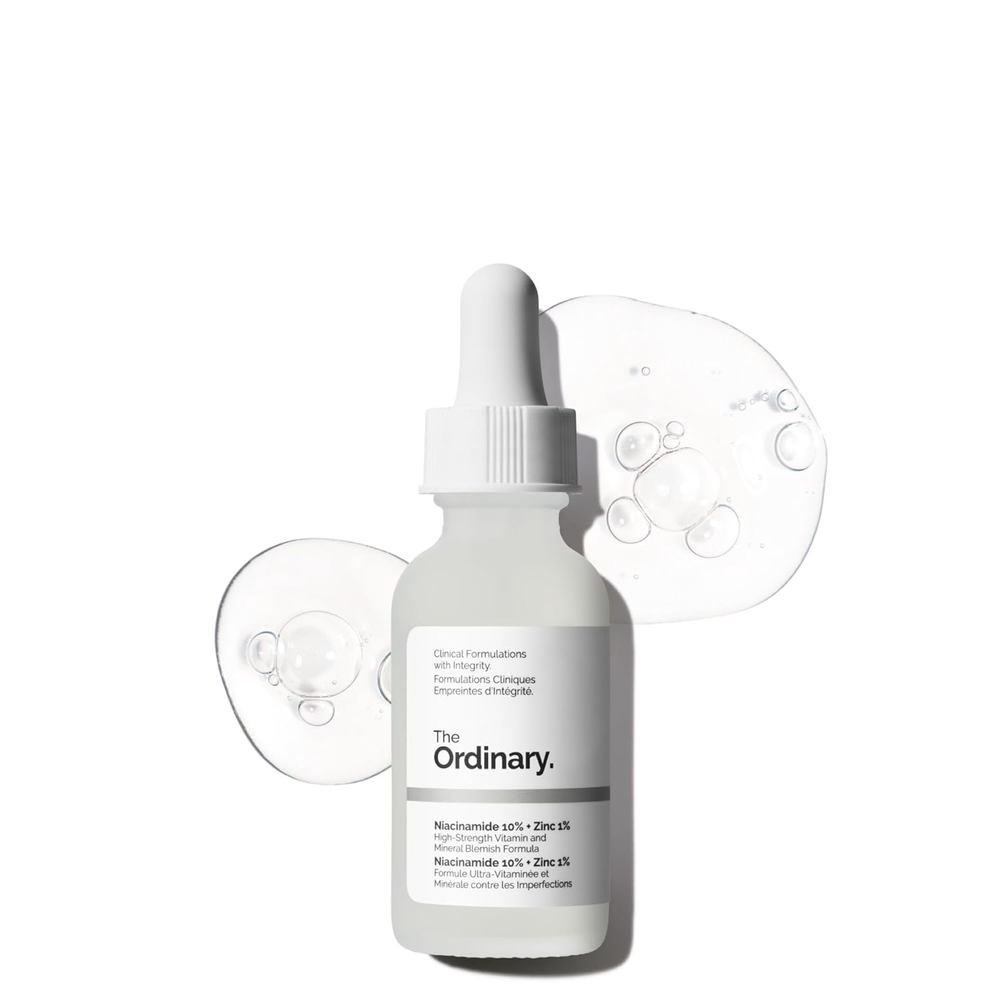
Niacinamide, a form of vitamin B3, is something of a superstar for oily and combination skin types. Its primary benefit is its ability to help regulate sebum production over time. Think of it as a calming communicator for your oil glands, helping to normalize their activity.
Beyond oil control, it strengthens the skin's barrier function, which can become compromised from over-cleansing. A stronger barrier means better-hydrated, more resilient skin. It also works to minimize the appearance of enlarged pores and can calm redness, making it a truly multi-functional addition to any routine.
Look for niacinamide in serums, moisturizers, and toners at concentrations typically between 2% and 10%.
2. Salicylic Acid
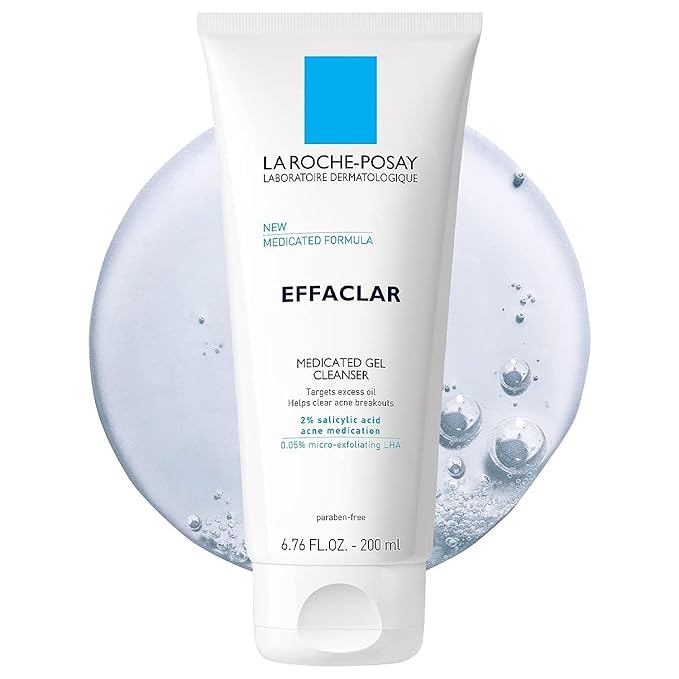
If clogged pores and blackheads are your main concern, salicylic acid is likely your best ally. This beta-hydroxy acid (BHA) is oil-soluble, which allows it to penetrate deep into the pore lining. Once there, it dissolves the mix of sebum and dead skin cells that lead to clogs and breakouts.
It’s a chemical exfoliant, meaning it clears out pores from the inside rather than scrubbing the surface. Regular use can help keep pores clear, reduce the frequency of breakouts, and improve overall skin texture. It's commonly found in cleansers, leave-on treatments, and spot treatments.
3. Hyaluronic Acid
It might seem counterintuitive to add a "hydrating" ingredient to oily skin, but hydration is exactly what oily skin often needs. When skin is dehydrated, it can overcompensate by producing more oil. Hyaluronic acid is a humectant, meaning it draws water into the skin.
The key here is that it provides intense hydration without adding oiliness or heaviness. It plumps the skin with water, not grease, leaving it supple and balanced. This lightweight hydration can help signal to your skin that it's sufficiently moisturized, potentially reducing excess oil production.
4. Clay (Kaolin or Bentonite)
For immediate oil-absorbing benefits, clay ingredients are hard to beat. Kaolin and bentonite clays act like gentle magnets, drawing out surface oil, sweat, and impurities from the pores. They provide a mattifying effect that can reduce shine throughout the day.
These are excellent ingredients for masks or cleansers designed for occasional use. They offer a deep-cleaning sensation without being overly abrasive. While they manage surface oil beautifully, they work best when paired with other ingredients (like niacinamide) that address oil production at the source.
5. Zinc
Zinc, often in the form of zinc PCA or zinc oxide, is a mineral with oil-regulating and anti-inflammatory properties. It helps to moderate the activity of the enzyme responsible for converting testosterone into a more potent form that can stimulate oil glands.
This makes it particularly useful for managing hormonally influenced oiliness. Its soothing nature also helps calm active breakouts and redness. You'll often find it in sunscreens formulated for oily skin, as well as in some treatments and moisturizers.
Building a routine with these ingredients
You don't need a product containing all five ingredients at once. In fact, that could be irritating. Start by identifying your primary concern—is it persistent shine, clogged pores, or dehydration?—and choose one or two key ingredients to address it.
A simple framework could look like this:
- Cleanser: A gentle, pH-balanced formula. You might opt for one with a low concentration of salicylic acid a few times a week if clogged pores are an issue.
- Treatment Serum: This is where a niacinamide or hyaluronic acid serum can shine, applied to damp skin.
- Moisturizer: A lightweight, oil-free gel or lotion that provides hydration without heaviness.
- Sunscreen (AM): A must. Look for non-comedogenic, mattifying formulas that may contain zinc oxide.
Always introduce new products one at a time, and give your skin a few weeks to adjust. Consistency with a simple, effective routine is far more powerful than using a dozen products sporadically. If you have specific concerns like severe acne or rosacea, consulting a dermatologist is the best first step.