Meal prepping on a tight schedule—say, 30 minutes on a Sunday—can feel like a win for your week ahead. But some of the shortcuts and choices we make in that short window can quietly work against our digestive health. If you’ve been feeling bloated, sluggish, or just off after eating your carefully prepped meals, one of these five habits might be the culprit.
1. Overloading on raw cruciferous vegetables without proper prep
Cabbage, broccoli, cauliflower, and kale are meal-prep darlings. They hold up well, they’re cheap, and they’re nutrient-dense. But when eaten raw or barely cooked, they deliver a heavy load of raffinose—a complex sugar that your small intestine can’t break down fully. That undigested sugar then ferments in your gut, producing gas, bloating, and discomfort.
The fix: If you’re meal-prepping with these vegetables, give them a quick blanch, steam, or roast before packing them away. Even 3–4 minutes of heat helps break down those troublesome fibers and makes the vegetables much friendlier to your digestive system.
2. Reheating starches that have been cooled (but not properly stored)
You’ve probably heard that cooking and cooling potatoes, rice, or pasta increases their resistant starch content—which is good for gut bacteria. That’s true. But here’s the catch: if those starches sit at room temperature for too long before you refrigerate them, or if you reheat them multiple times across the week, the resistant starch can degrade and the food can become a breeding ground for unwanted bacteria.
The fix: Cool cooked grains and starches quickly—spread them on a baking sheet to speed up the process—then refrigerate within two hours. Reheat only the portion you’re eating, not the whole batch.
3. Relying on ultra-processed cooking shortcuts
Pre-shredded cheese, bottled stir-fry sauces, seasoned rice packets, and canned soup might save you minutes during meal prep. But many of these products contain emulsifiers, preservatives, and artificial sweeteners that directly alter gut microbiota. Emulsifiers like carboxymethylcellulose and polysorbate-80, for example, have been linked in research to gut inflammation and reduced microbial diversity.
The fix: When you’re shopping for your 30-minute meal prep session, prioritize whole ingredients. Grate your own cheese, make a simple vinaigrette in two minutes, and season rice with herbs and spices rather than using a packet. Your gut lining will thank you.
4. Under-cooking legumes and whole grains to save time
Chickpeas, lentils, black beans, and farro are meal-prep staples because they’re filling and full of fiber. But if you’re soaking or cooking them just barely enough to be edible—because you’re racing the clock—you’re not neutralizing the lectins and phytic acid they naturally contain. These compounds can bind to minerals in your digestive tract and cause irritation or poor nutrient absorption.
The fix: Soak dried legumes overnight (or at least 8 hours), discard the water, and cook them thoroughly until they’re truly tender. If you’re using canned beans, drain and rinse them well to reduce the gas-producing oligosaccharides.
5. Prepping too many meals too far in advance
It’s tempting to cook all five weekdays’ worth of food on one afternoon. But many dishes start to lose their texture, flavor, and—more importantly—their food-safety integrity by day four or five, especially if they contain moist vegetables, poultry, or seafood. As food sits, histamine levels can rise, which can trigger inflammation in sensitive guts and mimic food intolerance symptoms.
The fix: Limit your meal prep to a 3-day window. Prep components—like roasted vegetables, cooked protein, and cooked grains—separately and combine them fresh. Or, if you do want to prep for five days, freeze the meals for days 4 and 5 immediately after cooking.
A 30-minute window is doable—but the quality of what you do in that time matters more than the quantity. Prioritize whole ingredients and proper cooking methods over speed at all costs.
By swapping out these five common habits for smarter, slower-at-first approaches, you can keep meal prep efficient without sacrificing the health of your gut. Your digestive system will respond better to foods that are prepared with a little more care—even if that means spending an extra 5 minutes on prep day to chop, blanch, or soak.


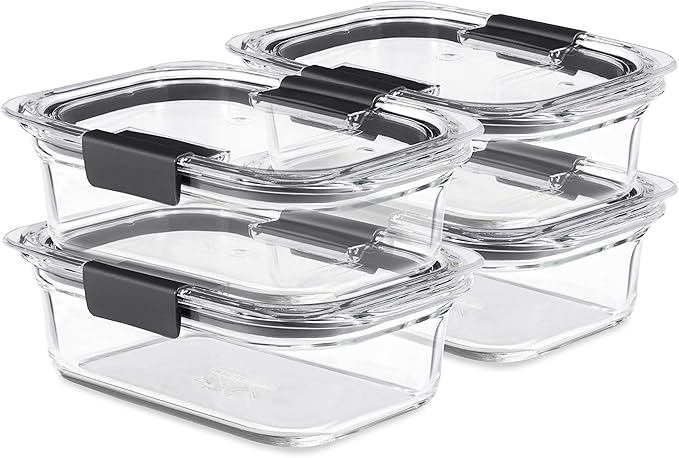

![[10-Pack] Glass Meal Prep Containers with Lids, MCIRCO Food Storage Containers with Snap Locking Lids, Airtight Lunch Containers, Microwave, Oven, Freezer and Dishwasher](https://www.glowtheorylab.com/uploads/ad202604/141a61456fdd8860.webp)