
The first trimester is a profound metabolic shift. You are building a placenta, doubling blood volume, and growing a new organ from scratch. It is exhausting, exhilarating, and often nauseating. While prenatal vitamins cover the micronutrient basics, real food provides the complex symphony of compounds—fiber, phytonutrients, healthy fats, and prebiotics—that a supplement cannot replicate. The goal is not perfection; it is nourishment that supports your long-term birth plan by fortifying your body and your baby's foundation.
Below are five evidence-informed foods to prioritize during weeks 1 through 12. They target common first-trimester challenges—fatigue, constipation, folate needs, and iron stores—while laying groundwork for a smoother pregnancy and delivery.
1. Lentils and Beans: Folate, Fiber, and Steady Energy
Folate is non-negotiable in early pregnancy. It reduces the risk of neural tube defects, which form before many people even know they are pregnant. Lentils, black beans, and chickpeas deliver folate in a matrix of fiber and slow-digesting carbohydrates. That fiber helps counteract the constipation that progesterone causes by slowing gut motility.
Try adding a half-cup of cooked lentils to marinara sauce or blending black beans into a breakfast tortilla. They are gentle on a queasy stomach when seasoned lightly, and they provide steady blood sugar—critical when morning sickness makes eating unpredictable.
2. Eggs: Choline for the Brain and Spinal Cord
Choline is a nutrient that quietly supports your baby's brain development and helps prevent neural tube defects, yet most prenatal vitamins contain little to none. One large egg provides about 27 percent of the daily target for pregnant women. The yolk is where the choline lives, so skip the egg-white-only trend during these weeks.
Scrambled, poached, or hard-boiled, eggs are a first-trimester staple. They are portable, cook quickly, and pair well with whole-grain toast for a meal that keeps morning nausea at bay. If you cannot stand the smell of eggs early in pregnancy, try incorporating them cold in a salad or baked into a frittata with mild vegetables.
3. Salmon: Omega-3s for Inflammation and Mood
Omega-3 fatty acids—specifically DHA—accumulate in the fetal brain and retina during the first trimester. Salmon is one of the best food sources, and it also provides high-quality protein and vitamin D. The anti-inflammatory properties of omega-3s may help reduce the risk of preterm birth and support maternal mood during a period of hormonal turbulence.
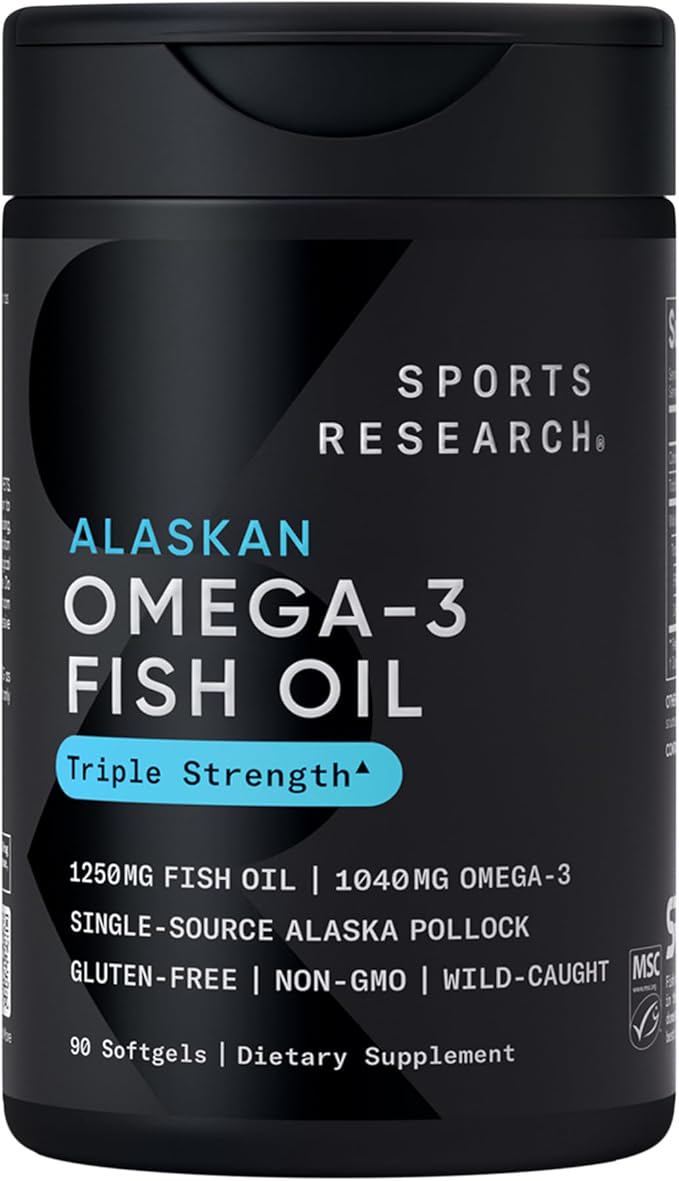
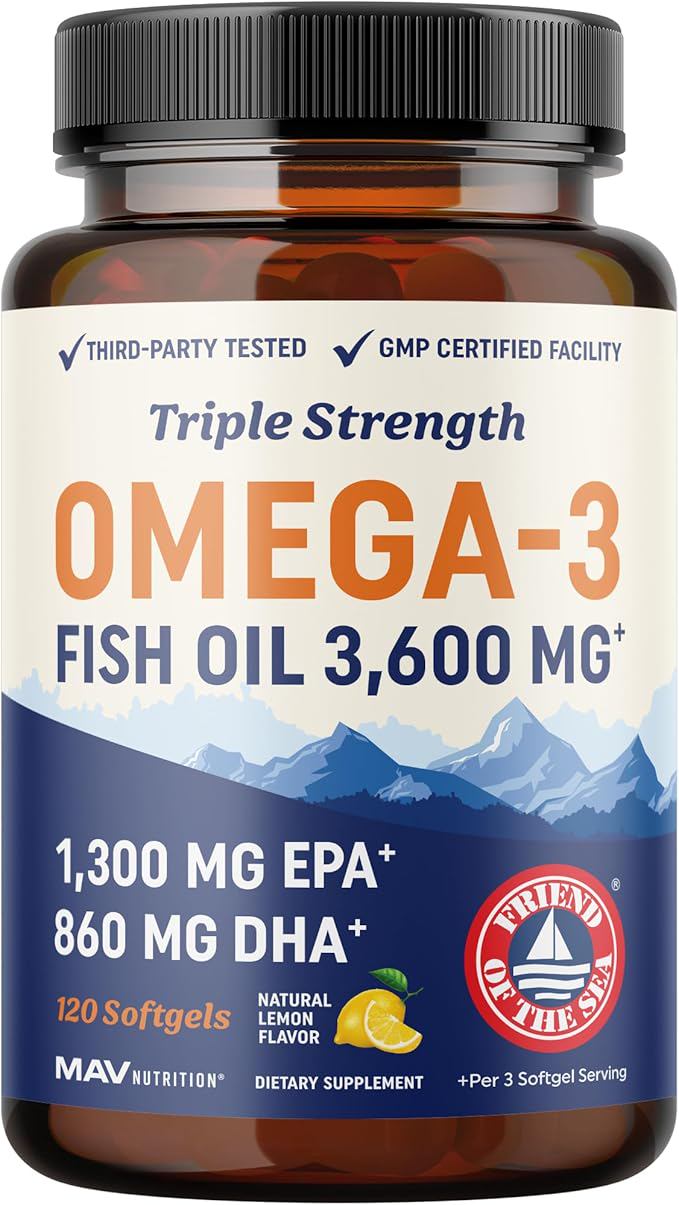
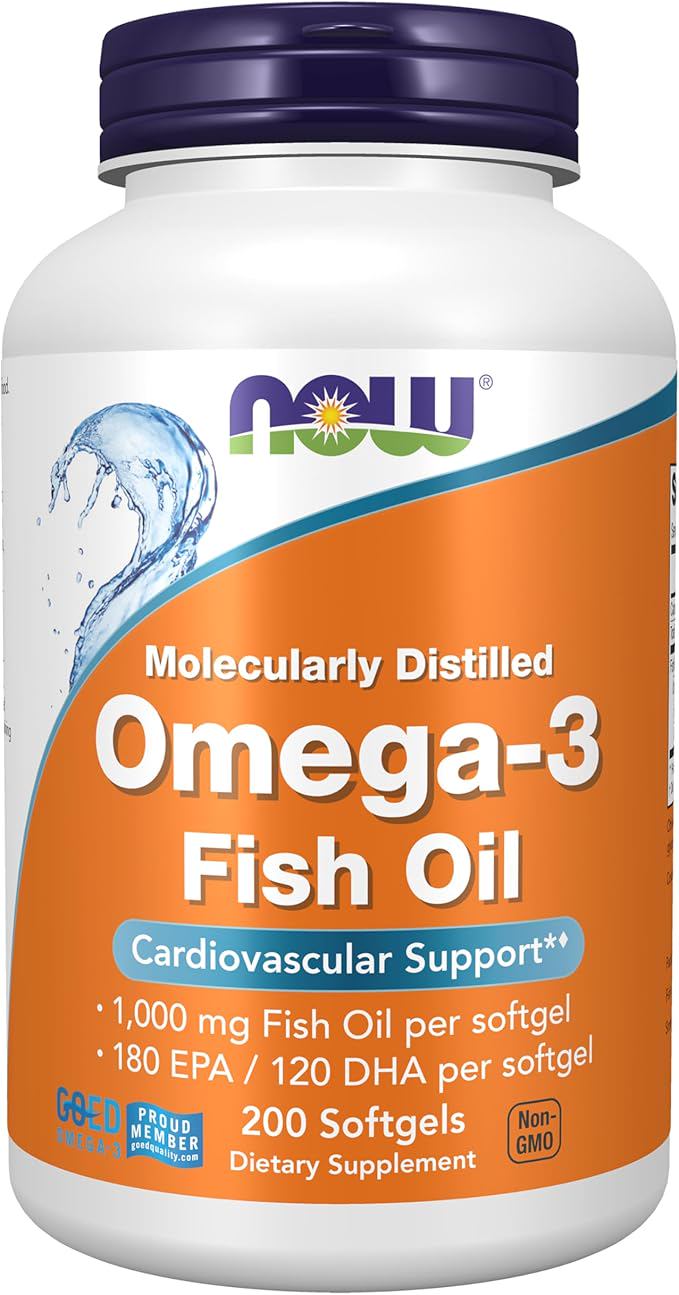
Choose wild or sustainably farmed salmon twice per week. Canned salmon (with bones) adds the bonus of calcium. Keep portions to about 4 to 6 ounces cooked. If you cannot stomach fish, consider a trusted fish-oil supplement after consulting your provider, but food sources offer a broader nutrient package.
4. Leafy Greens: Iron, Calcium, and Magnesium
Spinach, kale, Swiss chard, and collard greens are dense with non-heme iron, which becomes increasingly important as blood volume expands. They also supply calcium for your baby's developing skeleton and magnesium for muscle relaxation and sleep quality.
Raw greens can be difficult to digest when nausea strikes. Sauté them in olive oil with a pinch of salt, or blend a handful into a smoothie with frozen mango and yogurt. Cooking actually increases the bioavailability of some nutrients while reducing bulk, making it easier to eat a full serving without discomfort.
5. Full-Fat Yogurt: Probiotics and Calcium in Balance
The maternal microbiome undergoes dramatic shifts in the first trimester, and a healthy gut ecosystem is linked to lower rates of gestational diabetes and preterm birth. Full-fat yogurt—plain, unsweetened—provides live probiotics and absorbable calcium. The fat helps stabilize blood sugar and improves absorption of fat-soluble vitamins from other foods.
Aim for varieties with live active cultures, such as Lactobacillus and Bifidobacterium strains. Avoid those heavy with added sugar; instead, stir in berries or a drizzle of honey if tolerated. If dairy triggers queasiness, full-fat kefir or goat-milk yogurt are gentler alternatives.
Building a Birth Plan Around Real Food
These five categories do not need to appear every day. The first trimester is a time of survival for many. Some days you may only keep down crackers and ginger ale. That is normal. What matters is the overall trend: when you can eat, choosing foods that work with your body rather than against it.
A birth plan is not just about the delivery room. It includes the cellular environment you create in the first three months. Focusing on folate, choline, omega-3s, iron, and probiotics gives you a physiological advantage that extends into labor, recovery, and breastfeeding.