
Pregnancy brings a flood of changes, and for many women, one of the most visible is melasma—those dusky, butterfly-shaped patches of darkened skin on the cheeks, forehead, or upper lip. While hormonal shifts are the main trigger, certain everyday drinks can make these patches more pronounced. Understanding which beverages could be making your melasma worse—and what to reach for instead—can help you feel more in control of your skin during this time.
Why melasma worsens with certain drinks
Melasma is fueled by estrogen, progesterone, and sun exposure, but some drinks can amplify the effect by increasing your skin's sensitivity to UV light or by promoting inflammation. The goal isn't to eliminate every pleasure from your day, but to make smarter swaps that support your skin's natural barrier and healing processes.
1. Coffee and other caffeinated drinks
That morning cup of coffee is a ritual for many pregnant women, but caffeine can be a double-edged sword for melasma. Caffeine may raise cortisol levels, which in turn can stimulate melanin production. Additionally, caffeine can be mildly dehydrating, and when skin is dehydrated, it can become more prone to pigmentation irregularity. If you notice your melasma seems darker after a few days of extra coffee, it's worth cutting back.
What to sip instead: A warm latte made with decaffeinated espresso or a caffeine-free chicory root "coffee" can satisfy the ritual without the melanin-stimulating spike. Pair it with a splash of oat or almond milk for creaminess that hydrates rather than dehydrates.
2. Sugary sodas and fruit drinks
High-glycemic beverages—think regular sodas, sweetened iced teas, and fruit punches—send your blood sugar on a rollercoaster. When blood sugar spikes, your body responds with inflammation and oxidative stress. Both of these can activate melanocytes, the cells that produce pigment, leading to more pronounced melasma patches. The connection between sugar and skin pigmentation is well-documented: chronic high sugar intake can lead to glycation, which damages collagen and makes skin look dull and uneven.
What to sip instead: Infused water with cucumber, mint, or a few berries adds flavor without sugar. If you're craving fizz, try sparkling water with a splash of 100% cranberry juice (unsweetened) or a squeeze of lemon. The tartness tricks your taste buds into feeling satisfied without the glycemic load.
3. Citrus juices (especially grapefruit and orange)
Fresh-squeezed orange juice sounds healthy, but citrus fruits contain compounds called psoralens that can make your skin more photosensitive. When you drink a glass of orange or grapefruit juice and then step into the sun—even for a few minutes—your skin absorbs more UV damage, which can darken melasma patches dramatically. This effect is even stronger in people with fair to medium skin tones, who are already more prone to melasma.
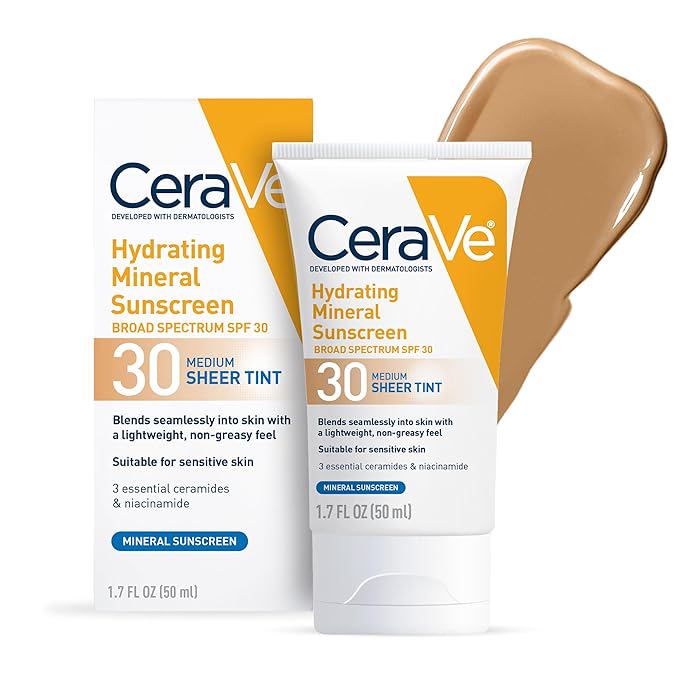
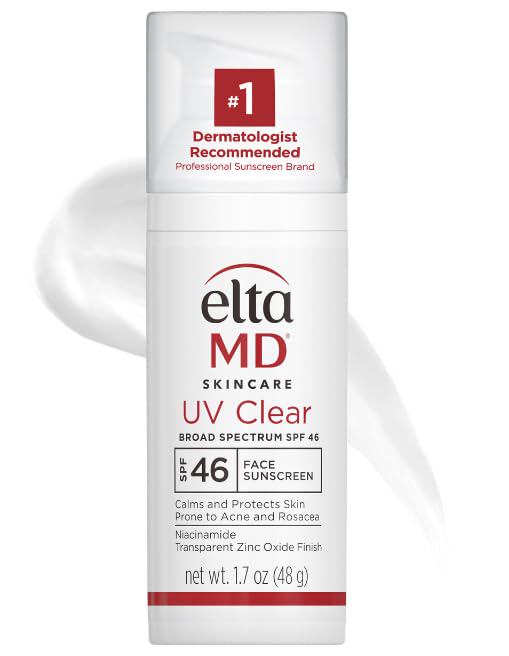
Tip: If you love citrus juice, drink it in the evening or on days when you'll be indoors. And always pair it with a high-SPF mineral sunscreen—even if it's cloudy.
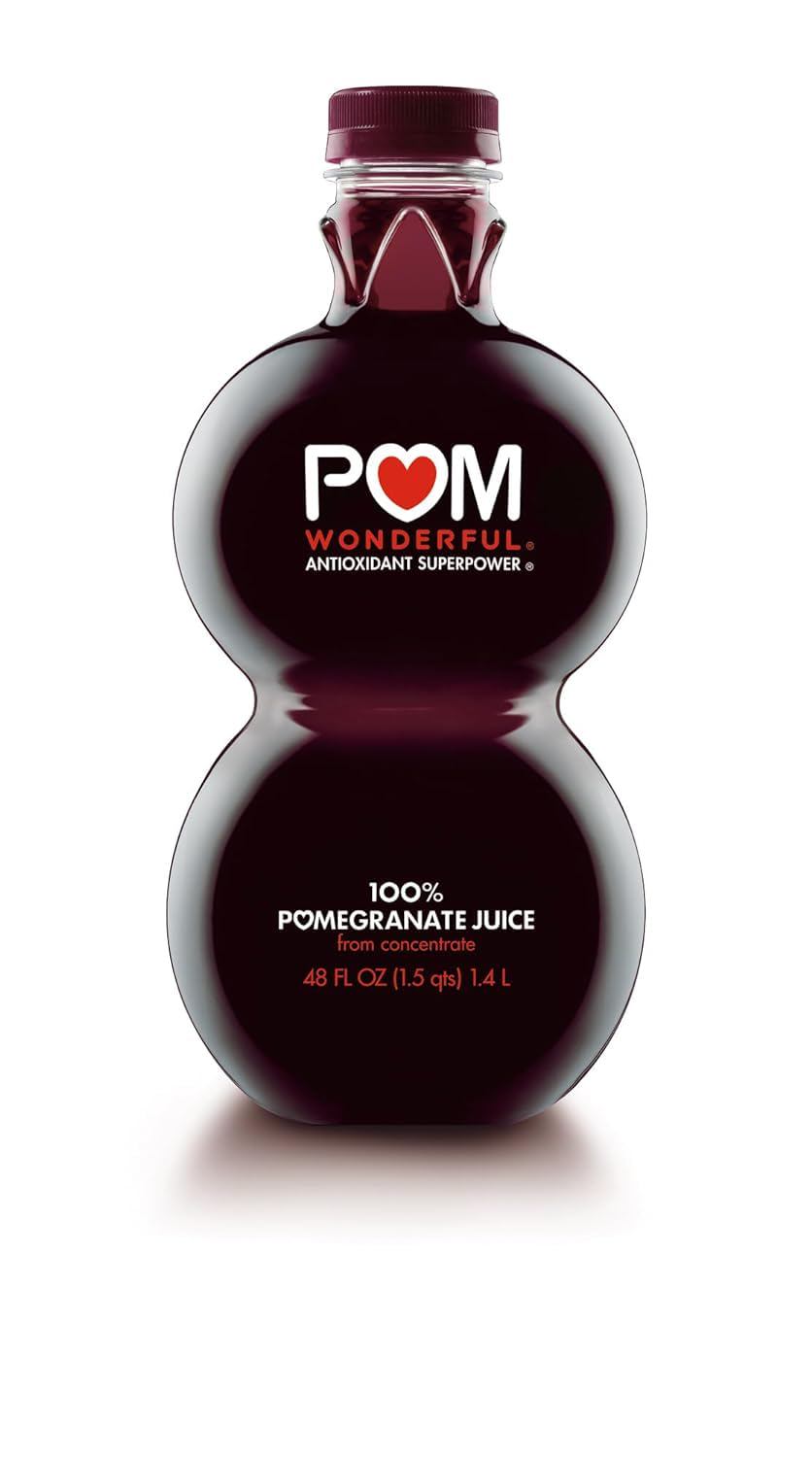
What to sip instead: Pomegranate juice is rich in antioxidants called ellagitannins, which help protect skin from UV damage from the inside out. It also has a lower glycemic impact than orange juice. Another excellent option is watermelon juice, which is naturally hydrating and contains lycopene, a carotenoid that supports skin repair. Both are delicious, less photosensitizing, and better for your melasma.
Practical tips for protecting your skin from melasma
While swapping your drinks is a great start, melasma is stubborn, and it responds best to a consistent routine. Wear a broad-spectrum mineral sunscreen (zinc oxide or titanium dioxide) every single day, even if you're only going to the car. A wide-brimmed hat and sunglasses are your best friends. Talk to your dermatologist or midwife about safe brightening ingredients like azelaic acid or vitamin C, which are generally considered safe during pregnancy.
Your skin is telling the story of your pregnancy, and it's okay if it looks different than you expected. With thoughtful swaps and a little patience, you can help your complexion feel more even—and enjoy your beverages with confidence.