
When stress levels spike, your skin often bears the brunt. That familiar, tender bump that appears right before a big presentation isn't a coincidence. The relationship between emotional strain and breakouts is well-documented, driven largely by the hormone cortisol, which can ramp up oil production and trigger inflammation. While a solid skincare routine helps, what you put on your plate may be just as important as what you put on your face.
We spoke with registered dietitians who specialize in dermatology to identify five foods that can help calm the inflammatory response behind stress-related acne. These aren't miracle cures, but they are effective nutritional tools that support your skin from the inside out.
Why stress makes acne worse
Understanding the mechanism is the first step. When you're under pressure, your body releases cortisol. This hormone signals your sebaceous glands to produce more sebum—the oily substance that can clog pores. At the same time, stress weakens the skin barrier, making it easier for bacteria to thrive and harder for inflammation to resolve. This means a breakout that might have been small under calm conditions can become red, swollen, and persistent.
1. Fatty fish for omega-3s
Salmon, mackerel, sardines, and other cold-water fish are rich in EPA and DHA, two types of omega-3 fatty acids that act as potent anti-inflammatory agents. Dietitians point to research showing that omega-3s can reduce the production of molecules that trigger acne-causing inflammation.
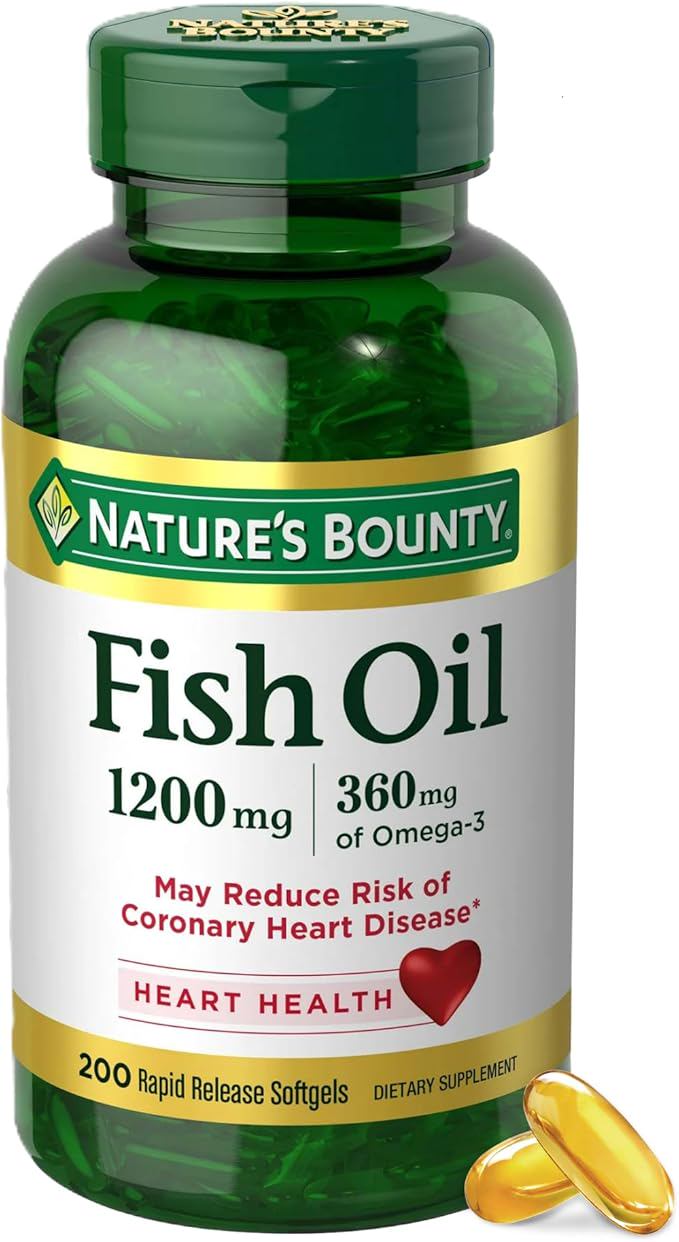
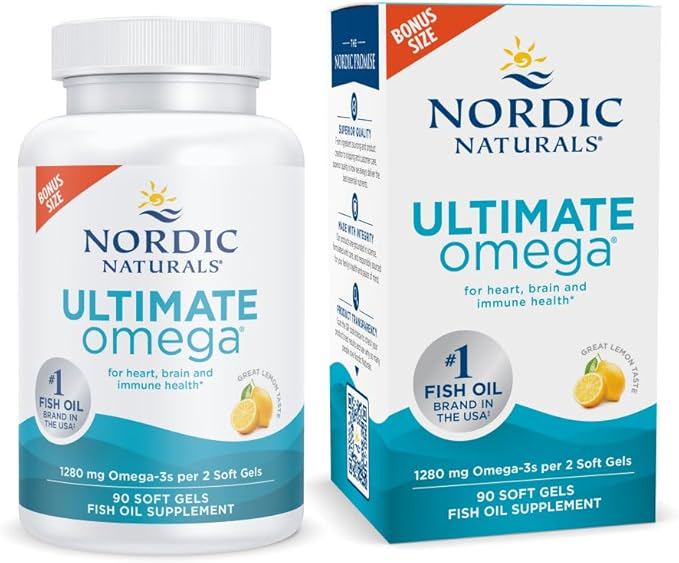
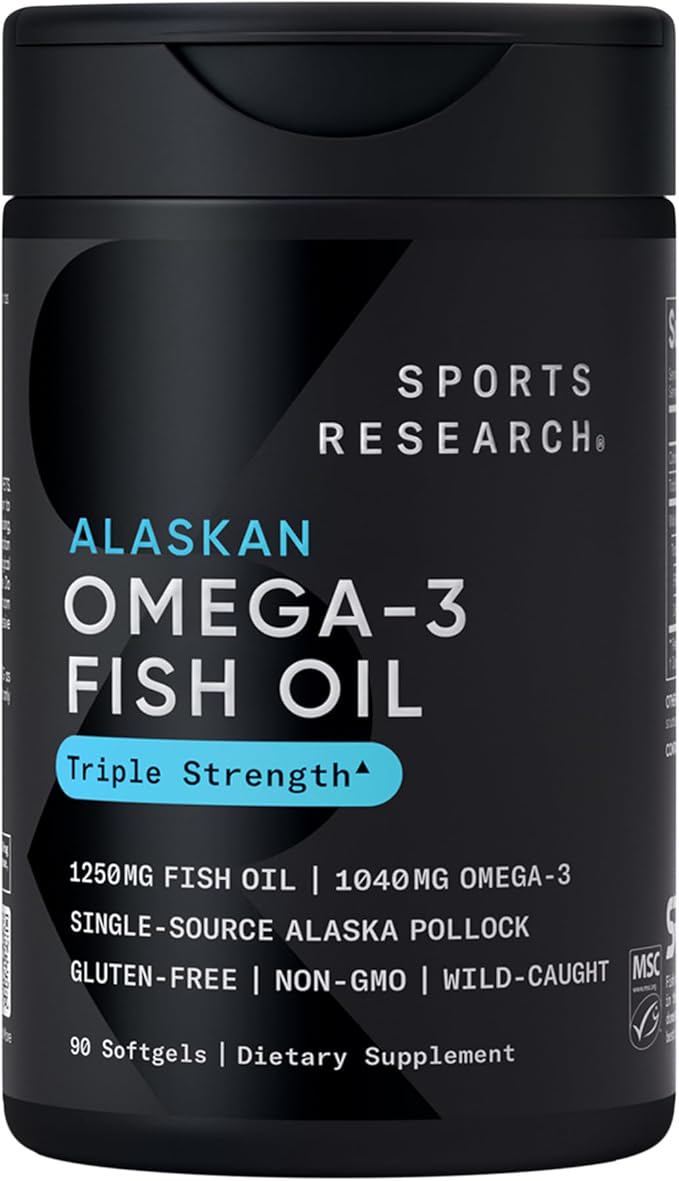
“Think of these fats as a fire extinguisher for your skin,” explains one dietitian we interviewed. “They help calm the redness and swelling that make stress breakouts look more angry and noticeable.” Aim for two servings per week. Not a fish fan? A high-quality fish oil supplement can be a helpful alternative, but whole food sources are preferred for their complete nutrient profile.
2. Avocados for vitamin E and healthy fats
Avocados are more than just trendy toast toppers. They are a rich source of vitamin E, a fat-soluble antioxidant that protects skin cells from oxidative stress. When cortisol levels are high, your body produces more free radicals—unstable molecules that damage cells and worsen acne lesions.
“Vitamin E works synergistically with the healthy fats in avocados to support the skin’s lipid barrier,” another dietitian notes. “A strong barrier is less reactive and better at keeping out the bacteria that can turn a clogged pore into an inflamed pimple.” A quarter to half an avocado daily can provide meaningful skin benefits.
3. Leafy greens for magnesium and zinc
Dark, leafy greens like spinach, kale, and Swiss chard are packed with two minerals that are crucial for stress-related acne: magnesium and zinc.
- Magnesium helps regulate the nervous system and can actually dampen the body's cortisol response. “When your magnesium levels are adequate, you’re less likely to experience the spike in cortisol that exacerbates acne,” a dietitian explains.
- Zinc is a well-studied anti-inflammatory mineral that also helps control oil gland activity. Some research suggests that people with acne tend to have lower zinc levels.
You don't need massive salads. Toss a handful of spinach into your morning smoothie or sauté some kale as a side dish. The key is consistency.
4. Green tea for catechins
The humble cup of green tea is a surprisingly effective tool against stress acne. It contains a powerful class of antioxidants called catechins, the most prominent being epigallocatechin gallate (EGCG). These compounds have been shown to reduce sebum production and calm the inflammatory cascade that leads to redness and swelling.
“EGCG also helps modulate the stress response itself,” one dietitian points out. “So you’re addressing both the trigger and the skin reaction at the same time.”
Try swapping your second cup of coffee for unsweetened green tea. If you're sensitive to caffeine, decaffeinated versions still contain a significant amount of catechins.
5. Berries for vitamin C and anthocyanins
Blueberries, strawberries, raspberries, and blackberries are among the most antioxidant-dense foods available. They are rich in vitamin C, which is essential for collagen production and skin repair, and anthocyanins, which are pigments that give berries their deep colors and act as powerful anti-inflammatories.
“The combination of vitamin C and anthocyanins helps stabilize mast cells—immune cells that release histamine and contribute to the redness and swelling of acne,” explains a dietitian. A single serving of mixed berries in your oatmeal or yogurt provides a concentrated dose of these calming compounds.
Putting it all together: a skin-calming eating pattern
Individual foods are helpful, but the overall pattern matters most. Pairing avocado and spinach in an omelet, enjoying salmon with a side of sautéed kale, or blending berries with spinach and green tea as a smoothie base creates a cumulative anti-inflammatory effect.
It's also important to note what to avoid during high-stress periods. High-glycemic foods—think sugary drinks, white bread, and chips—can spike blood sugar and insulin, which in turn can increase oil production and inflammation. Similarly, dairy may be a trigger for some individuals, though the evidence is less clear-cut.
Consistency over perfection is the healthy mindset. Adding one or two of these foods most days will serve you better than an extreme overhaul you can't sustain.
Remember the stress-skin connection
While food can help manage inflammation, it won't eliminate the root cause of stress. Adequate sleep, regular movement, and mindfulness practices are essential partners to any anti-inflammatory diet. When your stress levels drop, your skin often follows suit.
As one dietitian summarized: “You can't eat your way out of a stressful life, but you can eat in a way that gives your skin a fighting chance when stress shows up.”