If you're navigating the frustrating world of cystic acne, you've likely considered every topical treatment and skincare routine. But sometimes, the answer isn't just on your skin—it might be on your plate. Dermatologists have long observed connections between diet and inflammatory skin conditions, and while the science is nuanced, certain foods consistently appear as potential triggers for the deep, painful nodules of cystic acne.
This isn't about blanket condemnation of food groups or promoting restrictive diets. It's about understanding the physiological pathways—primarily involving inflammation, hormone fluctuations, and insulin response—that can link what you eat to the inflammation occurring deep within your pores. By recognizing these potential connections, you can move from feeling powerless to having a clearer, more informed perspective on your skin's unique needs.
How does food actually affect cystic acne?
Cystic acne is fundamentally an inflammatory disease. Unlike surface-level blackheads or whiteheads, cystic lesions form deep within the skin when a pore becomes clogged with oil and dead skin cells, creating an environment where bacteria can thrive. The body's immune system responds with significant inflammation, leading to those painful, swollen bumps.
Certain foods can influence this process in a few key ways. They can spike insulin and insulin-like growth factor 1 (IGF-1), which in turn can increase oil production and skin cell growth. Others may directly promote systemic inflammation or influence hormone levels that govern your skin's oil glands. It's a cascade effect, where diet is one piece of a complex puzzle that also includes genetics, stress, and skincare habits.
Think of potential dietary triggers not as villains, but as clues. Your body's response is highly individual.
Foods dermatologists often suggest monitoring
Based on clinical observation and a growing body of research, dermatologists frequently point to several food categories when patients are struggling with persistent, inflammatory acne. The goal here is mindful observation, not immediate elimination.
High-glycemic foods and refined carbohydrates
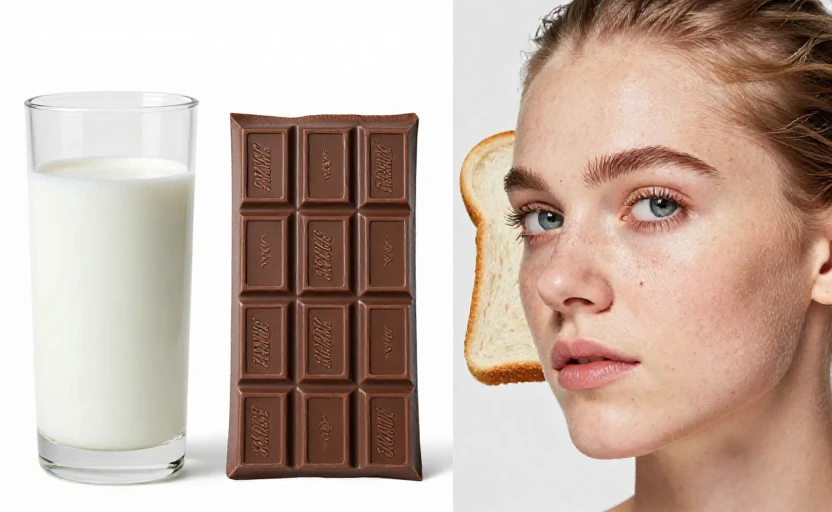
This category includes white bread, pastries, sugary cereals, white rice, and other processed carbs that cause a rapid spike in blood sugar. The subsequent insulin surge can increase IGF-1, which has been shown in studies to stimulate oil gland activity and worsen acne. A diet consistently high in these foods keeps this inflammatory pathway active.
Dairy products, particularly skim milk
The link between dairy and acne is one of the most discussed. Research suggests that the hormones naturally present in milk, along with the whey and casein proteins, may interact with human hormones to stimulate oil glands. Interestingly, some studies find skim milk to be more strongly associated with acne than whole milk, possibly due to its processing or higher glycemic index.
Whey protein powder
A common staple in fitness regimens, whey protein is a dairy derivative rich in branched-chain amino acids that can boost IGF-1. For some individuals, regular consumption of whey protein shakes or bars correlates with the onset or worsening of severe, inflammatory acne.
Foods high in saturated and certain unhealthy fats
Diets heavy in fried foods, fatty cuts of red meat, and processed snacks high in certain oils (like some vegetable oils) may promote a state of systemic inflammation. This underlying inflammation can potentially fuel the inflammatory fire of cystic acne.
Chocolate
While the evidence is mixed and often points to the sugar and dairy in many chocolate products, some controlled studies have shown that consuming pure cocoa can increase acne lesions in susceptible people. The mechanism isn't fully clear but may involve an immune response to the cocoa itself.
How to identify your personal triggers
If you suspect diet is playing a role, a methodical approach is far more helpful than a frantic purge. Start by keeping a simple food and symptom journal for a few weeks, noting what you eat and any changes in your skin. Look for patterns, not one-off incidents.
Consider working with a dermatologist or registered dietitian. They can help you design a short-term elimination trial—typically removing one suspected food group for 4-6 weeks—to see if your skin improves. This should always be done thoughtfully to ensure you maintain balanced nutrition.
Remember, correlation isn't always causation. Stress, sleep, and menstrual cycles can also flare acne, so it's important to view your dietary observations within the full context of your health.
What to focus on instead
Shifting focus to what you can add to your diet is often a more positive and effective strategy than fixating solely on removal. An anti-inflammatory, nutrient-dense diet is generally supportive of skin health.
- Colorful fruits and vegetables: Rich in antioxidants like vitamins A, C, and E, which can help combat oxidative stress in the skin.
- Foods with omega-3 fatty acids: Found in fatty fish (like salmon and mackerel), walnuts, flaxseeds, and chia seeds, these fats are known for their anti-inflammatory properties.
- Zinc-rich foods: Such as pumpkin seeds, lentils, and chickpeas. Zinc plays a role in wound healing and modulating inflammation.
- Probiotic-rich foods: Like yogurt (if you tolerate dairy), kefir, kimchi, and sauerkraut, which support gut health. An emerging area of research explores the gut-skin axis and how a balanced microbiome may influence inflammation.
Hydration is also key. Drinking enough water supports every cellular function, including the health and turnover of your skin cells.
Navigating cystic acne is a journey that requires patience and self-compassion. Diet is one lever you can explore, but it's rarely the sole answer. By understanding these potential dietary connections, you equip yourself with knowledge, allowing you to have more productive conversations with your dermatologist and make choices that feel right for your body and your skin.