
You’ve signed up for the gym, watched a few form videos, and maybe even bought a pair of gym shoes that actually fit. But when it comes to what to eat before you lift, it’s easy to feel lost—or to just grab whatever is in the pantry. Your body needs the right fuel to perform, recover, and avoid that shaky, lightheaded feeling halfway through a set. Here are five expert-backed pre-workout nutrition tips tailored specifically for beginner lifters. Small adjustments can make a big difference in how you feel and how you progress.
Why pre-workout nutrition matters for new lifters
When you lift weights, your muscles rely on stored energy called glycogen. If you haven’t eaten properly, your tank is low. That means fewer reps, less power, and a greater chance of feeling dizzy or fatigued. Consuming the right mix of nutrients before exercise helps maintain steady blood sugar, supports focus, and primes your muscles to work harder. For beginners especially, a consistent pre-workout routine builds confidence and prevents the common pitfall of quitting because a session felt miserable.
Tip 1: Time your meal—or snack—strategically
One of the most common questions new lifters ask is how long to wait after eating before hitting the weights. The general rule is to eat a balanced meal containing carbs, protein, and a little fat about 2–3 hours before your workout. If you’re short on time, a smaller snack 30–60 minutes beforehand works well. The goal is to avoid working out on a full stomach (which can cause cramping) or on an empty one (which can drain your energy). Experiment during low-pressure sessions, like a light upper-body day, to find your personal sweet spot.
Tip 2: Prioritize carbohydrates for steady energy
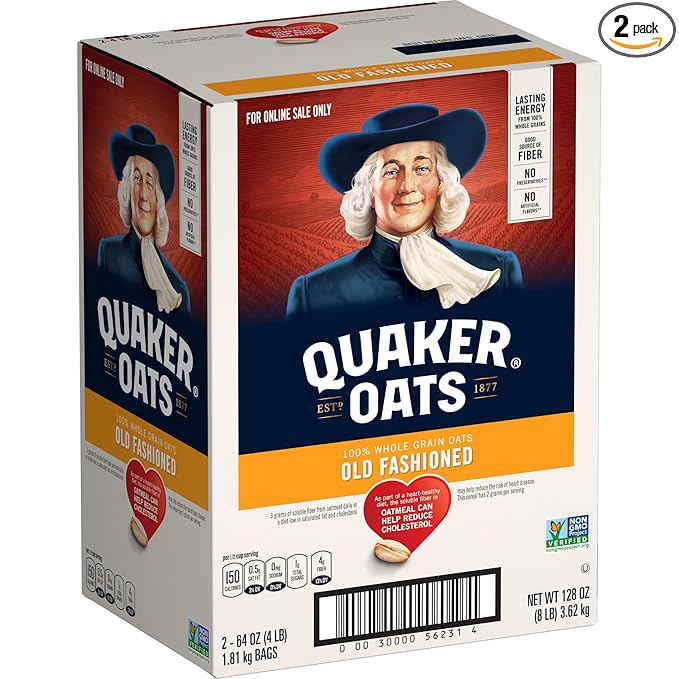
Carbohydrates are your muscles’ preferred fuel source. For pre-workout nutrition, focus on easily digestible carbs that won’t weigh you down. Think a banana, a slice of whole-grain toast with a thin layer of jam, or a small bowl of oatmeal. These options provide quick energy without spiking your blood sugar too sharply. If you train early in the morning, even a small glass of orange juice or a handful of dried fruit can help. The key is to see how your body responds—some people feel best with a more substantial carb snack, while others do fine with just a piece of fruit.
Tip 3: Don’t skip protein—but keep it light
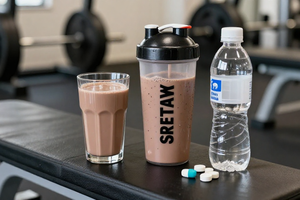
Protein before lifting isn’t just for bodybuilders. Including a moderate amount before your workout can help reduce muscle damage and improve recovery. Aim for about 10–20 grams of protein in your pre-workout meal or snack. Examples include a small scoop of whey or plant protein in water, a hard-boiled egg, or a few slices of turkey. Avoid heavy, fatty protein sources like a big steak or full-fat cheese, which can slow digestion and make you feel sluggish. The idea is to give your muscles a head start on repair without overwhelming your stomach.
A quick note for beginners: don't confuse pre-workout supplements (like powders with caffeine) with actual food. Start with real, whole foods and only consider supplements later if you feel you need an extra edge.
Tip 4: Hydrate before you sweat
Water is perhaps the most overlooked part of pre-workout nutrition. Even mild dehydration can impair strength, endurance, and focus. Drink about 16–20 ounces of water 1–2 hours before your workout, and another 8 ounces about 15 minutes prior. If you’re someone who sweats heavily or works out in a hot environment, you might also benefit from a pinch of salt in your water or an electrolyte tablet. Avoid sugary sports drinks unless you’re doing a very long or intense session; for a typical 45-minute lifting session, water suffices.
Tip 5: Customize based on your training time
Your pre-workout strategy should shift depending on when you lift. Morning lifters often struggle because appetite is low and time is short. In that case, a light snack like half a banana or a rice cake with peanut butter can be digested quickly. Afternoon or evening lifters have more flexibility and can eat a balanced lunch several hours before. Pay attention to how your body feels at different times of day. If you feel nauseous after a certain snack, try a smaller portion or a different food. Consistency matters more than perfection.
Putting it all together: a sample pre-workout plan
If you want a no-fuss starting point, try this: two hours before your workout, eat a small bowl of oatmeal with a handful of berries and a tablespoon of almond butter. Drink a glass of water. About 30 minutes before lifting, have half a banana if you feel you need extra energy. Sip water as you warm up. After your session, focus on a meal with protein and carbs to support recovery. Adjust portions up or down based on your hunger and energy levels.
Common mistakes beginners make
- Overeating right before a workout – A large meal close to training can cause discomfort and sluggishness.
- Relying on caffeine too heavily – Coffee or pre-workout powders can mask fatigue and lead to crashes later.
- Skipping food entirely – This often leads to low energy, dizziness, and a subpar session.
- Ignoring individual tolerance – What works for a friend may not work for you; experiment with timing and portions.
The best pre-workout nutrition for a beginner lifter is simple, consistent, and tailored to your own body. By paying attention to what you eat and when you eat it, you can make every session more effective and enjoyable. Start with these five tips, listen to how you feel, and adjust as you go. Your strength journey begins with the fuel you choose.