
You've just finished a tough strength session. Your muscles are pumped, your shirt is damp, and you feel that satisfying tremor in your quads. Now comes the part many new lifters rush or ignore: feeding your body for recovery and growth. What you eat in the hour or two after training can make a real difference in how you feel tomorrow—and how quickly you see results.
For a strength-training beginner, the right post-workout nutrition doesn't need to be complicated or expensive. These five science-supported tips will help you refuel effectively, repair muscle tissue, and build a sustainable habit.
1. Prioritize protein for muscle repair
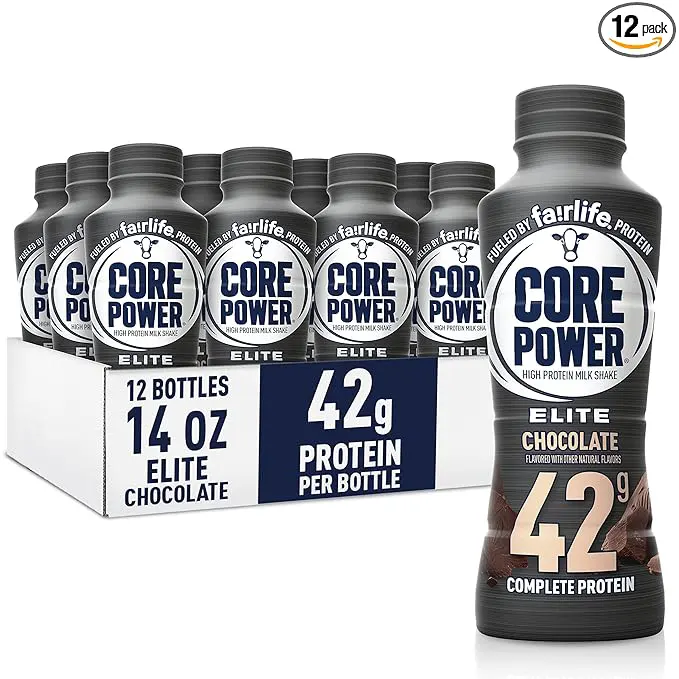
When you lift weights, you create microscopic tears in your muscle fibers. Protein provides the amino acids your body needs to repair those tears and build new tissue. The general guideline for a new strength trainee is roughly 20–30 grams of protein after a workout. This doesn't mean you need to chug a shake the second you drop the barbell. A meal or snack with complete protein—meaning it contains all nine essential amino acids—works perfectly.
Good sources include chicken breast, Greek yogurt, eggs, cottage cheese, or a quality whey or plant-based protein powder. If you eat a balanced meal within two hours of training, you're on track. The key is consistency, not perfection.
2. Don't skip carbohydrates
Many beginners fixate on protein and forget about carbs. After strength training, your muscle glycogen stores are partially depleted. Eating carbohydrates helps replenish that energy fuel and can also improve protein absorption. Aim for a mix of protein and carbs in a ratio of roughly 1:2 or 1:3 (grams of protein to grams of carbs).
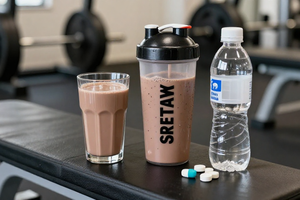
Whole-food options like a banana with peanut butter, a bowl of oatmeal with berries, sweet potatoes, or brown rice paired with your protein source work beautifully. If you're short on time, a glass of chocolate milk actually delivers nearly the ideal ratio for recovery—and tastes good, too.
A simple rule of thumb: about 20–30 grams of protein plus 40–60 grams of carbohydrates in your post-workout window is a solid target for most new lifters.
3. Time your meal for convenience, not panic
The old idea that you have a tight 30-minute “anabolic window” after training is mostly a myth. While eating sooner rather than later is beneficial, the window is more like two to three hours. What matters more is getting a nutritious meal in that window, not the exact minute.
For many people, the easiest strategy is to prepare a balanced meal or snack ahead of time—especially if you train on the way home from work. Scrambled eggs with toast, a turkey sandwich, a smoothie with fruit and protein powder, or even leftovers from last night's dinner all work. The best timing is the one you can actually stick with consistently.
4. Hydrate with purpose
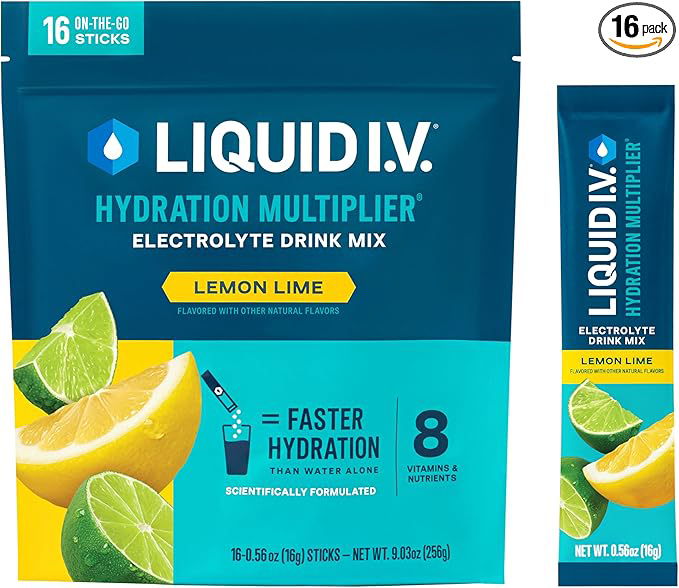
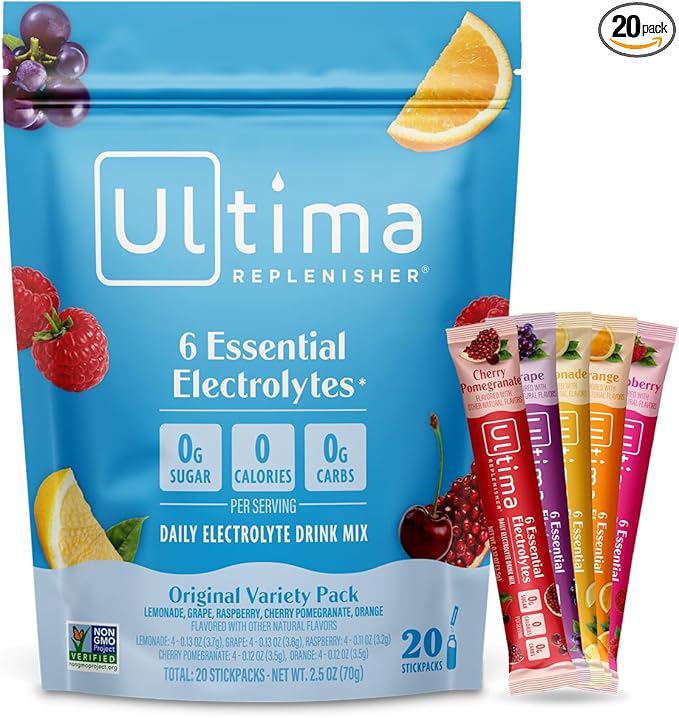
Strength training causes fluid loss through sweat, even in a cool gym. Dehydration can slow recovery and reduce your performance in the next session. Water is usually sufficient, but if you sweat heavily or trained for more than an hour in a warm environment, consider adding electrolytes.
A practical approach: drink about 16–24 ounces (roughly 500–700 ml) of fluid for every pound (0.5 kg) of weight lost during exercise, or simply sip water until your urine is light yellow. Coconut water, electrolyte tablets, or a pinch of salt and a squeeze of lemon in water can help replace what you lost.
5. Listen to your hunger and energy signals
Everyone's body is different. A novice lifter who trains in the morning might feel ravenous afterward, while someone who trains after a large lunch may only want a light shake. Learn to trust your appetite and energy cues rather than trying to follow a rigid template.
If you regularly feel sluggish, irritable, or very sore the day after training, you might need to increase your overall calorie intake—especially protein and carbohydrates. If you're feeling good and progressing, your current approach is likely fine. The best post-workout plan is one you can adapt to your real life without stress.
This article is for general wellness and educational purposes only. Individual nutritional needs vary based on body size, activity level, health status, and goals. Consult a qualified healthcare provider or registered dietitian for personalized advice.