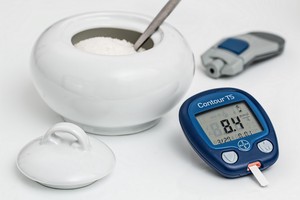

Managing blood sugar is a daily focus for millions of people living with diabetes or prediabetes. Yet small, consistent changes to your plate can have an outsized impact—not just on glucose levels, but on your long-term risk of complications like nerve damage, heart disease, and kidney trouble. Below are five diet swaps that experts consistently recommend, grounded in how real foods affect your metabolism.
Swap white rice and bread for legumes and whole grains
Refined carbohydrates hit the bloodstream quickly, causing a sharp glucose spike. The research-backed swap is to replace white rice, white bread, and regular pasta with lentils, chickpeas, black beans, or whole grains like quinoa, barley, and steel-cut oats. A 2021 meta-analysis in The American Journal of Clinical Nutrition found that replacing one serving of refined grains with legumes significantly lowered fasting blood sugar and HbA1c over time. Legumes are rich in soluble fiber and resistant starch, which slow digestion and blunt post-meal glucose rises. Try starting with a lentil soup instead of a sandwich at lunch, or mixing half chickpeas with half white rice when you cook.
Switch sugary drinks to water, unsweetened tea, or sparkling water with citrus
Liquid sugar is absorbed faster than any other form. A single 12-ounce soda can deliver 30–40 grams of added sugar, and studies show that cutting sugary beverages is one of the single most effective diet changes for lowering HbA1c. A 2019 trial in Diabetes Care found that replacing one daily sugary drink with water was associated with a 4–6 percent reduction in diabetes risk and better glycemic control. The swap is straightforward: always choose water, seltzer with a squeeze of lemon or lime, or unsweetened iced tea. If you crave sweetness, a few drops of stevia or monk fruit can help without raising blood sugar.
Replace processed snack foods with nuts, seeds, and cheese
Many packaged snacks are high in refined flour, sugar, and unhealthy fats—a triple threat for blood sugar and cardiovascular health. A better option is a handful of raw almonds, walnuts, pistachios, or pumpkin seeds. Nuts provide healthy monounsaturated fats, magnesium, and fiber. Research from the Journal of Nutrition in 2020 showed that replacing a typical high-carb snack with one ounce of almonds reduced post-meal glucose spikes by about 30 percent. Pairing a few nuts with a small piece of cheese (which offers protein and fat) can further steady blood sugar between meals. If you need more volume, try sliced vegetables with hummus or guacamole.
Choose lean protein and fish over red and processed meats
High intake of red meat—especially processed varieties like bacon, sausage, and deli meats—is linked to increased insulin resistance, inflammation, and higher risk of diabetic complications. The recommended swap is to replace some of that red meat with skinless poultry, eggs, tofu, or fish rich in omega-3 fatty acids (salmon, sardines, mackerel). A 2022 systematic review in Advances in Nutrition found that replacing red meat with fish improved fasting insulin and triglyceride levels. Even swapping out bacon at breakfast for scrambled eggs with spinach and avocado can shift your glucose profile over time. Aim for at least two servings of fatty fish per week.
Substitute high-sugar breakfasts with high-protein, lower-carb options
Many typical breakfasts—cereal, oatmeal packets, flavored yogurt, pastries—are loaded with added sugars and refined carbs, which can set off a blood sugar roller coaster for the rest of the day. The expert swap is to start with a protein-rich meal: eggs, Greek yogurt (plain, unsweetened), cottage cheese, or a smoothie with protein powder, spinach, and unsweetened almond milk. A 2020 study in Nutrients observed that a high-protein breakfast (25–30 grams of protein) reduced post-breakfast glucose spikes and led to better appetite control throughout the day. Keep it simple—for example, two scrambled eggs with sautéed vegetables and a side of half an avocado.
These five swaps aren't about perfection. Even integrating one or two of them into your routine can produce measurable improvements in your blood sugar, energy, and long-term health. As always, speak with your healthcare provider or a registered dietitian before making major changes—especially if you take medication for diabetes.