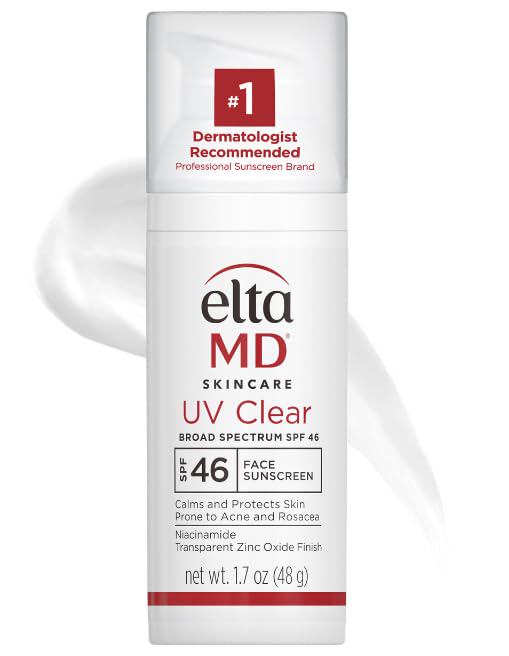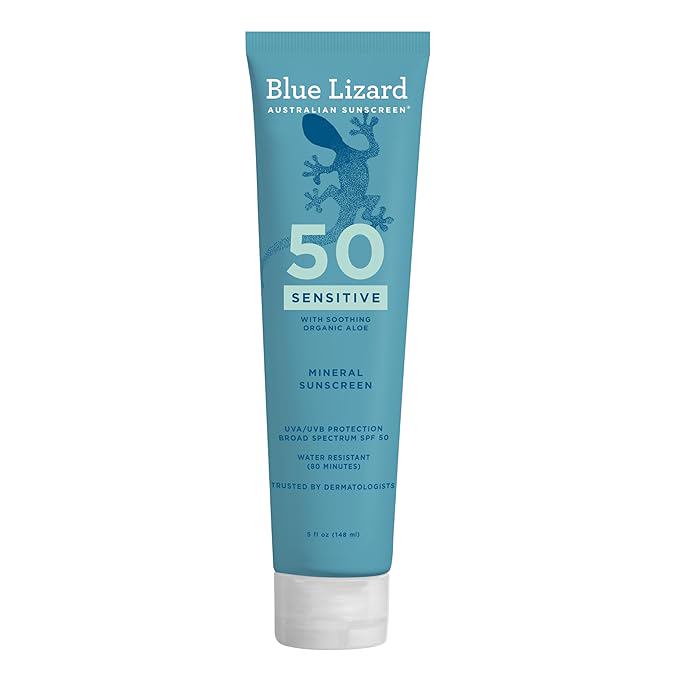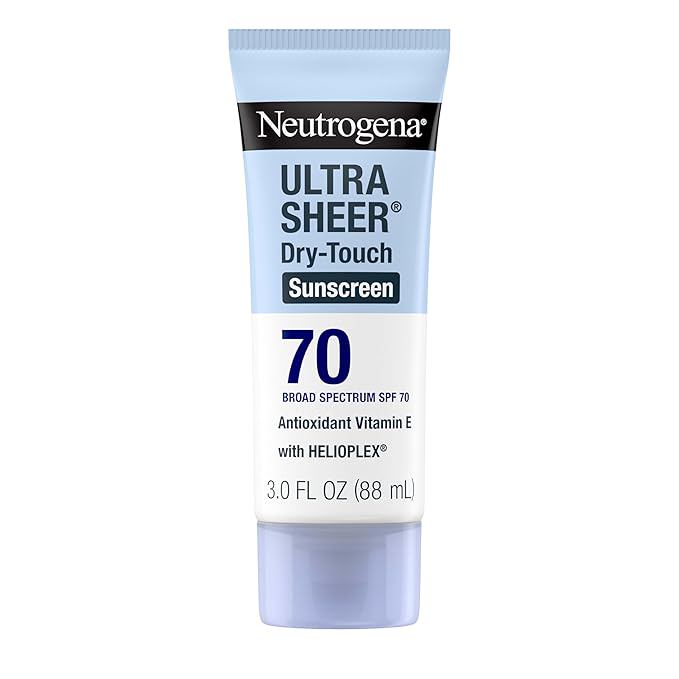
Hyperpigmentation is a stubborn skin concern. You might be using serums, SPF, and every brightening cream on the shelf, yet those dark patches linger or even seem to get darker. The culprit often isn't a lack of effort—it's a handful of everyday habits that quietly undo your progress. Here are five common routines that can worsen hyperpigmentation, along with practical swaps to keep your skin tone even.
1. Skipping sunscreen on cloudy days or indoors
Sun protection is non-negotiable for hyperpigmentation. UV rays penetrate clouds and windows, triggering melanin production even when you're not in direct sunlight. If you only apply SPF for beach days or outdoor workouts, your skin is exposed during daily commutes, sitting by a window, or running errands. This cumulative exposure deepens existing dark spots and creates new ones.
What to do instead: Make a lightweight, broad-spectrum SPF 30 or higher part of your morning routine—rain or shine. Reapply every two hours if you're near windows or outdoors. Mineral sunscreens with zinc oxide or titanium dioxide are often gentler for hyperpigmentation-prone skin.
2. Picking at blemishes or rough patches
When a pimple, dry flake, or bump appears, the instinct to pick, scratch, or squeeze can be strong. But this causes inflammation at the skin's surface. In melanin-rich skin, inflammation is a direct signal for melanocytes to produce excess pigment, leaving behind a dark mark known as post-inflammatory hyperpigmentation (PIH). The more you disturb the area, the longer the discoloration lasts.
What to do instead: Apply a hydrocolloid patch over blemishes to prevent touching. For dry patches, use a gentle exfoliant like lactic acid or a hydrating mask to smooth skin without physical trauma. Resist the urge to scratch—pat or press gently if needed.
3. Over-exfoliating or using harsh scrubs
It's a common belief that rough scrubbing will erase dark spots faster. In reality, aggressive exfoliation strips the skin barrier, leading to micro-tears and inflammation. When the barrier is compromised, the skin becomes more reactive to UV and pollutants, which can worsen pigmentation. Physical scrubs with large, irregular particles are especially risky.
What to do instead: Stick to chemical exfoliants like AHAs (glycolic, lactic) or PHAs, which dissolve dead skin cells evenly. Limit exfoliation to 1–2 times per week, and never exfoliate on irritated or sunburned skin. If your skin feels tight or stings after products, dial back.
4. Applying harsh active ingredients without a buffer
Ingredients like retinol, vitamin C, and alpha-hydroxy acids can brighten skin when used correctly. But using them on damp skin, layering too many at once, or starting with a high concentration often triggers irritation—a major driver of hyperpigmentation. Redness, stinging, or peeling are signs your skin barrier is under stress, which can paradoxically darken dark spots.
What to do instead: Introduce one active at a time. Apply retinol or AHAs to completely dry skin, and wait 10–15 minutes before the next layer. Use the "sandwich method" (moisturizer, active, moisturizer) to reduce irritation. If your skin reacts, cut back to once a week and gradually increase frequency.
5. Neglecting your neck and hands
Hyperpigmentation often appears on the face, but the neck, chest, and hands are equally vulnerable to discoloration. These areas get the same UV exposure and friction from clothing or jewelry. If your brightening routine stops at the jawline, the contrast between a glowing face and a darker neck or hands can look uneven—and those spots on hands tend to be stubborn because the skin there is thicker and slower to renew.
What to do instead: Extend your SPF, moisturizer, and any brightening serums down your neck and onto your hands and décolletage. Use gentle products on these areas, as the skin is often thinner and more reactive. For hands, consider SPF-infused gloves for driving or reapply sunscreen after washing.
When to see a dermatologist
While habit changes can make a big difference, some types of hyperpigmentation—such as melasma or stubborn PIH—may require professional treatments like laser, chemical peels, or prescription creams. If you notice patches that are irregularly shaped, rapidly growing, or painful, call a board-certified dermatologist for an evaluation.