
We all want smooth, even-looking skin. But sometimes, despite our best efforts, texture issues—rough patches, enlarged pores, clogged bumps, or an uneven surface—creep in. Often, the cause isn't some complex skin condition; it's a few everyday habits we don't think twice about. The good news? Once you know what you're doing wrong, fixing your routine can transform your skin's feel and appearance.
Here are five common skincare mistakes that can ruin your skin texture—and what to do instead.
1. Over-Exfoliating in the Name of Smoothness
It's tempting to scrub away rough texture. But exfoliating too often—or using harsh physical scrubs—can damage your skin barrier. When that barrier is compromised, your skin loses moisture and becomes vulnerable to irritation, redness, and tiny, rough bumps. Over-exfoliation can also trigger excess oil production as a defense mechanism, leading to clogged pores and congestion.
The fix: Exfoliate no more than 2–3 times per week. Choose a gentle chemical exfoliant with lactic acid or polyhydroxy acids (PHAs) instead of gritty scrubs. Listen to your skin: if it feels tight, stings, or looks shiny like plastic, you've overdone it.
2. Skipping Moisturizer — Even for Oily Skin
Many people with oily or acne-prone skin skip moisturizer, thinking it will make them greasier. In reality, skipping hydration can backfire. When your skin feels dry, it can overcompensate by producing more sebum. That excess oil mixes with dead skin cells and clogs pores, creating a bumpy, uneven surface.
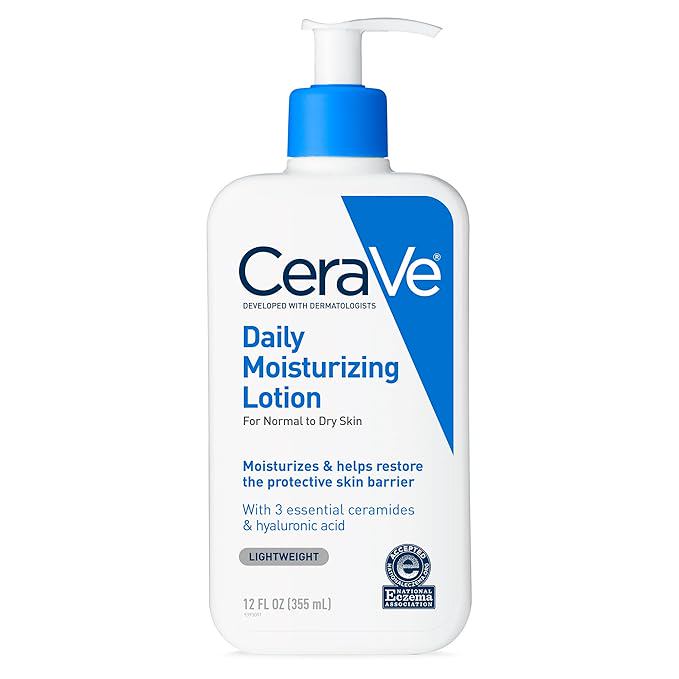
The fix: Use a lightweight, non-comedogenic moisturizer every single time you wash your face. Gel-based or water-based formulas work well for oily skin. Hydrated skin regenerates better and looks plumper and smoother overall.
3. Using the Wrong Cleanser for Your Skin Type
A cleanser that strips your skin can wreak havoc on texture. Harsh sulfates and high-pH cleansers remove natural oils and disrupt the acid mantle, leaving your skin tight and dehydrated. This can cause flaking and a rough, papery feel. On the flip side, a cleanser that is too heavy or creamy for oily skin might not remove excess oil and debris, leading to congestion.
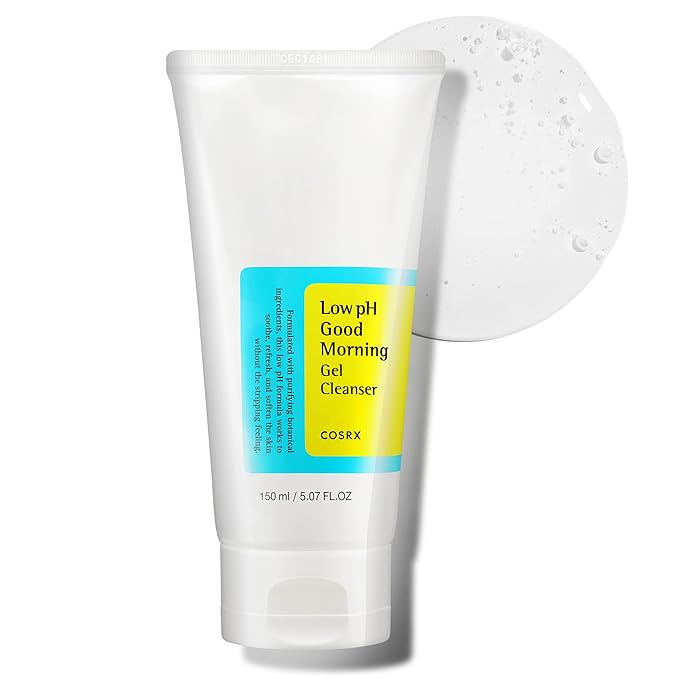
The fix: Choose a mild, pH-balanced cleanser (around 5.5). Foaming cleansers work well for oily areas, while a gentle cream or milk cleanser suits dry or sensitive skin. If your skin feels squeaky clean after washing, that's a sign it's too harsh.
4. Picking at Your Skin or Popping Pimples
We know the impulse. But picking, squeezing, or prodding at blemishes is one of the fastest ways to ruin texture. Every time you press on a pimple, you risk pushing bacteria and debris deeper into the pore, causing more inflammation. Worse, the trauma can damage collagen and elastin fibers, leading to permanent indentations or discolored spots that take months to heal.
The fix: Hands off. Apply a spot treatment with salicylic acid or benzoyl peroxide instead. For stubborn bumps, see a dermatologist for professional extractions or treatments. Your skin's surface will thank you.
5. Layering Products That Clog Pores
It's easy to fall into the trap of applying too many heavy creams, oils, or silicones. Some ingredients (like coconut oil, lanolin, or certain waxes) can be comedogenic for certain skin types. When you pile them on without checking the label, they can form a film that traps dead skin cells and sebum, creating closed comedones and rough patches.
The fix: Look for labels that say "non-comedogenic" or "won't clog pores." But also pay attention to your own skin. Introduce one new product at a time, and take note of any new texture changes. Sometimes less really is more.
The bottom line: Great skin texture isn't about doing more—it's about doing smarter. By avoiding these five mistakes, you can help your skin look smoother, feel softer, and radiate health from the inside out. Consistency and patience matter more than any single product.