
For women over 35, pregnancy often comes with the label “advanced maternal age,” a clinical term that sounds more intimidating than it needs to be. The reality is that while risks for certain conditions like gestational hypertension, preeclampsia, and chromosomal abnormalities do increase slightly after 35, the vast majority of women in this age group have healthy pregnancies and healthy babies. The true danger rarely lies in the risk itself—it lies in how we track it.
Many women, especially those who are proactive and health-conscious, tend to fall into distinct patterns when monitoring their bodies for warning signs. These aren't failures of vigilance; they're logical responses to a system that often bombards us with contradictory advice. Based on conversations with maternal-fetal medicine specialists and doulas who work primarily with this demographic, here are the five most common tracking mistakes—and how to adjust your approach.
1. Mistaking Hyperawareness for Intuition
There is a subtle but important difference between being attuned to your body and being on high alert for catastrophe. Many women over 35 enter pregnancy with a mental library of worst-case scenarios. A mild headache becomes “could this be preeclampsia?” A twinge in the lower abdomen becomes “could this be placental abruption?” This hypervigilance is exhausting, and more importantly, it can blur your ability to notice the truly unusual.
Intuition in pregnancy is quiet. It’s a deep sense that something is “off” that persists even when you rest and drink water. Hyperawareness, by contrast, is loud and anxious. It fixates on every sensation as a potential signal. The mistake is treating all discomfort as data. Instead, learn to ask yourself one question before you call your provider: “Is this symptom new, persistent, and not relieved by rest or basic self-care?” That one filter will save you countless anxious calls while still flagging the real issues.
2. Relying Only on a Traditional Blood Pressure Cuff
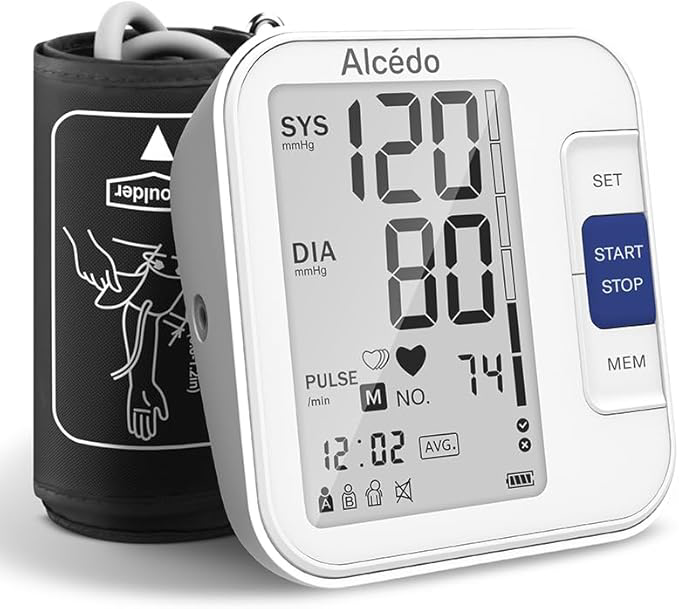
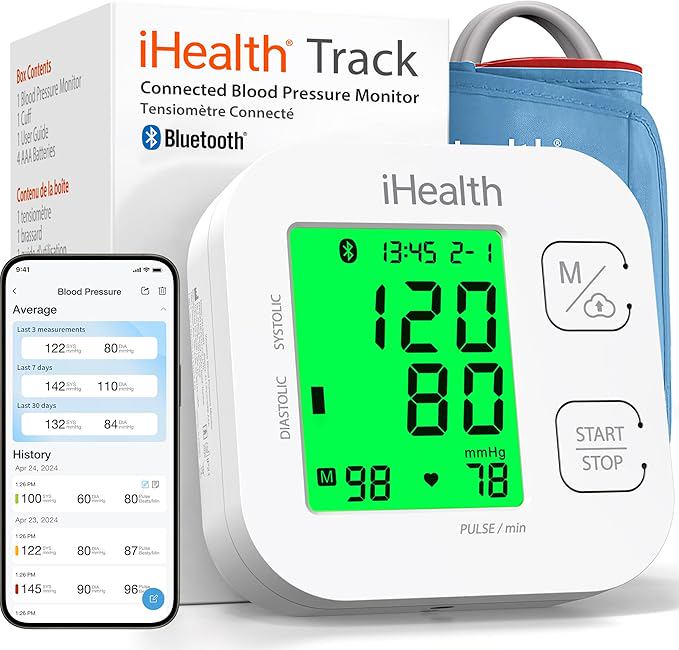
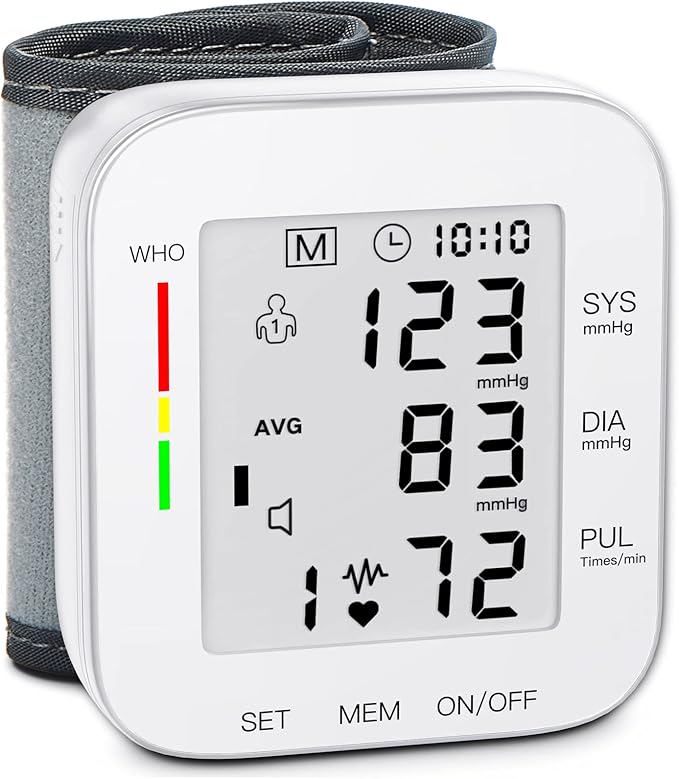
Most women over 35 know that blood pressure monitoring is critical. But the standard home monitor—the one with the inflatable cuff that wraps around your upper arm—is not as reliable as you think for pregnancy. Late pregnancy edema (swelling) can change arm circumference daily, leading to inaccurate readings. A cuff that fits snugly in your second trimester may be too tight by your third, compressing the artery and artificially elevating the reading.
A better approach: Buy a cuff that covers 80 to 100 percent of your upper arm circumference, and measure at the same time each morning—after you have emptied your bladder but before you have eaten or had caffeine. Record the number, but also note whether you feel dizzy, see spots, or have a persistent headache behind your eyes. Those subjective symptoms often precede a spike in the number by hours, giving you a critical window to act.
3. Tracking Fetal Movement Only as a Daily Checklist
The classic advice to “count kicks” is valuable, but many women over 35 make the mistake of doing it mechanically. They set a timer for an hour, feel a few movements, check the box, and move on. The problem is that fetal movement patterns are more nuanced than a simple count. A baby that is moving the same number of times but with markedly less vigor—or that only moves in response to sugar or cold water rather than spontaneously—may be sending an early warning signal.
A more effective method is to pick two windows per day when your baby is usually most active (often after meals or when you lie on your left side at night). During those windows, note the quality of the movement, not just the quantity. Is it strong rolling? Weak flutter? Does the baby respond to your touch or voice? If the pattern changes for two consecutive windows, that is a stronger indicator of potential distress than missing the arbitrary “10 kicks in one hour” threshold.
4. Using Generic Pregnancy Apps for Symptom Logging
Pregnancy apps are wonderful for tracking fundal height growth and reminding you to take prenatal vitamins. But they are not designed for the specific risk profile of women over 35. The default in-app symptom checkers often treat swelling, fatigue, and headaches as normal discomforts—which they usually are. But they lack the sensitivity to flag clusters of symptoms that might indicate something more serious.
For example, many women over 35 experience some degree of edema. An app may mark that as “normal.” But when you combine edema with a headache that lingers after Tylenol and a visual aura (flashing lights or blurry spots), you have a clinical triad that warrants immediate evaluation for preeclampsia. The mistake is trusting a generic app to connect those dots for you. Use the app for what it is—a diary. But bring your actual symptom clusters to a real human provider who can contextualize them against your age, blood work, and medical history.
5. Waiting for the “Textbook” Sign
This is perhaps the most dangerous mistake of all. Women over 35 often hesitate to call their doctor or midwife because what they are feeling does not match the classic warning signs they read about online. They expect preeclampsia to feel like a blinding headache, or gestational diabetes to announce itself with extreme thirst. In reality, many elevated blood pressures are silent until they reach crisis level. Gestational diabetes often causes no acute symptoms at all.
The mistake is waiting until you are certain. The rule of thumb in high-risk obstetrics is simple: if you feel that something is different in a way you can’t explain, that is a valid reason to seek guidance. You do not need a textbook symptom to pick up the phone. The cost of a false alarm is a single uncomfortable afternoon in a triage room. The cost of ignoring a quiet deviation can be far higher. Over-caution is not a personality flaw in pregnancy; it is a legitimate safety strategy.
Tracking warning signs during pregnancy after 35 is not about memorizing a list of symptoms. It is about learning to calibrate your attention—how to notice without panicking, how to log data without outsourcing your judgment to an app, and how to honor the difference between normal discomfort and a genuine red flag. The women who do this best are not the ones who worry the most. They are the ones who have built simple, repeatable systems: the same time of day for blood pressure, the same quality-focused movement checks, and the same low threshold for checking in with their care team.
If you are over 35 and pregnant, give yourself permission to be the woman who calls. The woman who trusts her gut even when the numbers look fine. The one who understands that the most important warning sign is not on any list—it is the quiet voice that says, “This feels different.” Listen to it.