
Cooking for your heart doesn't have to mean spending hours in the kitchen. But in the rush to get a speedy meal on the table, it's easy to slip into habits that quietly undermine the health benefits. Below are five common mistakes people make when preparing quick heart-healthy meals, along with practical ways to fix them.
1. Relying too heavily on processed shortcuts
When time is tight, it's tempting to reach for pre-made sauces, seasoning packets, canned soups, or frozen dinners labeled "low-fat." The problem? Many of these products are loaded with sodium, added sugars, and unhealthy preservatives. Even items that sound healthy, like canned vegetables or jarred pasta sauce, can contain surprising amounts of salt and sugar.
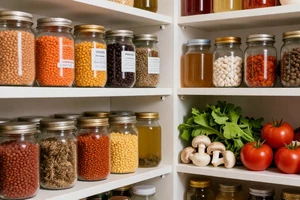
The fix: Read ingredient labels briefly but carefully. Look for "no added salt" or "low sodium" versions. Better yet, build a small pantry of quick whole ingredients: canned beans (rinsed to remove excess sodium), plain frozen vegetables, and simple spices like garlic powder, black pepper, and smoked paprika. A few basic spices can transform a meal without the sodium load.
2. Overcooking or under-seasoning vegetables
Vegetables are a cornerstone of heart-healthy eating, but cooking them poorly can ruin both their taste and nutritional value. Boiling vegetables until they are mushy, for example, leaches water-soluble vitamins into the cooking water. On the flip side, under-seasoning them can make a meal feel bland and unsatisfying, which may lead to reaching for salty or fatty toppings later.
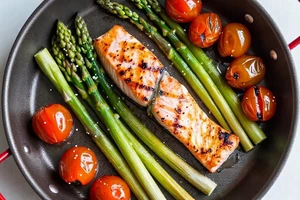
The fix: Steam or sauté vegetables just until crisp-tender. Toss them with a little olive oil, a squeeze of lemon, and a pinch of herbs or spices. This keeps nutrients intact and enough flavor that you won't miss the salt. Try roasting vegetables at high heat for a caramelized, naturally sweet result without added sugar.
3. Using too much oil or the wrong kind of fat
Healthy fats are an important part of a heart-friendly diet, but it's easy to go overboard. A glug of olive oil here, a pat of butter there—quick meals can become surprisingly high in calories and saturated fat. Conversely, some people avoid fat altogether, which can lead to meals that lack flavor and leave you hungry soon after.
The fix: Measure your oil rather than pouring it directly. One to two teaspoons per serving is usually enough. Choose unsaturated fats like olive oil, avocado oil, or canola oil for cooking, and save butter or coconut oil for rare occasions. A light spray of oil from an oil mister can also help control portions.
4. Skimping on protein or relying on processed meats
Protein helps keep you full and supports muscle health, but many fast meal solutions default to processed meats like bacon, sausage, or deli turkey. These are often high in sodium, nitrates, and saturated fat. On the other end of the spectrum, some quick meals lack enough protein entirely, leaving you hungry and more likely to snack on less healthy choices.
The fix: Incorporate lean, minimally processed protein sources. Canned beans, lentils, tofu, skinless chicken breast, or canned fish (like tuna or salmon packed in water) are quick options. You can add a handful of beans to a salad, stir a poached egg into a grain bowl, or top a baked potato with Greek yogurt and chives instead of sour cream and bacon bits.
5. Ignoring portion sizes of healthy ingredients
It's easy to assume that if an ingredient is heart-healthy, you can eat as much as you want. But even good foods like nuts, avocados, whole grains, and olive oil are calorie-dense. Overdoing portions can lead to weight gain, which puts extra strain on your heart.
The fix: Use simple visual cues to keep portions in check. A serving of nuts is about a small handful. Cooked grains should fill about a quarter of your plate. A serving of avocado is roughly a quarter of the fruit. This approach lets you enjoy nutrient-rich foods without overdoing it.
Making heart-healthy meals quickly is absolutely possible. The key is to be aware of these common slip-ups and adjust your habits one step at a time. Small changes, like choosing better shortcuts, seasoning wisely, and keeping portions in check, add up over the long run.