You're doing everything right. You load your plate with leafy greens, choose lean proteins, and skip the sugary drinks. Your heart should be thanking you. But even a diet that looks perfect on paper can have blind spots. One of the most common? Not getting enough omega-3 fatty acids.
Omega-3s are a type of polyunsaturated fat that play a crucial role in heart health. They help reduce inflammation, lower triglycerides, and can even support healthy blood pressure. The body doesn't produce them on its own, so we rely entirely on food. If you're eating a generally healthy diet but still feel like something is off, your omega-3 intake might be the missing piece. Here are two subtle signs that your heart-healthy diet may be running low on these essential fats.
Sign 1: You Feel Consistently Tired or Have Brain Fog
Fatigue is easy to blame on a busy schedule or poor sleep. But if you're waking up groggy, struggling to concentrate by mid-afternoon, or feeling mentally sluggish, your brain might be sending a signal about fatty acids. DHA (docosahexaenoic acid), a type of omega-3, is a major structural component of the brain. Low levels can affect neurotransmitter function and blood flow, leading to that foggy feeling.
This isn't about the occasional sleepy afternoon. It's a persistent, low-energy state that doesn't improve with more rest or caffeine. If you've ruled out other common causes like iron deficiency or dehydration, it's worth looking at your fat intake. Healthy fats aren't just for warmth—they're fuel for your mind.
Sign 2: Dry, Irritated Skin That Doesn't Heal Quickly
Your skin is often the first place nutrition deficiencies show up. Omega-3s help regulate oil production and manage inflammation. When levels drop, your skin's barrier can weaken. You might notice persistent dryness, flakiness on your arms or legs, or even small red bumps on the back of your upper arms—sometimes called keratosis pilaris.
Slathering on more lotion won't fix this from the inside out. If your skin feels tight, looks dull, or doesn't bounce back quickly from minor scrapes or breakouts, your diet may be lacking the essential fatty acids that keep cell membranes flexible and hydrated. This is a classic sign that your body needs more EPA (eicosapentaenoic acid), another critical omega-3.
What to Do About It
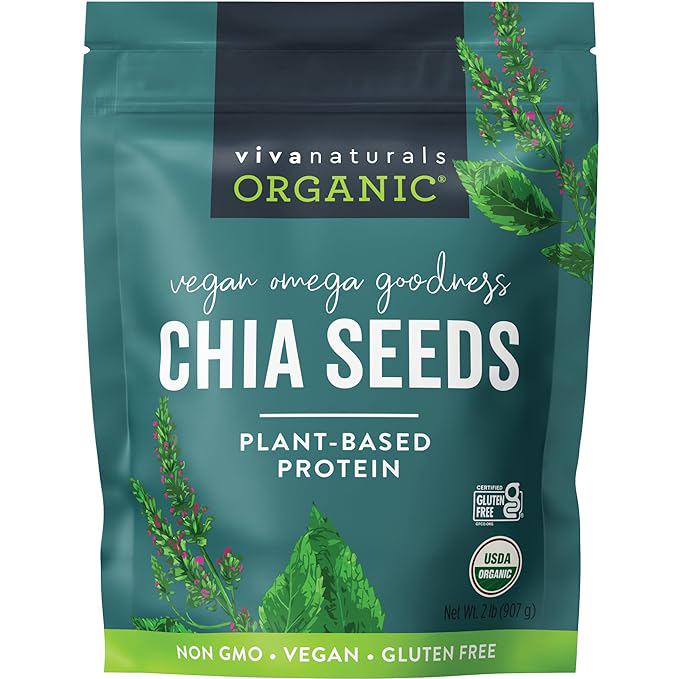
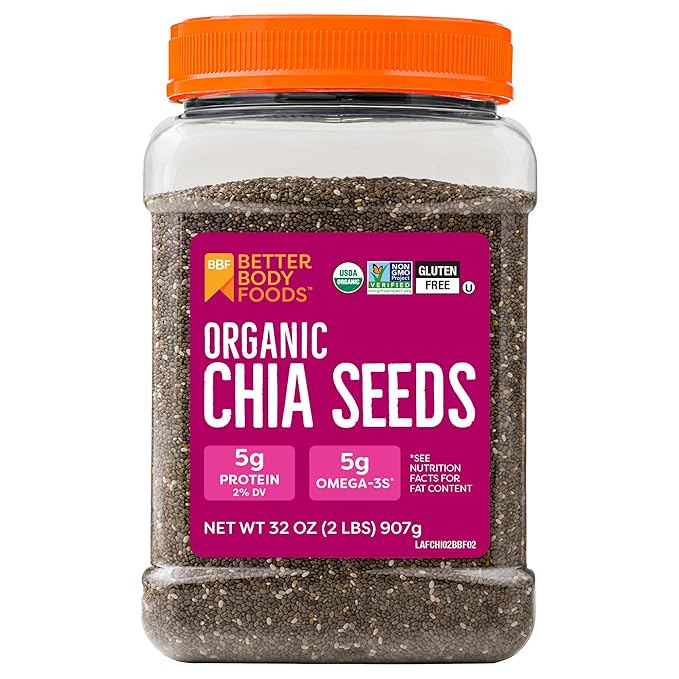
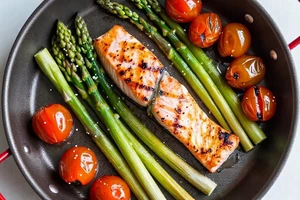
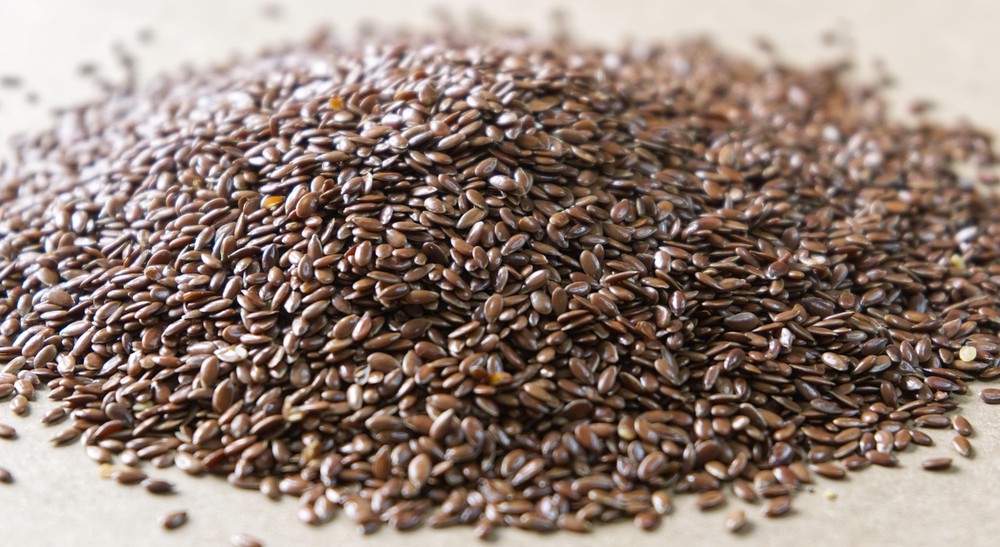
You don't need to overhaul your routine. Start by adding small, consistent sources of omega-3s. Cold-water fatty fish like salmon, mackerel, and sardines are the most direct sources. The American Heart Association recommends eating two servings of fish per week. If fish isn't your thing, look to plant-based options: ground flaxseed, chia seeds, and walnuts offer alpha-linolenic acid (ALA), which the body can partially convert to DHA and EPA.
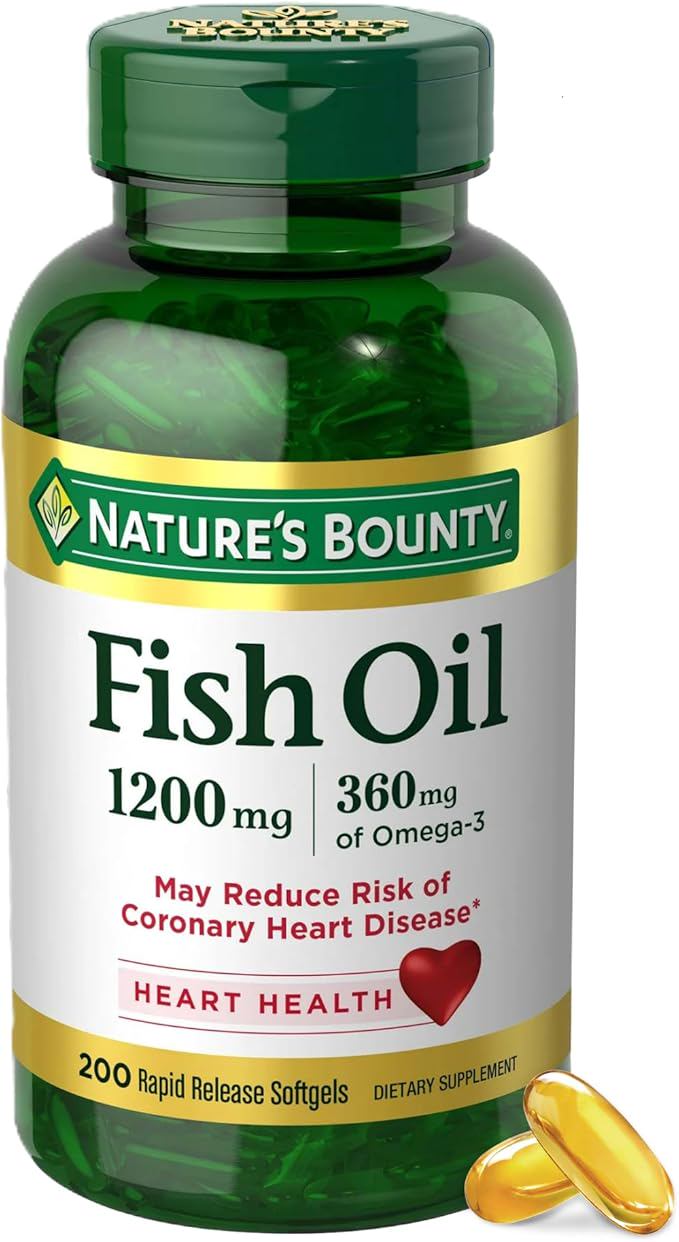
Consider fortified foods like eggs from hens fed flaxseed or omega-3-enriched milk. These can help bridge the gap without a major diet shift. For many people, a fish oil or algae-based supplement can also be a practical way to fill the gap, but food sources come with additional benefits like protein, fiber, and other micronutrients.
A Quick Reality Check
It's easy to assume that a diet low in processed food is automatically balanced. But heart-healthy eating isn't just about what you remove—it's about what you intentionally include. A bowl of oatmeal with berries and almond milk is healthy, but it's low in omega-3s. A salad full of vegetables and grilled chicken is great, but it won't give you DHA or EPA.
Paying attention to these two signs—fatigue that lingers and skin that doesn't cooperate—can help you catch a gap before it turns into a bigger concern. If these symptoms sound familiar, try adding a few servings of fatty fish or plant-based omega-3 sources to your week and see how you feel in a month.