
You’ve just finished a solid workout. You’re tired, maybe a bit sweaty, and you know you need to refuel. For years, the message around post-workout nutrition has been loud and clear: get your protein, and get it fast. But in the rush to hit that so-called "anabolic window," it’s easy to stumble into habits that might not be serving your goals as well as you think.
Protein timing isn't about panic-eating a shake the second you drop the last weight. It's a more nuanced part of your overall nutrition strategy. Let's look at some common missteps people make after their workout and how a simple shift in perspective can make your recovery more effective—and less stressful.
Mistake 1: Obsessing Over the "30-Minute Window"
The idea of a brief, critical period after exercise where you must consume protein or miss your gains has been pervasive. While consuming protein post-workout is beneficial, the urgency is often overstated for most people.
The body’s ability to synthesize muscle protein is indeed elevated after training, but this heightened state lasts for several hours—not just minutes. For the average person training moderately, what you eat throughout the entire day matters far more than scrambling to get nutrients in the first half-hour.
Think of your daily protein intake as a puzzle. The post-workout meal is one important piece, but it's the completed picture that builds strength.
If you can eat within an hour or two after training, you’re in a great position. The stress comes from treating this window as a rigid deadline, which can lead to poor food choices or unnecessary anxiety.
Mistake 2: Prioritizing Speed Over Quality
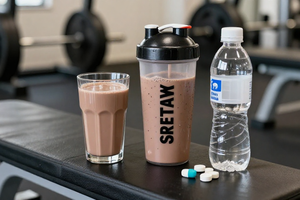
In the quest for speed, it’s tempting to grab the most convenient option, which is often a heavily processed shake or bar. While these can be useful tools, they shouldn't consistently replace whole food sources.
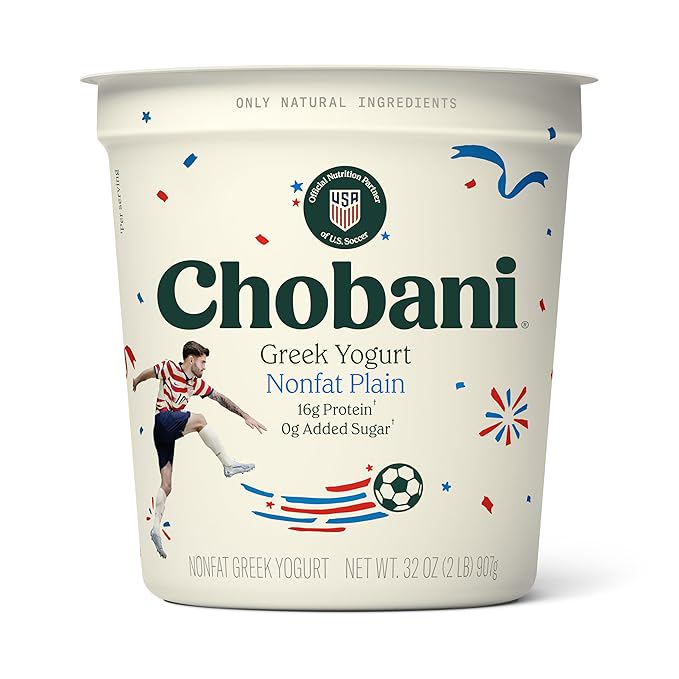
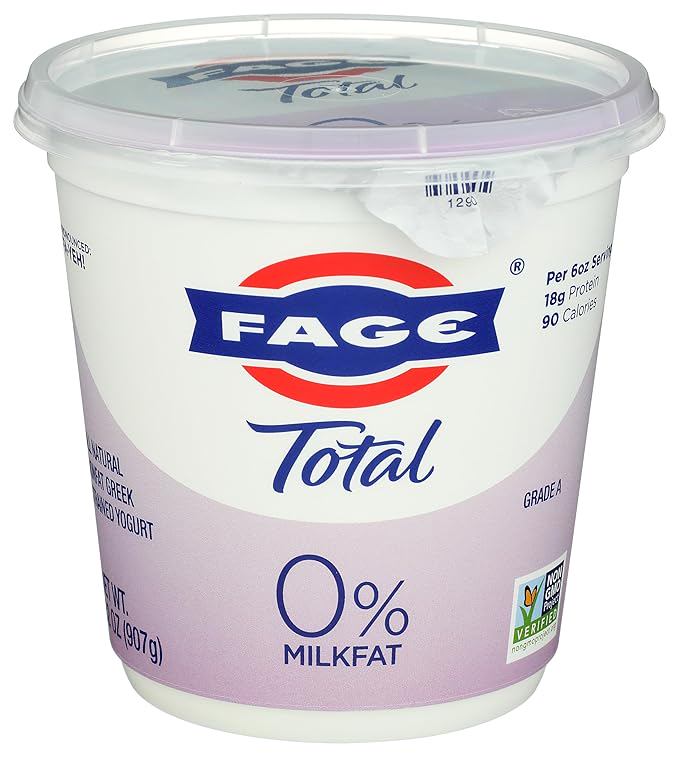
Whole foods like Greek yogurt, cottage cheese, eggs, or chicken provide not only protein but also a matrix of other nutrients—vitamins, minerals, and different fats—that support overall recovery, gut health, and satiety. A liquid shake might be absorbed slightly faster, but for sustained energy and fullness, a solid meal can be superior.
This doesn’t mean you need to cook a feast immediately after the gym. It means planning ahead. A prepared container of quinoa and grilled turkey, or some hard-boiled eggs and fruit, can be just as convenient as a powder and offers broader nutritional benefits.
Mistake 3: Neglecting Carbohydrates Entirely
The post-workout focus is frequently laser-targeted on protein, leaving carbohydrates as an afterthought. This is a missed opportunity, especially after strenuous or glycogen-depleting sessions like endurance training or high-volume weightlifting.
Carbohydrates help replenish the glycogen stores in your muscles and liver, which is your body’s primary fuel source for intense activity. This replenishment supports your energy levels for your next workout. Furthermore, the insulin response triggered by carbs can create a more favorable environment for amino acids from protein to be shuttled into muscle cells.
Aim to pair your protein with a smart carbohydrate source. Good options include a sweet potato, a piece of fruit, some oatmeal, or even a slice of whole-grain toast. This combination supports both muscle repair and energy restoration.
Mistake 4: Consuming Too Much Protein in One Sitting
More is not always better. There’s a limit to how much protein your body can use for muscle protein synthesis at one time. Research suggests this threshold is around 20-40 grams per meal for most people, depending on body size and the intensity of the workout.
Downing a shake with 60+ grams of protein post-workout doesn't translate to extra muscle building. The excess will likely be oxidized for energy or processed by the body in other ways. It can also be unnecessarily heavy on your digestive system when you might already be feeling fatigued.
A moderate dose of high-quality protein is sufficient. For example, a scoop of whey protein (about 25g), a cup of cottage cheese (28g), or a 4-ounce chicken breast (about 35g) fits this range effectively.
Mistake 5: Letting It Disrupt Your Overall Eating Pattern
This might be the most subtle mistake. Some people, especially those who train later in the evening, will force down a large post-workout meal even if it means eating right before bed and disrupting sleep, or they’ll skip it entirely because they’re not hungry, throwing off their daily nutrition.
Your body's signals matter. If you finish a late workout and truly aren't hungry, a small, easily digestible protein source like a glass of milk or a few bites of yogurt may be better than a full meal. Conversely, if you're ravenous after an early morning session, a balanced breakfast is key.
The goal is to integrate your post-workout nutrition into your lifestyle in a sustainable way. It should complement your hunger cues, sleep schedule, and daily routine, not fight against them. Consistency over weeks and months beats perfect timing on any single day.
Putting It All Together: A Simpler Approach
Instead of a list of strict rules, think of post-workout nutrition as a gentle guideline. Have a balanced meal or snack containing a moderate amount of protein and some carbohydrates within a few hours of your training. Listen to your body. If you used whole foods, you’re supporting your body with a wide spectrum of nutrients. If you used a supplement for convenience, that’s fine too—it’s just one piece of your day.
By avoiding these common mistakes, you take the pressure off and create a sustainable, effective approach that supports your fitness journey in the long term, one recovery meal at a time.