
Most of us assume that wrinkles, fine lines, and loss of elasticity are just the inevitable price of adding another candle to the birthday cake. While chronological aging does play a role, it is far from the whole story. A surprising amount of premature skin aging is driven by factors we can actually influence—things like daily habits, environmental exposures, and even what we put on our plate. Here are five common causes of aging skin that have nothing to do with your birth year.
Unprotected sun exposure
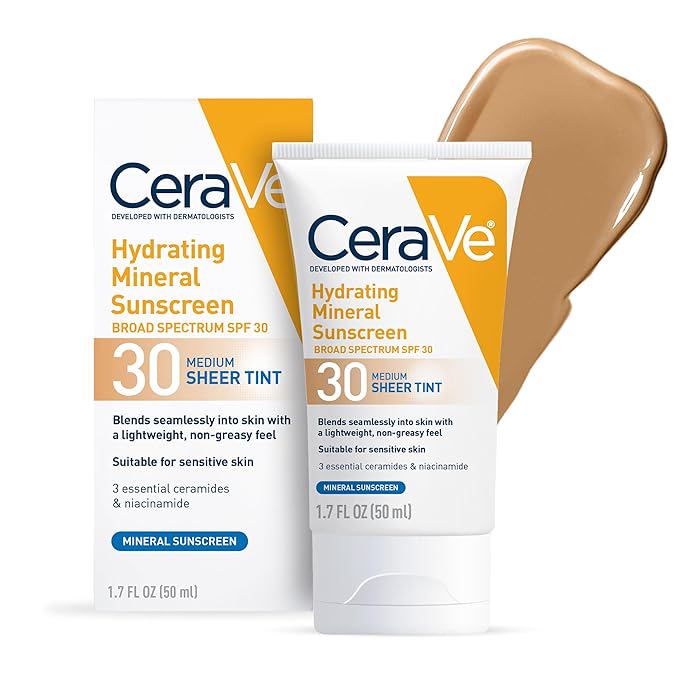
Ultraviolet (UV) radiation is the single biggest external culprit behind premature skin aging—a process dermatologists call photoaging. UVA rays penetrate deep into the dermis, breaking down collagen and elastin fibers that keep skin firm and springy. Over time, this leads to wrinkles, fine lines, and what is often called “leathery” texture. UVB rays, meanwhile, cause direct DNA damage and sunburn. The effect is cumulative: even brief daily exposure (like walking to the car or sitting by a window) adds up. The fix is not just about slathering on sunscreen on beach days; consistent daily broad-spectrum SPF 30 or higher is the gold standard.
Repetitive facial expressions
Every time you squint, frown, or raise your eyebrows, the muscles beneath your skin contract. Over decades, the skin’s natural ability to snap back into place diminishes, and those temporary creases become permanent grooves. This is why dynamic wrinkles—crow’s feet, forehead lines, and “11” lines between the brows—tend to appear in the same spots where you habitually express yourself. While you certainly do not need to stop smiling, being mindful of habitual squinting (try sunglasses) and frowning can help slow the etching process.
Chronic stress and poor sleep
When you are under constant stress, your body releases cortisol, a hormone that can break down collagen and impair the skin’s barrier function. High cortisol levels also trigger inflammation, which accelerates the breakdown of healthy skin cells. Pair that with insufficient sleep—when the body’s repair mechanisms are most active—and you have a recipe for dullness, fine lines, and uneven tone. Quality rest (seven to nine hours per night) and stress-management practices such as meditation or gentle movement give your skin the downtime it needs to regenerate.
Diet and blood sugar spikes
The foods you eat can either support or sabotage your skin’s youthfulness. A diet high in refined sugars and simple carbohydrates causes a process called glycation, where excess sugar molecules bind to collagen and elastin fibers, making them stiff and brittle. The result is a loss of plumpness and the formation of wrinkles earlier than expected. On the flip side, eating a balanced diet rich in antioxidants (berries, leafy greens, nuts), healthy fats (avocado, olive oil, fatty fish), and adequate protein provides the raw materials your skin needs to maintain structure and bounce back from daily wear and tear.
Environmental pollutants and lifestyle toxins
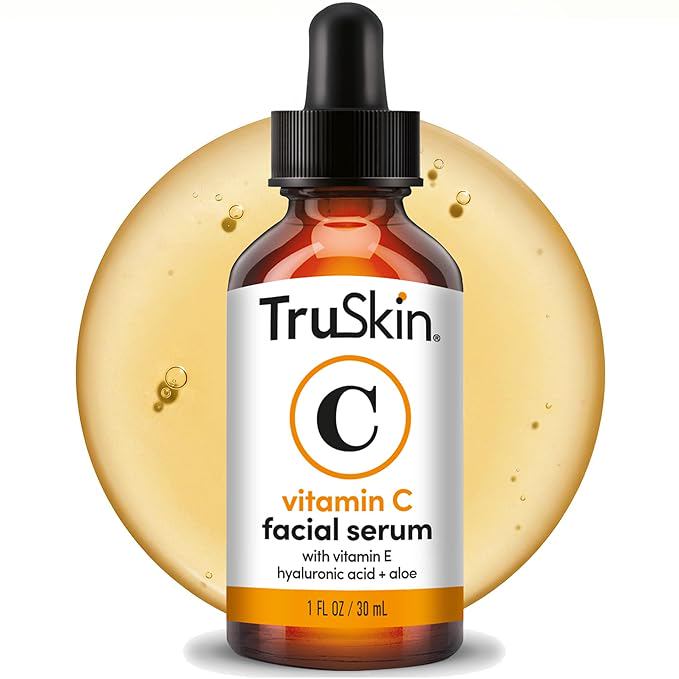
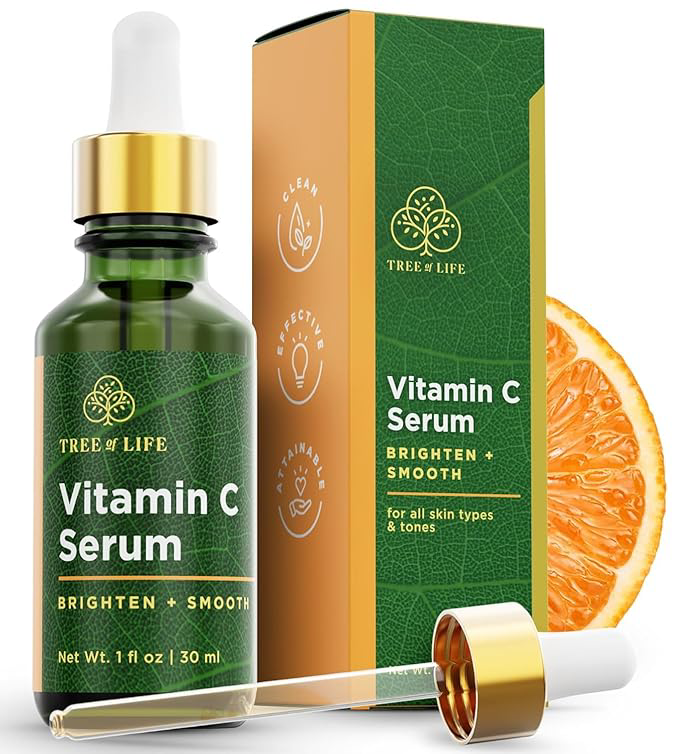
Air pollution, cigarette smoke, and even some household chemicals generate free radicals—unstable molecules that damage skin cells and accelerate aging. Fine particulate matter (PM2.5) from traffic exhaust can penetrate the skin barrier, triggering inflammation and pigment changes. Smoking is especially damaging: it constricts blood vessels, starving the skin of oxygen and nutrients, while also directly breaking down collagen. Minimizing exposure by using an antioxidant-rich serum (vitamin C is a star here), double-cleansing at night, and avoiding tobacco smoke can make a measurable difference in how your skin ages.
A quick reality check: These factors don’t mean you can freeze time. But by addressing them—wearing sunscreen daily, managing stress, eating well, and reducing pollution exposure—you can influence how your skin ages far more than genetics alone would suggest.
Aging is a natural process, but it is not a passive one. The choices you make every day—from what you eat to how you protect your skin—shape the way your complexion evolves over time. Focus on consistency over perfection, and your skin will thank you for years to come.