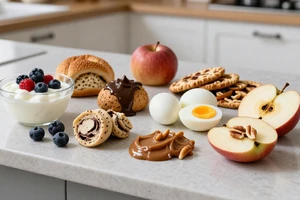

It happens without fail: four o'clock rolls around, hunger hits, and suddenly a bag of chips or a handful of salty namkeen feels like the only option. These snacks satisfy a craving in the moment, but they don't do much for your body's long-term health. Many of us want to make better choices without spending a lot of money or overhauling our entire kitchen. That's where some smart, budget-friendly swaps come in.
Dietitians often point out that fighting inflammation starts with what you keep on hand. Small substitutions in your pantry can make a real difference in how you feel every day. You don't need exotic superfoods or pricey specialty items. A few simple ingredient changes can lower inflammation markers, support digestion, and keep your energy steady—all while staying within a reasonable grocery budget.
Why Focus on Anti-Inflammatory Swaps?
Chronic inflammation is linked to a wide range of health concerns, from joint discomfort to digestive issues. The foods you eat regularly either fight or fuel that process. Highly processed snacks, refined grains, and excess sugar are common culprits that promote inflammation. On the other hand, whole foods rich in fiber, healthy fats, and antioxidants help calm the body's inflammatory response.
The good news is that you don't have to make every swap at once. Start with a few key changes, and you'll likely notice improvements in energy, digestion, and overall well-being. Below are five affordable pantry swaps that nutrition experts consistently recommend.
1. Replace Refined Crackers with Baked Whole-Grain Alternatives
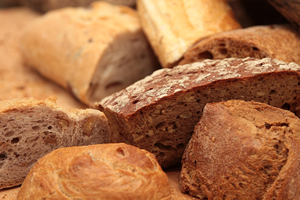
Standard crackers are often made with white flour and added sugars or unhealthy oils. Instead, look for baked crackers made from whole grains such as brown rice, quinoa, or oats. Even better, you can make your own at home using simple ingredients like whole-wheat flour, olive oil, and seeds. These options provide more fiber and nutrients, which help stabilize blood sugar and reduce inflammation over time.
Tip: Check the ingredient list. If the first item is “enriched flour” or “sugar,” keep looking. A short list of recognizable ingredients is usually a good sign.
2. Swap Canned Beans for Cooked Dry Beans (or Rinsed Canned Beans)
Beans are an anti-inflammatory powerhouse. They are packed with fiber, plant protein, and antioxidants. Kidney beans, black beans, and chickpeas are all excellent choices. If you use canned beans, simply rinse them well to reduce sodium. Even better, cook a batch of dry beans once a week—it's far cheaper and lets you control the salt. Add them to salads, soups, or a quick bean-and-corn bowl for a satisfying, inflammation-fighting meal.
“Fiber-rich beans are one of the most affordable anti-inflammatory foods you can buy,” says registered dietitian Sarah Johnson. “They support gut health and help regulate immune response.”
3. Choose Avocado or Cherry Tomatoes Instead of Creamy Dressings
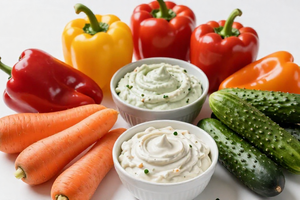
Creamy dressings and dips are often high in inflammatory oils and added sugars. A simple swap is to use mashed avocado or fresh cherry tomatoes as a base for your snacks and meals. Avocado provides healthy monounsaturated fats and potassium, while cherry tomatoes are rich in lycopene, a powerful antioxidant. Both options are budget-friendly when bought in season and can transform a simple plate of crackers or vegetables into a satisfying, anti-inflammatory dish.
4. Opt for Salsa Over Cheese-Based Dips
Many cheese-based dips are high in saturated fat and preservatives. Salsa, on the other hand, is typically made with tomatoes, onions, cilantro, and chili peppers—all of which contain anti-inflammatory compounds. It's low in calories and adds a punch of flavor without the inflammatory load. You can make your own salsa for pennies by blending canned tomatoes with fresh herbs, or choose a store-bought brand with no added sugar.
5. Use Herbs and Spices Instead of Salt-Laden Seasoning Blends
Pre-made seasoning mixes often contain salt, sugar, and artificial additives. Instead, stock your pantry with individual spices like turmeric, cumin, paprika, oregano, and chili flakes. These spices contain bioactive compounds that help reduce inflammation. A sprinkle of turmeric and black pepper on roasted vegetables or a pinch of chili flakes on your bean bowl can elevate flavor without the negative effects of processed seasonings.
How to Make These Swaps Stick Without Breaking the Bank
Budget-friendly doesn't mean boring. Focus on buying staple ingredients in bulk—whole grains, dried beans, and spices are often cheaper per serving when purchased in larger quantities. Seasonal produce like avocados and tomatoes can be bought in bulk when they're on sale and used throughout the week. You might also consider growing your own herbs, which is inexpensive and ensures a fresh supply.
Another tip: plan your snacks ahead of time. When you have a container of homemade salsa or a batch of cooked beans ready to go, you're far less likely to reach for processed alternatives. Small changes like these add up over time, helping you build a pantry that supports your health and your wallet.
Frequently Asked Questions
What is the cheapest anti-inflammatory food to buy?
Dry beans and lentils are among the most affordable anti-inflammatory foods. A one-pound bag costs about a dollar and provides multiple servings of fiber, protein, and antioxidants. Canned beans (rinsed) are also budget-friendly and convenient.
Can I still eat snacks while trying to reduce inflammation?
Yes. The key is choosing snacks that work with your goals rather than against them. Options like baked whole-grain crackers with avocado, a small bowl of beans and salsa, or fresh fruit with nuts are all anti-inflammatory and satisfying.
How long does it take to see results from anti-inflammatory eating?
Many people notice changes in digestion and energy within a few days to a week. More significant changes in joint comfort and skin health may take several weeks of consistent dietary adjustments. Individual results vary.
Are there any foods I should avoid completely?
Rather than focusing on elimination, prioritize adding anti-inflammatory foods. That said, limiting ultra-processed snacks, sugary drinks, and refined grains can help reduce inflammation. A balanced approach with small, sustainable swaps is more effective than a restrictive diet.