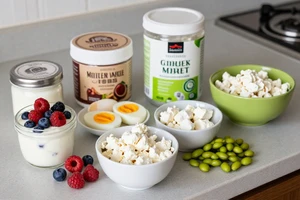

After a strength session, your muscles are primed for repair. The right food, eaten within a couple of hours, helps rebuild protein fibers and restock energy stores. For beginners, the key is simplicity: whole foods that combine protein, carbohydrates, and a little healthy fat. You do not need special powders or elaborate recipes. Here are five straightforward, beginner-friendly meals that support recovery without fuss.
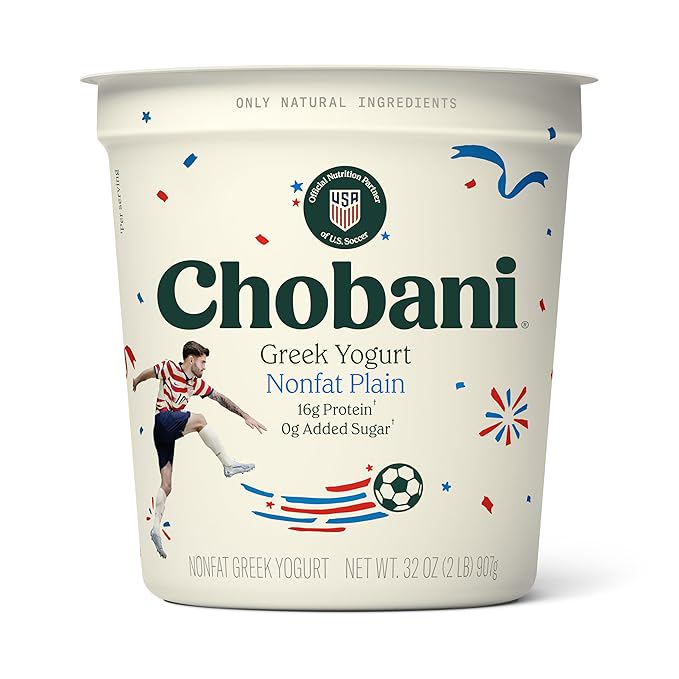
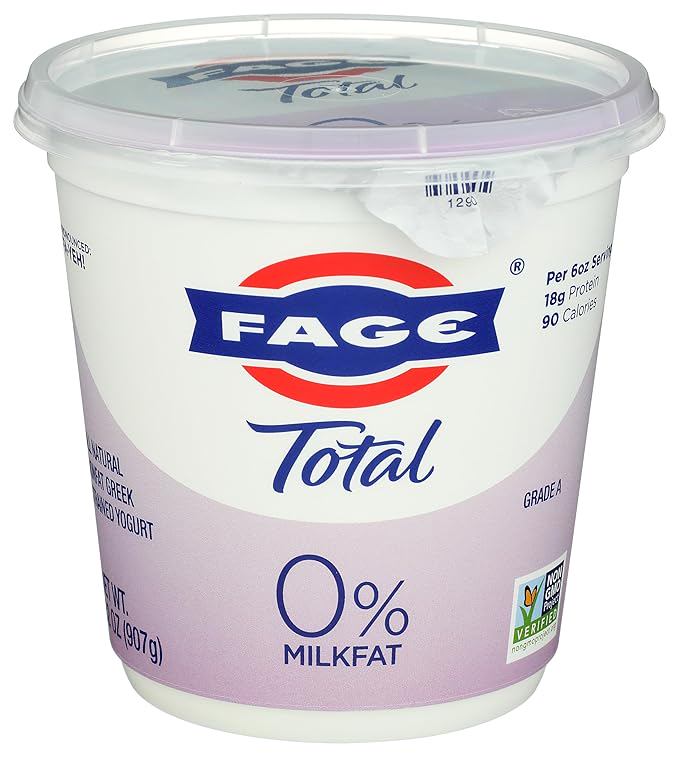
1. Greek Yogurt with Berries and Granola
A bowl of plain Greek yogurt delivers about 15 to 20 grams of protein per serving, plus gut-friendly probiotics. Topping it with fresh or frozen berries adds antioxidants that may reduce exercise-induced inflammation, while a sprinkle of granola provides quick-digesting carbs to replenish glycogen. A drizzle of honey gives a touch of natural sweetness and an extra carbohydrate boost. This meal takes two minutes to assemble and is easy to eat immediately after a workout, when your muscles are most receptive to nutrients.
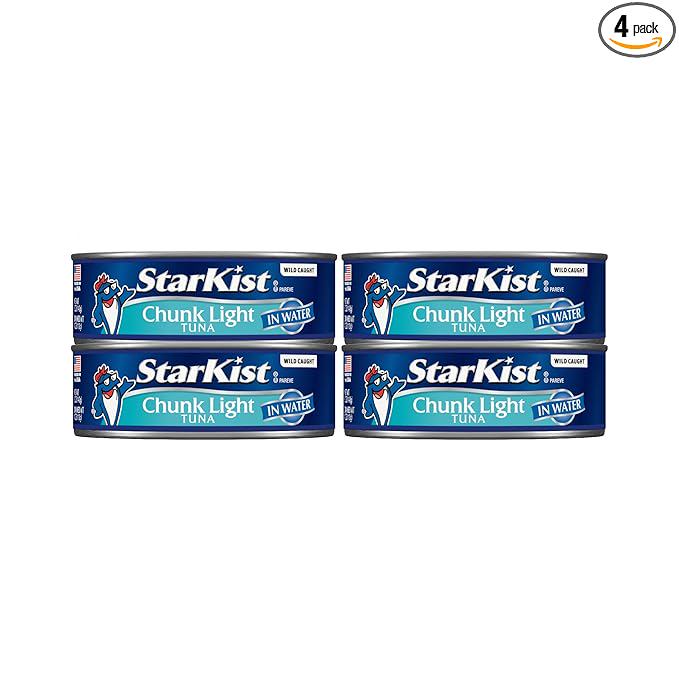
2. Tuna Salad on Whole-Grain Crackers
Canned tuna in water (or oil) is an affordable, shelf-stable source of complete protein. A 3-ounce serving offers about 20 grams of protein plus omega-3 fatty acids, which may help manage inflammation. Mix the tuna with a tablespoon of plain Greek yogurt or avocado instead of mayonnaise for extra creaminess and nutrients. Serve it on five or six whole-grain crackers for a satisfying crunch and slow-release carbohydrates. This savory snack travels well and requires no cooking—great for post-gym refueling at home or on the go.
3. Scrambled Eggs with Spinach and Toast
Eggs are a classic recovery food because they contain all nine essential amino acids. Scrambling two or three eggs with a handful of fresh spinach adds iron and vitamins A and C, while the gentle heat keeps the protein easy to digest. Pair the eggs with one or two slices of whole-grain toast for carbohydrates and fiber. Cooking the whole meal takes under ten minutes. If you like, add a slice of cheese or a few slices of avocado for healthy fats that support hormone function and joint health.
4. Chocolate Milk
Believe it or not, plain chocolate milk is one of the most researched recovery drinks. It naturally contains a ratio of carbohydrates to protein (roughly 4:1) that aligns with sports nutrition guidelines for refueling. The calcium and vitamin D also support bone health. Stick to low-fat or skim varieties to avoid excess saturated fat, and aim for 8 to 16 ounces after your workout. This is a smart, convenient option when you need something quick and do not feel like eating solid food—just be careful to choose a brand with moderate added sugar (under 25 grams per serving).
5. Salmon with Sweet Potato and Broccoli
A full meal like this is ideal if you are training later in the day or have time to sit down and eat. A 4-ounce fillet of salmon provides high-quality protein and anti-inflammatory omega-3s. Baked or microwaved sweet potato offers complex carbohydrates and beta-carotene, while steamed or roasted broccoli delivers fiber, vitamin C, and compounds that support the body's detoxification pathways. This balanced plate covers protein, carbs, and micronutrients—all of which contribute to muscle repair and general recovery. You can prep the ingredients in advance to make this meal come together in 15 minutes.
A quick tip for beginners: Aim to eat a meal or snack with 15 to 25 grams of protein and some carbohydrates within two hours after your workout. This window optimizes muscle protein synthesis and glycogen replenishment. If you are trying to lose weight, adjust the portion size rather than skipping the recovery meal.
These five ideas are meant to be starting points. Mix and match ingredients based on what you have in your pantry, your dietary preferences, and your digestive comfort. Remember, consistency matters more than perfection. A simple, nutrient-dense meal after each workout adds up over weeks and months—and that is what drives real, steady progress in strength and recovery.