
You finished your set, racked the weights, and caught your breath. Now comes the part that matters just as much as the reps themselves: refueling. After a strength training split—whether you hit upper body one day and lower body the next—your muscles need the right raw materials to repair and grow. For beginners, the process can feel confusing, with conflicting advice about protein timing, carb sources, and supplement powders. But the foundation is simpler than most make it.
What you eat after lifting doesn't need to be expensive, elaborate, or involve a dozen ingredients. The goal is straightforward: provide your body with protein to rebuild muscle tissue and carbohydrates to replenish the energy stores you just drained. Here are five beginner-friendly foods that deliver exactly that, without the unnecessary complexity.
Why the post-workout meal matters for strength training
When you lift weights, you create micro-tears in your muscle fibers. Your body then repairs these tears, making the muscle stronger and slightly larger. This process, called muscle protein synthesis, requires amino acids from protein and energy from carbohydrates. Eating within a few hours of your workout gives your system the building blocks it needs to complete that repair efficiently.
For someone starting a strength training split, consistency matters more than perfection. You don't need a shake within a 30-minute window—that's an exaggerated claim. A meal with 20–40 grams of protein and a moderate amount of carbs, eaten one to three hours after training, works well for most people. The foods below fit that profile naturally.
1. Greek yogurt with fruit
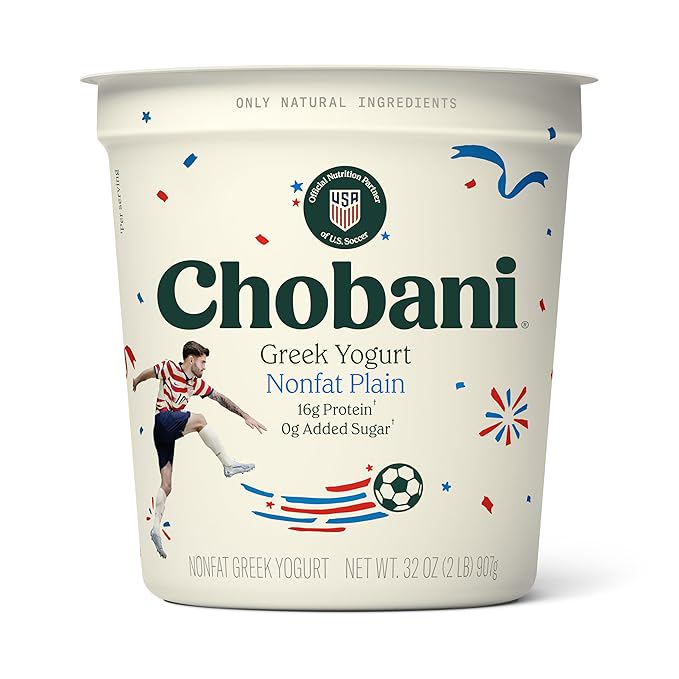
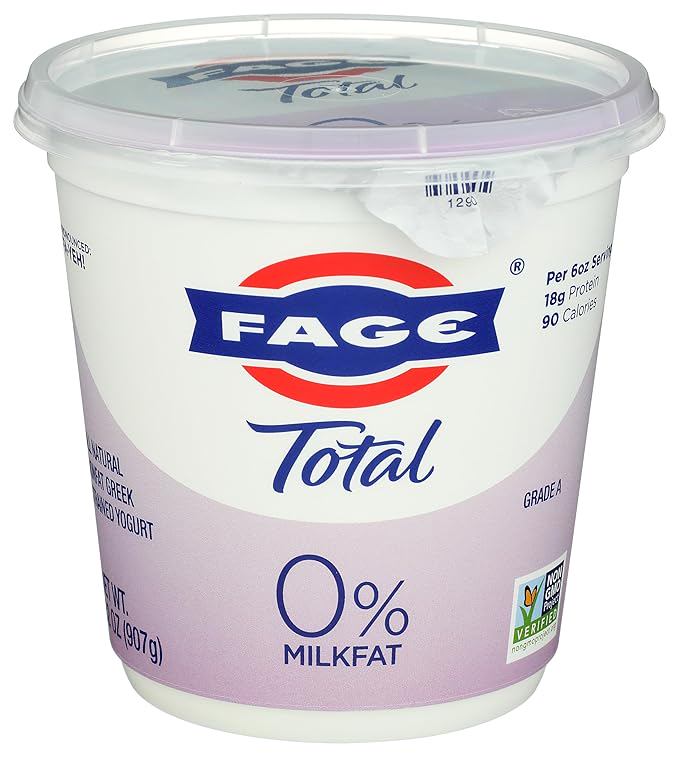
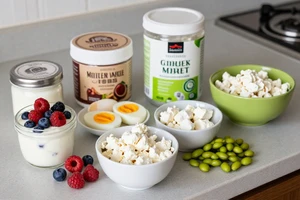
Greek yogurt is a practical, no-cook option that packs a significant protein punch. A single cup provides roughly 20 grams of protein, along with calcium for bone health. Choose plain yogurt to avoid added sugars, then add natural sweetness with berries, sliced banana, or chopped apple.
The fruit supplies carbohydrates to restock glycogen stores. Berries also bring antioxidants, which can help manage the mild inflammation that follows intense lifting. This combination works as a balanced post-workout meal without requiring any cooking skill or prep time. For a bit more staying power, stir in a tablespoon of nuts or seeds.
How to adjust for your split
After a heavier lower-body session, you might want extra carbohydrates. Add a handful of granola or a drizzle of honey. After an upper-body day, the yogurt and fruit alone usually suffice. Listen to your energy levels and adjust the portion size accordingly.
2. Eggs and toast
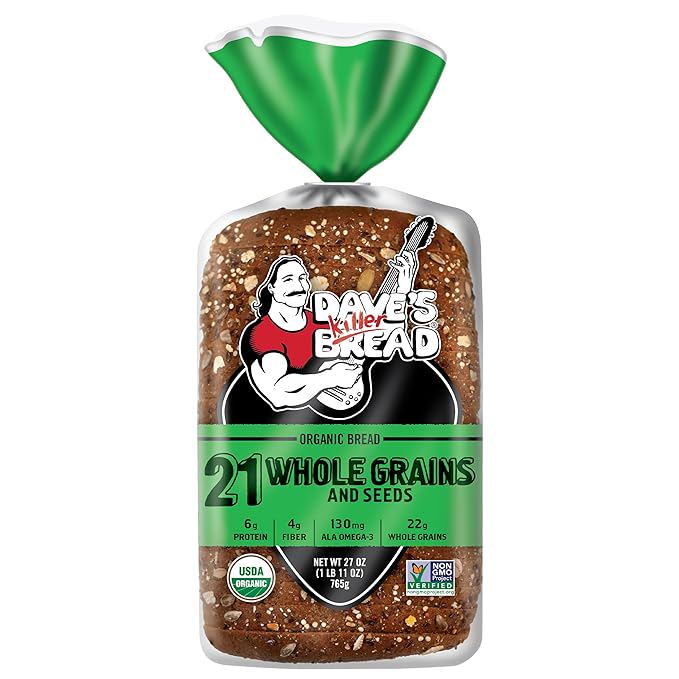
Eggs are a complete protein source, meaning they contain all nine essential amino acids your body cannot produce on its own. Two large eggs deliver about 12 grams of protein. Pair them with a slice or two of whole-grain toast, and you get around 15–18 grams of protein plus 30–40 grams of carbohydrates.
Scrambled, poached, or hard-boiled—the preparation makes little difference nutritionally. Whole-grain toast provides fiber and slow-digesting carbs, which help sustain energy after your workout. This meal is especially useful for morning lifters who want something warm and satisfying without reaching for a processed protein bar.
A simple tip: If you train in the evening, eggs and toast won't weigh you down before bed. They digest relatively quickly and won't disrupt sleep quality.
3. Chocolate milk
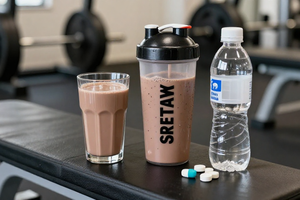
Chocolate milk might seem like a treat, but it has a practical purpose after strength training. It naturally contains a mix of protein (casein and whey) and carbohydrates—roughly 8 grams of protein and 25 grams of carbs per cup. This ratio mirrors what many commercial recovery drinks offer, at a fraction of the cost.
The liquid form helps with rehydration, which is important after sweating through a workout. For beginners who find it hard to eat solid food immediately after lifting, chocolate milk is a gentle option that still delivers nutrients. Stick with low-fat or whole milk—the fat content does not automatically negate the recovery benefits.
When to choose chocolate milk
This works best when you need something quick and portable. Toss a small carton in your gym bag and drink it on the way home. It is not meant to replace a full meal, but it bridges the gap until you can sit down to eat properly.
4. Canned tuna on rice cakes or crackers
Canned tuna is an underrated post-workout food for beginners. It is inexpensive, requires no cooking, and provides about 20 grams of protein per small can. Mix it with a spoonful of Greek yogurt or avocado instead of mayonnaise to keep the meal lighter and add healthy fats.
Pair the tuna with a couple of rice cakes or a small handful of whole-grain crackers for quick-digesting carbohydrates. This combination gives you the amino acids needed for muscle repair and the carbs to restore energy. It also works well for people who follow a gluten-free diet, as rice cakes are naturally gluten-free.
Note on mercury: Canned light tuna is lower in mercury than albacore. If you eat tuna more than a few times a week, rotate in other protein sources like eggs or Greek yogurt to keep things balanced.
5. Cottage cheese with pineapple or peaches
Cottage cheese is another dairy option that is rich in casein protein, which digests slowly. This makes it a smart choice after an evening workout, as it provides a steady supply of amino acids to your muscles overnight. A half-cup serving of cottage cheese contains about 14 grams of protein.
Top it with canned pineapple or peaches (packed in juice, not syrup) for natural sugars and vitamin C. The fruit helps replenish glycogen, and the vitamin C supports collagen production for connective tissue health—relevant when you are loading your joints with new weights. The combination is creamy, sweet, and satisfying without being heavy.
Putting it together: a simple post-workout routine
You do not need to eat all five of these foods after every workout. Pick one based on what sounds good and what is available. Rotate them across the week to keep meals interesting and to cover a range of micronutrients.
- After morning workouts: eggs and toast or Greek yogurt with fruit
- After lunchtime workouts: canned tuna with crackers or cottage cheese with fruit
- After evening workouts: cottage cheese or chocolate milk
The most important variable is that you actually eat something. Beginners often skip the post-workout meal due to lack of appetite, time constraints, or confusion about what to choose. These five options remove the guesswork. They are real foods that fit naturally into a normal diet, and they support the progress you are making with each strength training session.