You already know that what you eat affects your muscles and energy after a workout. But your post-exercise snack also matters for your teeth and gums. Exercise temporarily increases inflammation in the body—a normal response to muscle repair—but chronic low-grade inflammation can also affect your gums, making them more vulnerable to redness, bleeding, and recession. Choosing the right anti-inflammatory foods after a workout can help calm that systemic inflammation and support the soft tissues in your mouth.
Here are five science-backed, anti-inflammatory foods to reach for after exercise that do double duty for your recovery and your oral health.
1. Fatty fish — Salmon, sardines, or mackerel
Fatty fish are rich in long-chain omega-3 fatty acids (EPA and DHA), which are among the most researched anti-inflammatory nutrients. Omega-3s help reduce the production of inflammatory molecules called cytokines. For your gums, this matters because periodontitis—the advanced stage of gum disease—is driven by an excessive inflammatory response. A serving of grilled salmon or a can of sardines after a workout provides protein for muscle repair and omega-3s that may help keep gum tissue healthy.
2. Leafy greens — Spinach, kale, or Swiss chard
Dark leafy greens are packed with vitamin C, beta-carotene, and other antioxidants that combat oxidative stress triggered by exercise. Vitamin C is especially important for gum health because it supports collagen production—the structural protein that holds gums tight against your teeth. Toss a handful of spinach or kale into a post-workout smoothie, or sauté it as a warm side dish with your protein.
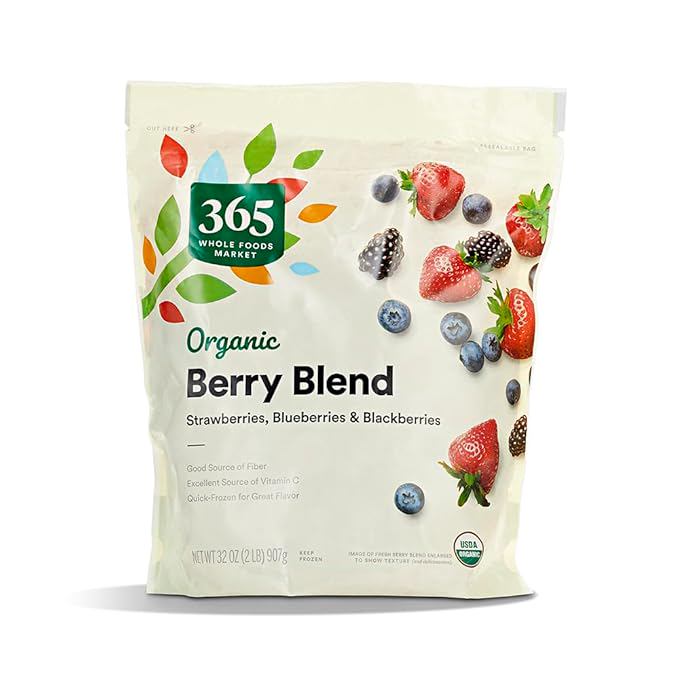
3. Berries — Blueberries, strawberries, or blackberries
Berries are loaded with anthocyanins and flavonoids that reduce inflammation and help neutralize free radicals. After a workout, when your body is in a temporary state of oxidative stress, berries offer a quick, refreshing way to lower that burden. Studies have shown that compounds in berries can also inhibit the growth of oral bacteria associated with plaque and gum inflammation. Add a cup of mixed berries to Greek yogurt or oatmeal for a recovery bowl that benefits both your muscles and your mouth.
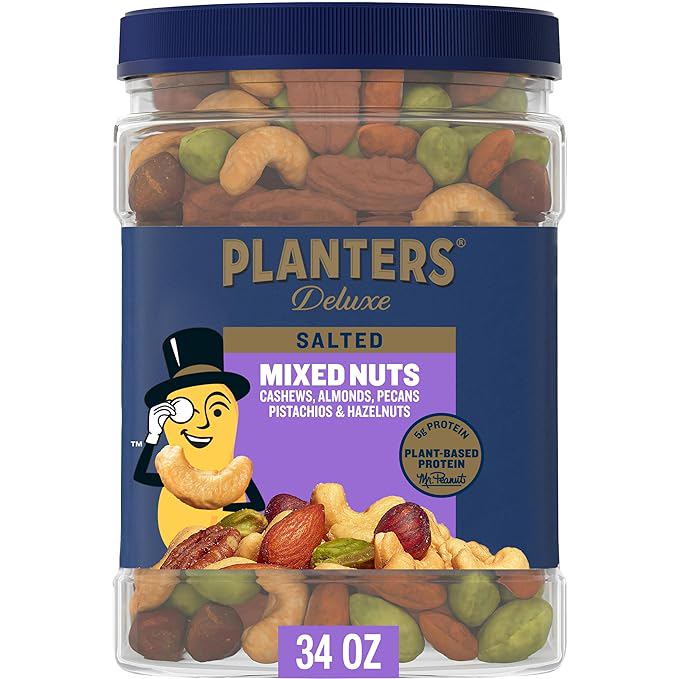
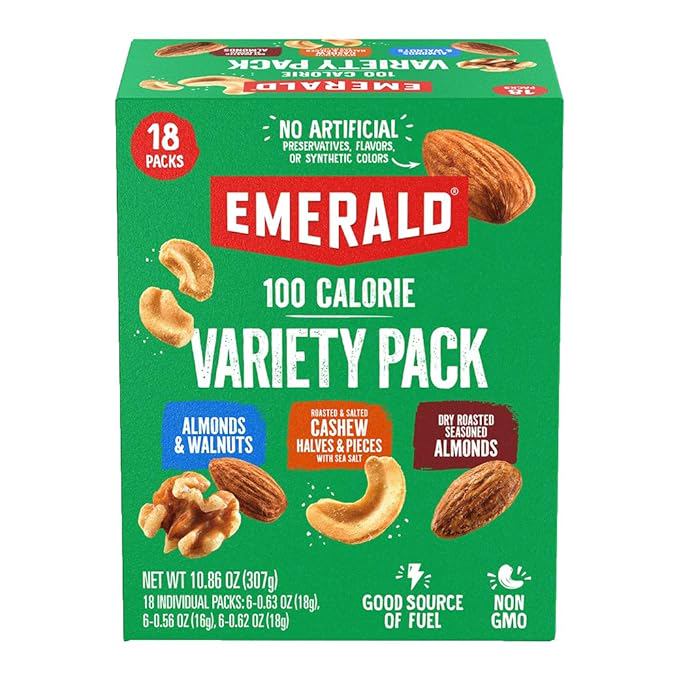
4. Nuts and seeds — Walnuts, almonds, flaxseeds, or chia seeds
Walnuts are especially high in alpha-linolenic acid (ALA), a plant-based omega-3 that helps lower inflammatory markers. Almonds provide vitamin E, an antioxidant that protects cell membranes from damage. Grinding flaxseeds or chia seeds into a post-workout smoothie also gives you fiber and omega-3s. A small handful of nuts (about an ounce) is an easy, portable option after a run or gym session.
5. Green tea — Unsweetened, served warm or iced
Green tea is rich in catechins, particularly epigallocatechin gallate (EGCG), which has potent anti-inflammatory and antibacterial properties. Drinking green tea after a workout can help reduce gum inflammation and slow the growth of bacteria linked to cavities. Plus, it rehydrates you while providing a gentle antioxidant boost. Skip the sugar and honey—your teeth will thank you.
How post-workout inflammation affects your gums
Intense exercise raises cortisol levels and temporarily increases blood flow to tissues, including the gums. For most people, this is harmless. But if your diet is already high in processed foods and sugar, the added inflammatory load can push gum tissues toward irritation. Eating anti-inflammatory foods after exercise helps counterbalance this effect and supports the body’s natural repair processes.
Quick tips for protecting teeth after a workout
- Rinse your mouth with water before eating if you’ve been consuming sports drinks or sipping water with added electrolytes during exercise. This helps neutralize acidity and washes away sugar residues.
- Wait 20–30 minutes before brushing if you’ve had acidic post-workout foods like berries or citrus fruits. Brushing too soon can soften enamel.
- Combine these foods with plenty of water to keep your mouth moist and promote saliva production, which naturally protects teeth and gums.
A post-workout meal that includes fatty fish, leafy greens, berries, nuts, and green tea does more than refuel your muscles—it gives your gums a chance to stay calm, strong, and healthy.
Making small shifts in your recovery routine can pay off over time. By choosing anti-inflammatory foods, you’re not just helping your muscles bounce back—you’re giving your teeth and gums a cleaner, stronger foundation.