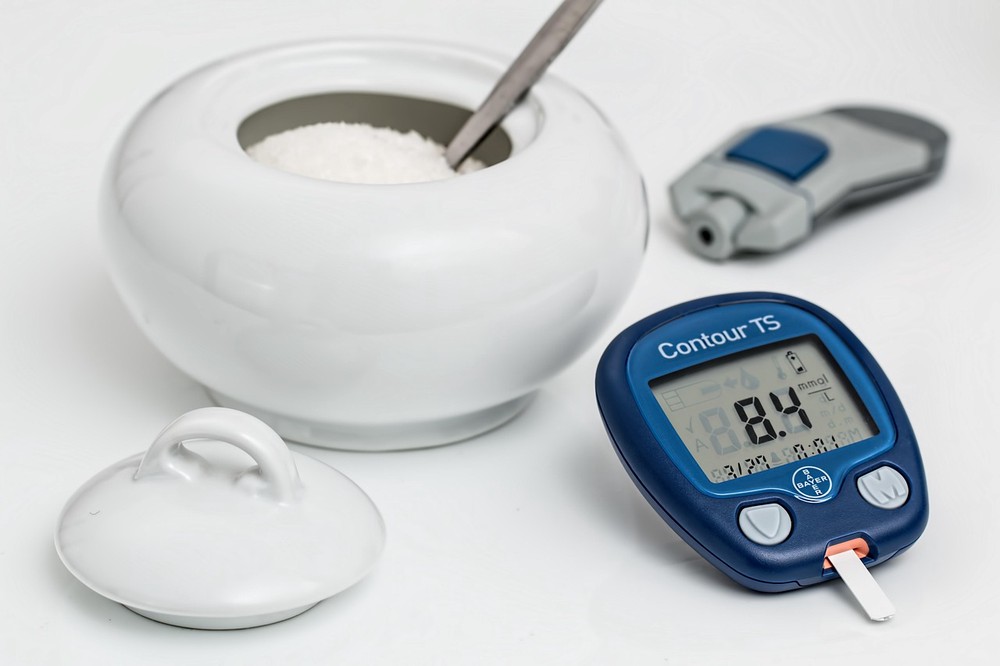
If you've been managing your weight and blood sugar for a while, you probably know the numbers matter. But long before a lab result comes back high, your body often sends quieter signals that trouble is brewing. Weight and blood sugar are closely linked—excess body fat, especially around the abdomen, can make cells less responsive to insulin, the hormone that ushers sugar out of your bloodstream and into your cells. When insulin resistance creeps up, glucose starts to linger in your blood.
The tricky part is that the early warning signs are easy to brush off. You might blame a bad night's sleep, a stressful week, or just getting older. But if you're carrying extra weight, certain day-to-day experiences can be your body's way of saying it's struggling to handle carbohydrates. Here are four concrete red flags that your weight may be affecting your blood sugar control—and what you can do about it.
1. You Feel Tired After Every Meal (Not Just Big Ones)
Post-meal fatigue is common, but it's not normal to feel like you need a nap after a moderate lunch every single day. When blood sugar spikes sharply after eating, your body releases a surge of insulin to bring it back down. That insulin rush can cause a rapid drop in blood sugar—a rebound effect that leaves you feeling drained, foggy, or even shaky within a couple of hours.
For people who have excess abdominal fat, this cycle is more pronounced. Insulin resistance means your pancreas has to work harder, pumping out more insulin to get the job done. The result? A deeper crash and more exhaustion. If you consistently feel wiped out after meals that contain carbohydrates—even healthy ones like whole grains, beans, or fruit—it's a sign your cells aren't responding to insulin as efficiently as they should.
Pay attention to when the fatigue hits. If it reliably lands 60 to 90 minutes after eating, your blood sugar roller coaster is likely the culprit.
2. You Notice Lingering Hunger or Carb Cravings
It sounds counterintuitive: you eat plenty, yet you still feel hungry. But unstable blood sugar can drive persistent hunger that doesn't get satisfied by normal meals. When glucose enters your cells in a disordered way, your brain doesn't always register that you've had enough to eat.
On top of that, repeated blood sugar spikes followed by dips trigger the release of hunger hormones like ghrelin. Your brain interprets that dip as an emergency—it wants more fuel, fast. And what does it crave? Simple carbohydrates, because they raise blood sugar quickly. If you find yourself reaching for bread, crackers, or sweets shortly after a balanced meal, it may not be a lack of willpower; it's a physiological signal that your insulin system is overworked.
This pattern can become a loop: excess weight drives insulin resistance, which causes unstable blood sugar, which triggers cravings, which leads to more calorie intake and more weight gain. Breaking the cycle often starts with stabilizing blood sugar so the cravings lose their urgency.
3. Your Belly Circumference Is Growing (Even If the Scale Isn't)
Total body weight matters, but where you carry fat matters more for blood sugar control. Visceral fat—the deep belly fat that wraps around your organs—releases inflammatory compounds and hormones that directly interfere with insulin function. You can have a normal body weight and still have too much visceral fat, but for most people, an expanding waistline is a visible clue that metabolic trouble is brewing.
A waist measurement above 35 inches for women or 40 inches for men is considered a risk factor for insulin resistance and type 2 diabetes. But even a gradual increase—say, your pants fitting tighter around the middle over the past six months—can signal that your body is becoming less efficient at handling glucose. It's not about appearance; it's about the biology of that specific fat depot.
4. You Feel Thirsty and Use the Bathroom More Frequently
Excessive thirst and frequent urination are hallmark symptoms of high blood sugar, but they often start subtly. When blood glucose rises above a certain threshold, your kidneys try to flush it out by pulling water from your tissues, which makes you urinate more often. In turn, that fluid loss triggers thirst.
Many people dismiss this as drinking too much coffee, the weather being hot, or just getting older. But if you find yourself waking up at night to urinate more than once, or if you're unusually thirsty despite not changing your activity level, it's worth paying attention. This is one of the earliest signs that blood sugar is elevated enough to spill into your urine. When combined with excess weight, it's a strong indicator that your body's glucose disposal system is under strain.
What You Can Do About It
These warning signs don't mean you're heading for a diabetes diagnosis with no way out. But they do mean it's time to take a closer look at your metabolic health. The encouraging news is that even modest weight loss—5 to 7 percent of your body weight—can significantly improve insulin sensitivity and blood sugar levels.
Start with a conversation with your healthcare provider. A simple blood test like a fasting glucose or hemoglobin A1c can show what your blood sugar has been doing over the past few months. Meanwhile, small adjustments to your daily routine can help stabilize glucose and reduce cravings:
- Eat protein and fiber at every meal. They slow digestion and prevent sharp blood sugar spikes. Aim for a source of lean protein (eggs, chicken, tofu, fish) and non-starchy vegetables at lunch and dinner.
- Move your body after eating. A short walk—even five to ten minutes—can help your muscles pull glucose out of your bloodstream without needing as much insulin.
- Prioritize sleep. Poor sleep increases cortisol, which raises blood sugar and promotes belly fat storage. Aim for seven to eight hours of quality rest.
- Stay hydrated with water. Sugary drinks are the fastest way to spike blood sugar. Replacing soda or sweetened coffee with water can make an immediate difference.
Recognizing these warning signs early gives you a real chance to reverse the trajectory. Your body isn't trying to trick you—it's trying to tell you something. Listening now can save you a lot of trouble later.