
You are doing the work. You show up, you lift, you grind. But something feels off. Maybe your energy crashes halfway through your set, or your stomach is staging a revolt by rep three. The culprit might not be your training program—it could be what you ate (or didn't eat) before you walked in the door.
Pre-workout nutrition is deeply personal. What fuels your training partner could leave you feeling heavy, bloated, or foggy. The goal is to provide steady energy without digestive distress or a blood sugar roller coaster. When your pre-workout meal or snack is working against you, your body sends clear signals. Here are four warning signs that your pre-workout nutrition is actually hurting your gym performance.
1. You feel nauseous or have stomach cramps mid-workout
If your stomach is churning halfway through your squat workout, your pre-workout meal is likely too large, too high in fat, or too close to your training time. Digestion requires blood flow, and so do your working muscles. When you ask your body to do both at once, something has to give—and it is usually digestion, leading to nausea, cramping, or that sloshing feeling.
Large meals take longer to leave the stomach, especially when they contain significant fat or protein. If you are eating a full meal, try giving yourself two to three hours to digest. For a smaller snack, aim for 30–60 minutes before training. Stick to easily digestible carbohydrates like a banana, rice cakes, or a small piece of toast with jam. Save the high-fat and high-fiber foods for after your workout.
2. Your energy crashes halfway through the session
You start strong, but by the time you hit your third exercise, you feel like you are moving through mud. This is often a sign of reactive hypoglycemia—a rapid spike and crash in blood sugar. This can happen when your pre-workout meal is too high in simple sugars without any protein, fat, or fiber to slow down absorption.
Think of a large glass of fruit juice, a sugary energy drink, or a handful of candy right before training. You get a quick burst, but insulin responds aggressively, and your blood sugar plummets. The result is fatigue, dizziness, and loss of focus. Instead, pair a carbohydrate source with a small amount of protein. For example, half a banana with a tablespoon of peanut butter, or a small apple with a few almonds. This provides a more gradual release of energy that lasts the duration of your workout.
3. You feel unusually weak or lightheaded during your lifts
On the other end of the spectrum, training on an empty stomach or after a very small meal can leave you weak and lightheaded. Your muscles need glucose for high-intensity effort. If you have not eaten for several hours, glycogen stores may be insufficient, especially for strength training or heavy compound lifts.
Some people train fasted and feel fine, but if you notice that your grip gives out early, your legs feel heavy, or you feel faint during standing presses, you likely need more fuel. A small carbohydrate-based snack before training can make a real difference. Even 100–200 calories from a piece of fruit or a sports drink can help maintain blood glucose levels and prevent that washed-out feeling.
4. You feel bloated, gassy, or sluggish from your pre-workout shake or bar
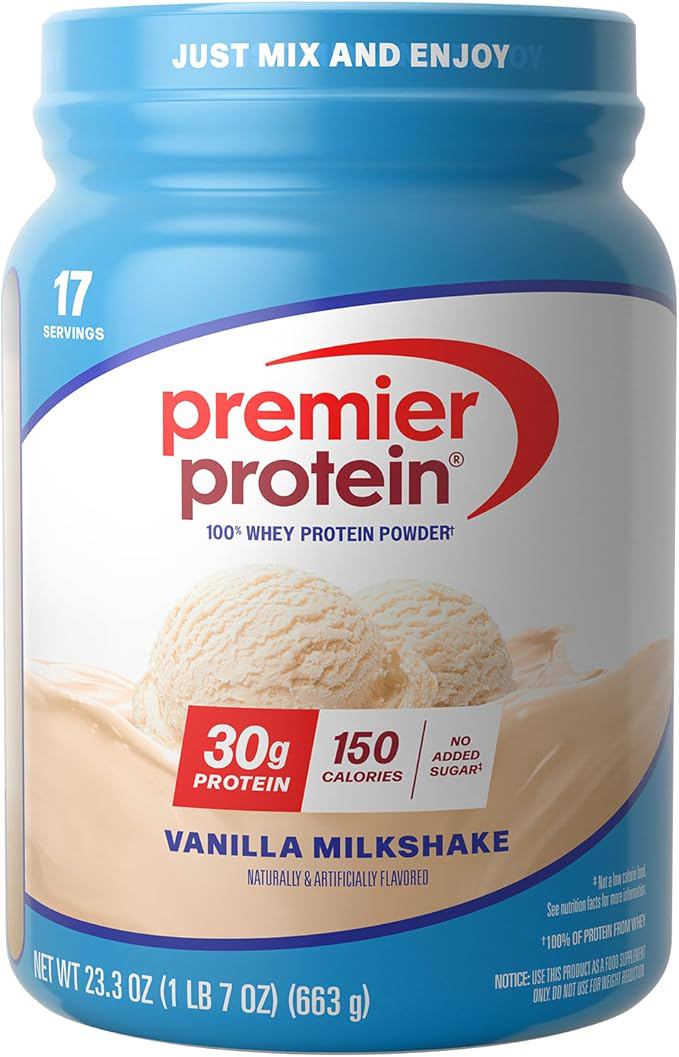
Many people reach for a protein shake or a processed energy bar before training because it seems convenient and healthy. But many commercial bars and shakes contain sugar alcohols, gums, inulin, or high amounts of fiber and artificial sweeteners. For sensitive stomachs, these ingredients can cause bloating, gas, and a heavy sensation that does not go away when you start moving.
If you notice this pattern, try switching to whole foods for a week. A smoothie with real fruit and a scoop of protein powder may work better than a packaged bar, or a simple bowl of oatmeal with a few berries might sit lighter. Pay attention to how your body responds to different ingredients. Not all “healthy” products agree with everyone, especially under the stress of exercise.
A practical tip: Keep a simple food-and-feeling log for a week. Write down what you eat before training, how you feel during the workout, and how you perform. Patterns will emerge quickly, and you can adjust from there.
Your pre-workout nutrition should support your performance, not sabotage it. The right timing, portion size, and food choices can turn a sluggish session into a strong one. If any of these signs sound familiar, experiment with small changes—adjust the timing, reduce the portion, or swap a processed bar for a piece of fruit. Your body will tell you what works.