Dealing with stubborn dark spots that refuse to fade, even after you've tried serums and at-home peels, can be frustrating. Hyperpigmentation—whether from sun damage, acne scarring, or hormonal shifts like melasma—often requires more than a single over-the-counter product. While consistency with sunscreen is critical, many people need additional help to see real, lasting change. Dermatologists typically turn to a short list of treatments that have proven effectiveness for persistent pigment. Here are four expert-recommended approaches worth discussing with a board-certified dermatologist.
Why Some Hyperpigmentation Is So Stubborn
Persistent pigmentation usually means the melanin has deposited deeper in the skin or that the melanocytes have been triggered repeatedly over time. Sun exposure remains the strongest external driver, but hormones and inflammation keep the cycle going. That's why topical lighteners alone often aren't enough. Once melanin is embedded in the dermis, or when multiple layers of pigment exist, you need treatments that reach below the skin's surface and actually break up the accumulated melanin.
1. Laser and Light-Based Therapies
Lasers are one of the most powerful tools for stubborn dark spots. They work by delivering precise wavelengths of light that are absorbed by melanin, causing the pigmented cells to fragment and then be removed by the body's natural healing processes. For persistent hyperpigmentation, dermatologists often choose:
- Fractional lasers (non-ablative and ablative) create tiny columns of injury in the skin, which triggers collagen remodeling and pushes pigment out as the skin resurfaces. This approach is effective for deeper melasma and post-inflammatory marks that sit in multiple skin layers.
- Quality-switched (Q-switched) lasers (like Nd:YAG or ruby) deliver ultra-short pulses that shatter melanin. They are considered the gold standard for specific types of pigment, including some tattoo removal, but also for flat brown spots and freckles.
- Intense pulsed light (IPL) is not a laser but a broad-spectrum light. It works best for superficial sunspots and redness. It's not recommended for melasma because the heat can sometimes worsen it.
A key caution: laser treatments for pigmentation must be performed by an experienced professional, as the wrong settings or wavelengths can actually create more pigmentation, especially in darker skin tones. A test spot is standard protocol. Expect multiple sessions—often 3 to 6—with results becoming visible after each treatment.
2. Prescription-Only Topical Combination Creams
For many derms, the first step in treating persistent pigment is still a well-formulated prescription cream. The difference between these and over-the-counter brightening serums is significant. Prescription-strength formulas often combine multiple active ingredients that target pigment at different stages of production.
The most studied combination is often called Triple Cream or Kligman's formula, which typically includes hydroquinone (a melanin-suppressing agent), tretinoin (a retinoid that speeds up cell turnover), and a mild corticosteroid (to reduce inflammation and irritation). This trio works together to lighten existing spots and prevent new ones. Other prescription options may contain azelaic acid (a gentle but effective tyrosinase inhibitor) or kojic acid in higher concentrations than what's available in drugstore products.
These creams are not a long-term solution for everyone—hydroquinone, for instance, should be used in cycles to avoid side effects like ochronosis. But for persistent melasma or stubborn post-inflammatory hyperpigmentation, they often bring visible lightening within 8 to 12 weeks.
3. Chemical Peels (Medium to Deep Depth)
When pigmentation is thick or deeply layered, a chemical peel can resurface the skin and strip away damaged cells. The best peels for hyperpigmentation go beyond the superficial layer (the stratum corneum) and penetrate into the upper dermis. Typical options include:
- Glycolic acid peels (30-70% concentration) are effective for superficial and some moderate pigmentation. They exfoliate the surface and stimulate collagen.
- TCA (trichloroacetic acid) peels (20-35%) are more aggressive and can reach deeper pigment deposits. They are often used for sunspots and melasma that hasn't responded to other treatments.
- Salicylic acid peels are particularly helpful when pigmentation is accompanied by acne. They are anti-inflammatory and can fade marks left by breakouts.
A professional peel is a medical procedure. Recovery time varies from a few days of flaking (with lighter peels) to a full week of deeper peeling (with TCA). Sun protection in the weeks post-peel is non-negotiable—the fresh skin underneath is extremely vulnerable to UV damage, which could actually darken the spots again.
4. Topical Retinoids and Tyrosinase Inhibitors (Medical-Grade Home Care)
Between in-office procedures, or for those not ready for lasers or peels, medical-grade skincare can maintain and improve results. The key active categories recommended by dermatologists for persistent pigmentation are:
- Retinoids (tretinoin, adapalene, or retinaldehyde) accelerate cell turnover. They push pigmented cells out faster and help other brightening agents penetrate deeper. They are not spot treatments—they should be applied to the entire area.
- Tyrosinase inhibitors block the enzyme that triggers melanin production. Common medical-grade ingredients include tranexamic acid (effective for melasma), 4-n-butylresorcinol, cysteamine, and licorice root extract in stabilized, high-concentration formulas. These are often prescribed in a custom-blended serum.
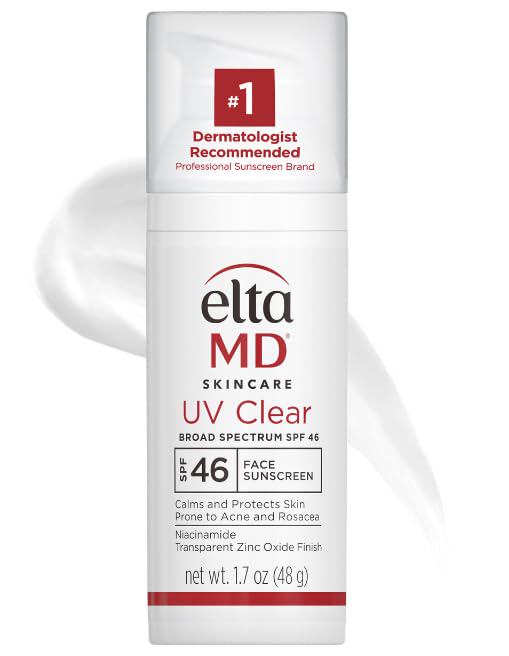
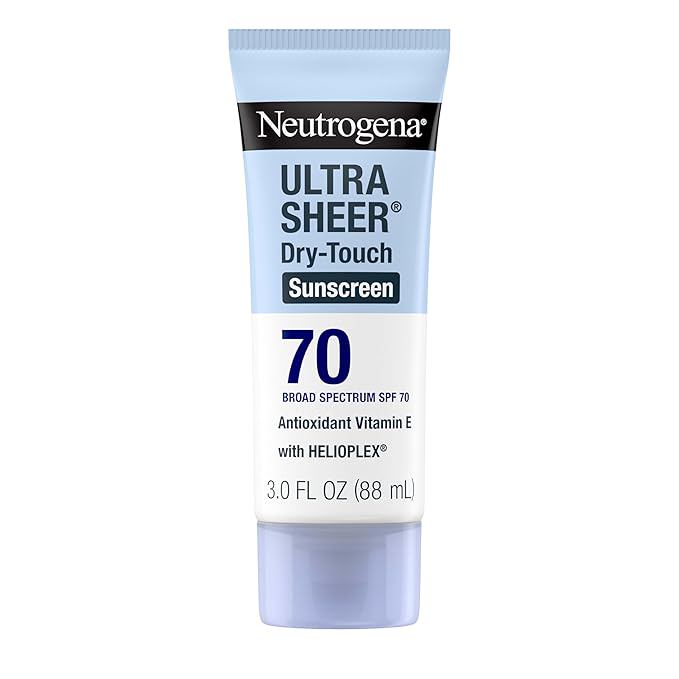
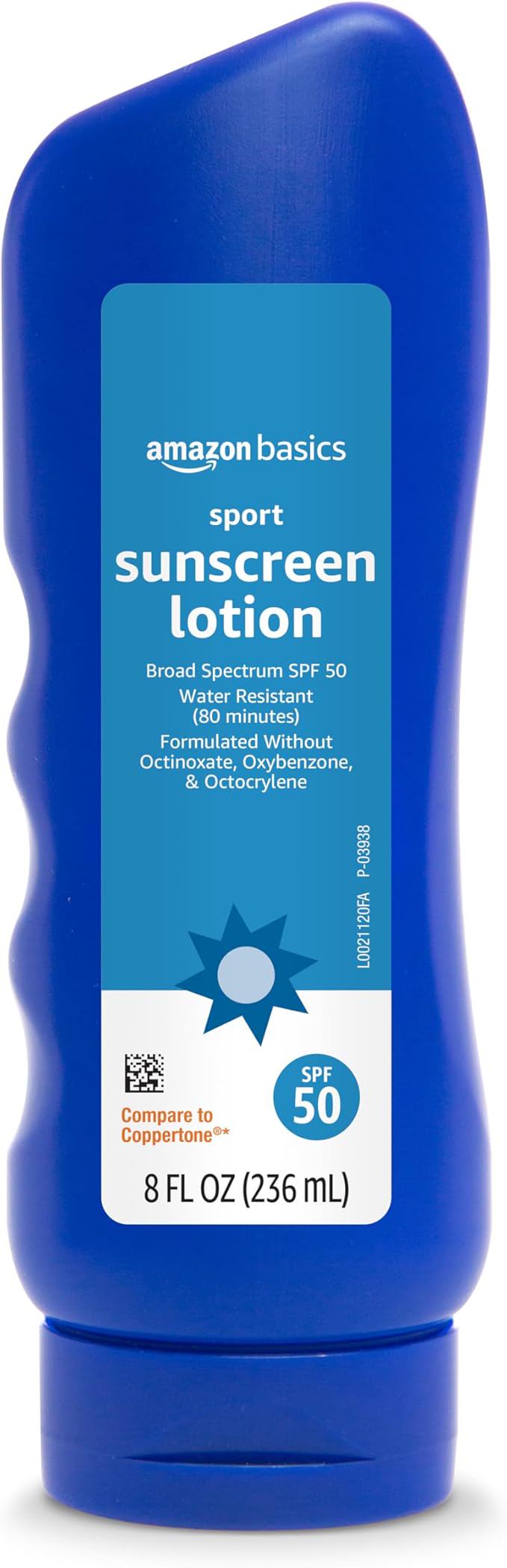
Sunscreen is not optional. Without daily broad-spectrum SPF 30 or higher, the results from any of these treatments will fade within weeks.
It is also worth noting that persistent hyperpigmentation is often a chronic condition (like melasma) that requires maintenance. Even after clearing, you may need a low-dose retinoid or a pigment inhibitor a few times a week to keep spots from returning. Patience is essential—most treatments require consistent use for at least three months before you judge their efficacy.
Before starting any new regimen or procedure, always consult a board-certified dermatologist. They can assess your skin type, identify the specific cause of the pigment (sun, hormone, inflammation), and tailor a treatment plan that is safe and realistic for you. Persistent hyperpigmentation can be treated, but it rarely disappears overnight.