
After a breakout heals, what’s left behind can be confusing. Is that flat, brownish patch a permanent scar—or just a dark mark that will fade on its own? It’s a common question, and the answer matters for how you treat it. The two conditions look similar, but they’re fundamentally different in cause, appearance, and what actually helps them improve.
Acne scars are textural changes in the skin, usually pits or raised areas. Post-inflammatory hyperpigmentation (PIH)—those dark marks—is a surface discoloration without any change in texture. Here are four specific signs to look for, so you can tell the difference at a glance.
1. Run your finger over the spot
The most reliable test is the touch test. Close your eyes and lightly glide the pad of your finger over the area. If the skin feels completely smooth—no dip, no ridge, no bump—you’re most likely dealing with a dark mark (PIH). If you feel a subtle depression (like a small dent) or a raised cord of tissue, that’s a true scar (atrophic or hypertrophic).
Quick check: PIH is always flat. A scar always has a textural component, even if it’s very subtle.
2. Note the color and its edges
Dark marks have a uniform, soft color—usually tan, brown, or reddish-brown—and their edges blur softly into your natural skin tone. Think of it like a faint coffee stain on a cloth. Acne scars, especially atrophic ones like rolling or boxcar scars, often have a sharper, more defined edge where the texture changes. The color may also be uneven: sometimes a scar is surrounded by a reddish halo (from inflammatory capillaries) while the center itself is close to your normal skin color.
- PIH: Flat, even brown/tan, fuzzy borders.
- Scar: Textured, possible red halo plus normal skin in the center, sharper edges.
3. Watch how it behaves over time
This is your strongest clue. PIH fades gradually. With sun protection and time (and sometimes gentle skin care), you’ll notice the mark getting lighter week by week. It may take months, but it will change. Acne scars do not fade. A true scar is permanent unless treated with professional procedures (microneedling, laser, fillers). If you look back at a photograph from four months ago and the mark looks identical in size, color, and texture—it’s almost certainly a scar.
4. Check for an “ice pick” or narrow appearance
Some scars have very specific shapes. An ice-pick scar looks like a small, narrow, deep pit—as if a needle had been pressed into the skin. A rolling scar gives the skin a wave-like, wobbly texture in indirect light. Dark marks never have these kinds of contours. If the spot looks like a small crater, or if it changes the way light hits your skin (making a shadow), you’re looking at a scar, not a mark.
Why it matters: treatment is completely different
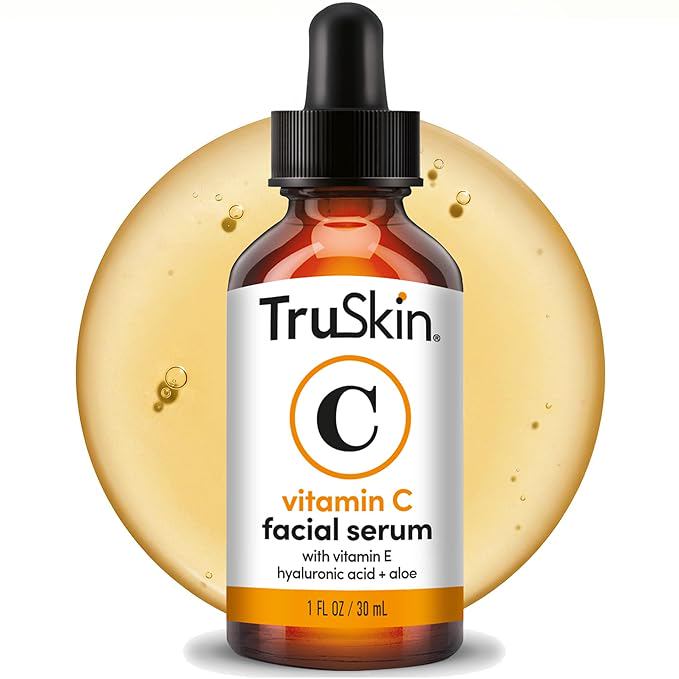
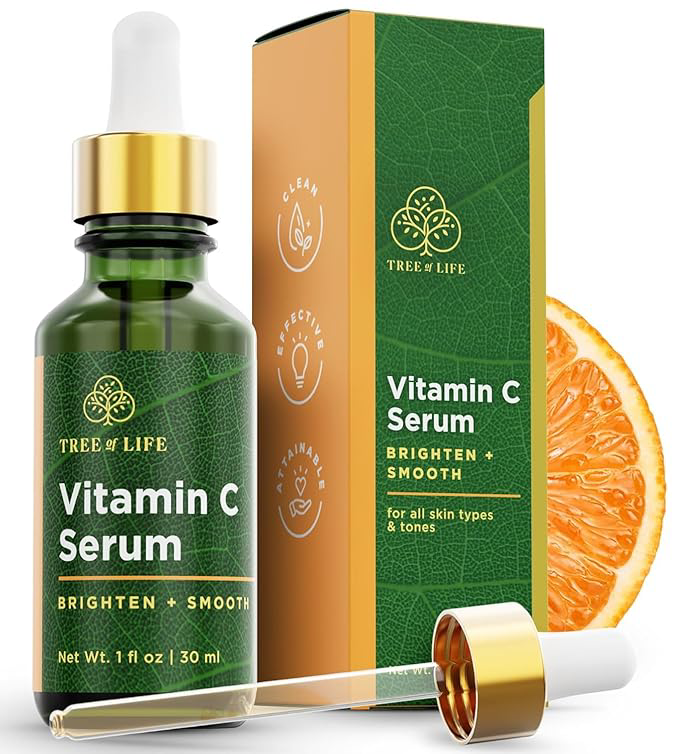
Mistaking a dark mark for a scar—or the other way around—can lead to wasted time, money, and frustration. Applying a fading serum (like vitamin C or azelaic acid) to a true scar won’t change the texture. And treating a dark mark with aggressive microneedling or chemical peels isn’t necessary and could cause more irritation. If you’ve confirmed you have flat PIH, gentle brightening ingredients and strict sun avoidance are your best path. For scars, you’ll need to talk to a dermatologist about in-office options.
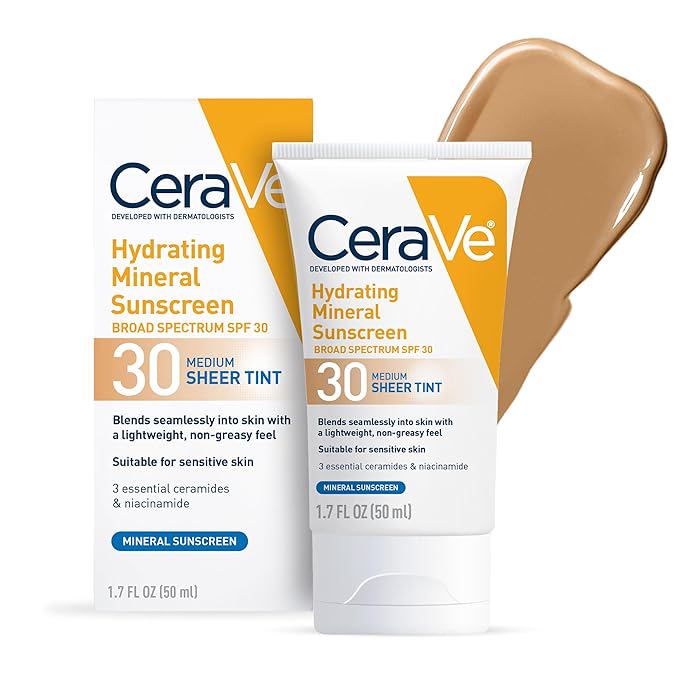
One shared rule for both: Daily broad-spectrum sunscreen (SPF 30+) is non-negotiable. UV exposure darkens PIH and makes scars look more inflamed.
When to see a professional
If you can’t tell after the touch test and a few weeks of observation, a dermatologist can evaluate with a handheld device called a dermatoscope. They can also distinguish PIH from melasma or other pigment issues. If the spot is irregularly shaped, multicolored, or changing rapidly—have it checked promptly to rule out anything more serious.