
Skin elasticity doesn’t vanish overnight. But small, repeated habits can gradually wear down the collagen and elastin that keep skin firm and bouncy. The good news? Once you know what these routine pitfalls are, you can make simple shifts to protect your skin’s structure for the long haul.
Here are four everyday mistakes that may quietly weaken skin elasticity over time—and what to do instead.
1. Skimping on Sun Protection Every Day
You probably know that too much sun can lead to wrinkles, but it’s the daily, incidental exposure that does the most damage to skin elasticity. UV rays break down collagen fibers and trigger abnormal elastin production, which leads to sagging and a leathery texture over time. The fix isn’t complicated: a broad-spectrum sunscreen of at least SPF 30 should be a non-negotiable part of your morning routine—even in winter or when you’re indoors near windows.
Think of sunscreen as your skin’s daily insurance policy against elasticity loss.
2. Over-Cleansing or Using Harsh Washes
Cleansing is essential, but doing it too often or choosing a cleanser that strips your skin’s natural oils can backfire. When the skin barrier is compromised, it loses moisture and becomes less resilient. Over time, this chronic dehydration can make fine lines more visible and reduce suppleness. Stick to a gentle, non-stripping cleanser (look for words like “hydrating” or “cream-based”) and limit washing to twice a day—once if your skin is dry.
3. Relying on a Sparse, One-Note Diet
Collagen production depends on a steady supply of nutrients—especially vitamin C, amino acids, and zinc. A diet that’s heavy on processed foods and low in colorful fruits, vegetables, and lean protein can starve your skin of what it needs to repair and rebuild. Over months and years, a nutrient-poor diet may show up as loss of firmness and elasticity.
- Vitamin C: found in citrus, bell peppers, strawberries, and broccoli
- Amino acids (for collagen): found in bone broth, chicken, fish, eggs, and beans
- Zinc: found in nuts, seeds, shellfish, and whole grains
4. Inconsistent Moisturizing and Sleeping on Your Side
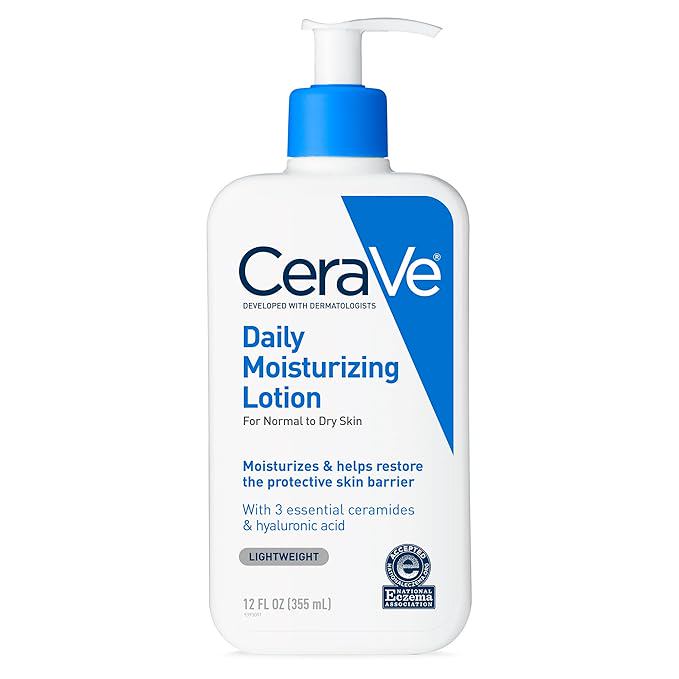
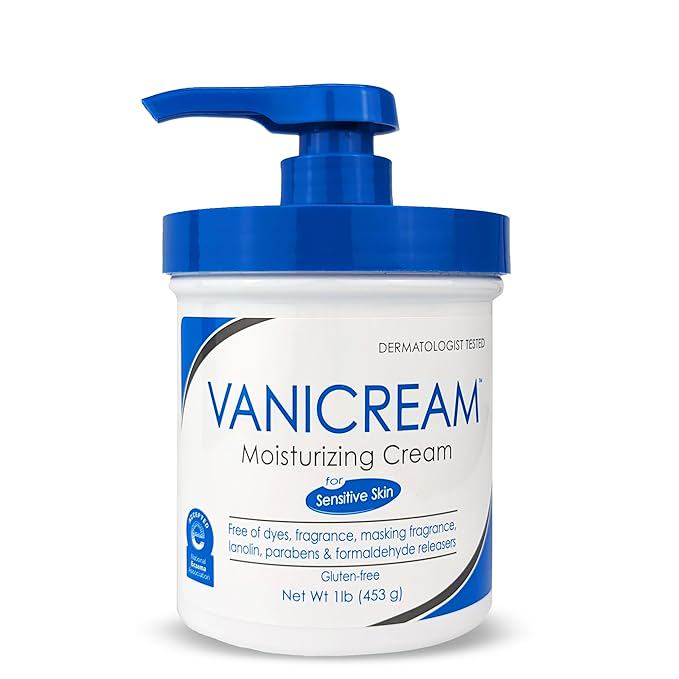
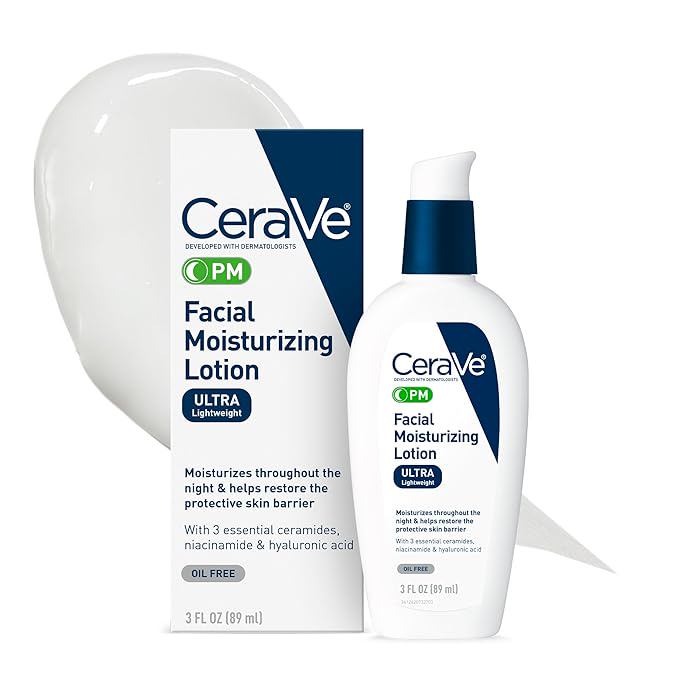
Dry skin is less pliable and more prone to creasing. When you skip moisturizer—or use one that’s too light for your skin type—you’re giving elasticity one less layer of support. And there’s a subtle mechanical factor: sleeping on your side or stomach night after night can create “sleep lines” that eventually etch into the skin as permanent wrinkles. Switching to a silk or satin pillowcase and sleeping on your back can reduce that pressure.
None of these adjustments require a complete lifestyle overhaul. Start with one change—like upgrading your cleanser or adding a vitamin C–rich fruit to breakfast—and build from there. Your skin will thank you, not just tomorrow but years from now.